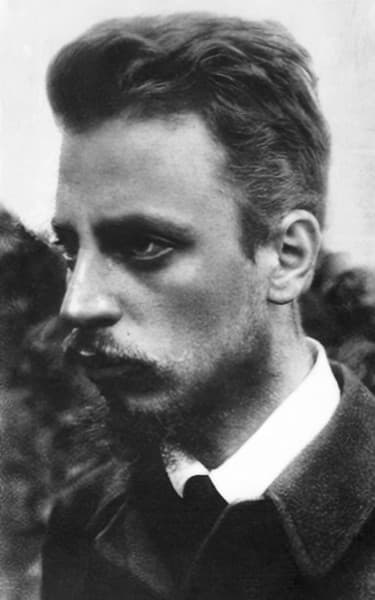
Rainer Maria Rilke
Rainer Maria Rilke was an Austrian poet and novelist, recognized as one of the most significant figures in German literature. His work is characterized by its idiosyncratic style and deep exploration of mysticism, subjective experience, and existential themes. Rilke's extensive travels across Europe culminated in a settled life in Switzerland, where the landscapes and culture profoundly influenced his poetry. He wrote in both German and French, showcasing his versatility as a writer. Among his most notable works are the poignant poetry collections 'Duino Elegies' and 'Sonnets to Orpheus,' as well as the semi-autobiographical novel 'The Notebooks of Malte Laurids Brigge' and the posthumously published 'Letters to a Young Poet,' which has inspired countless readers and writers alike. Rilke's literary significance extends beyond his immediate contemporaries, as his work has been embraced by later generations, finding new audiences through self-help literature and popular media. His ability to articulate the complexities of human emotion and existence has cemented his legacy as a profound thinker and poet. Rilke's exploration of the inner self and the nature of creativity continues to resonate, making him a pivotal figure in the landscape of modern poetry.
Famous Quotes
View all 3 quotes“Perhaps all the dragons in our lives are princesses who are only waiting to see us act, just once, with beauty and courage. Perhaps everything that frightens us is, in its deepest essence, something helpless that wants our love.”
“Be patient toward all that is unsolved in your heart and try to love the questions themselves, like locked rooms and like books that are now written in a very foreign tongue. Do not now seek the answers, which cannot be given you because you would not be able to live them. And the point is, to live everything. Live the questions now. Perhaps you will then gradually, without noticing it, live along some distant day into the answer.”
“Let everything happen to you Beauty and terror Just keep going No feeling is final”
Books from the author
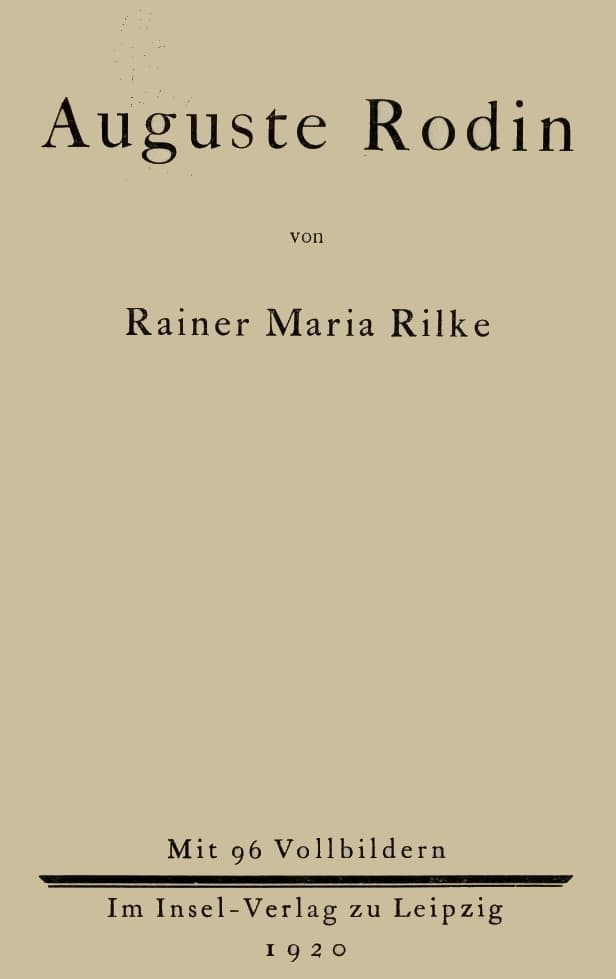
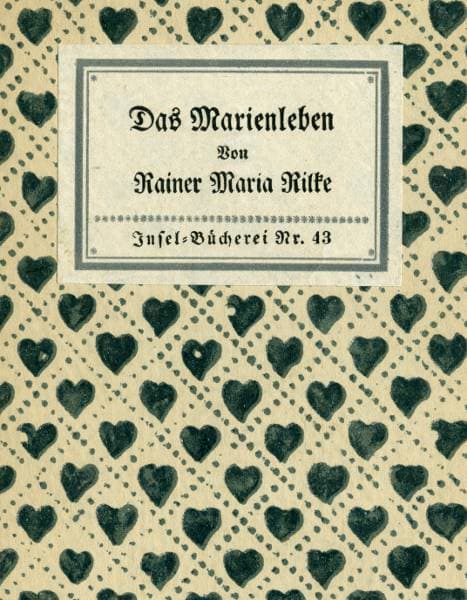
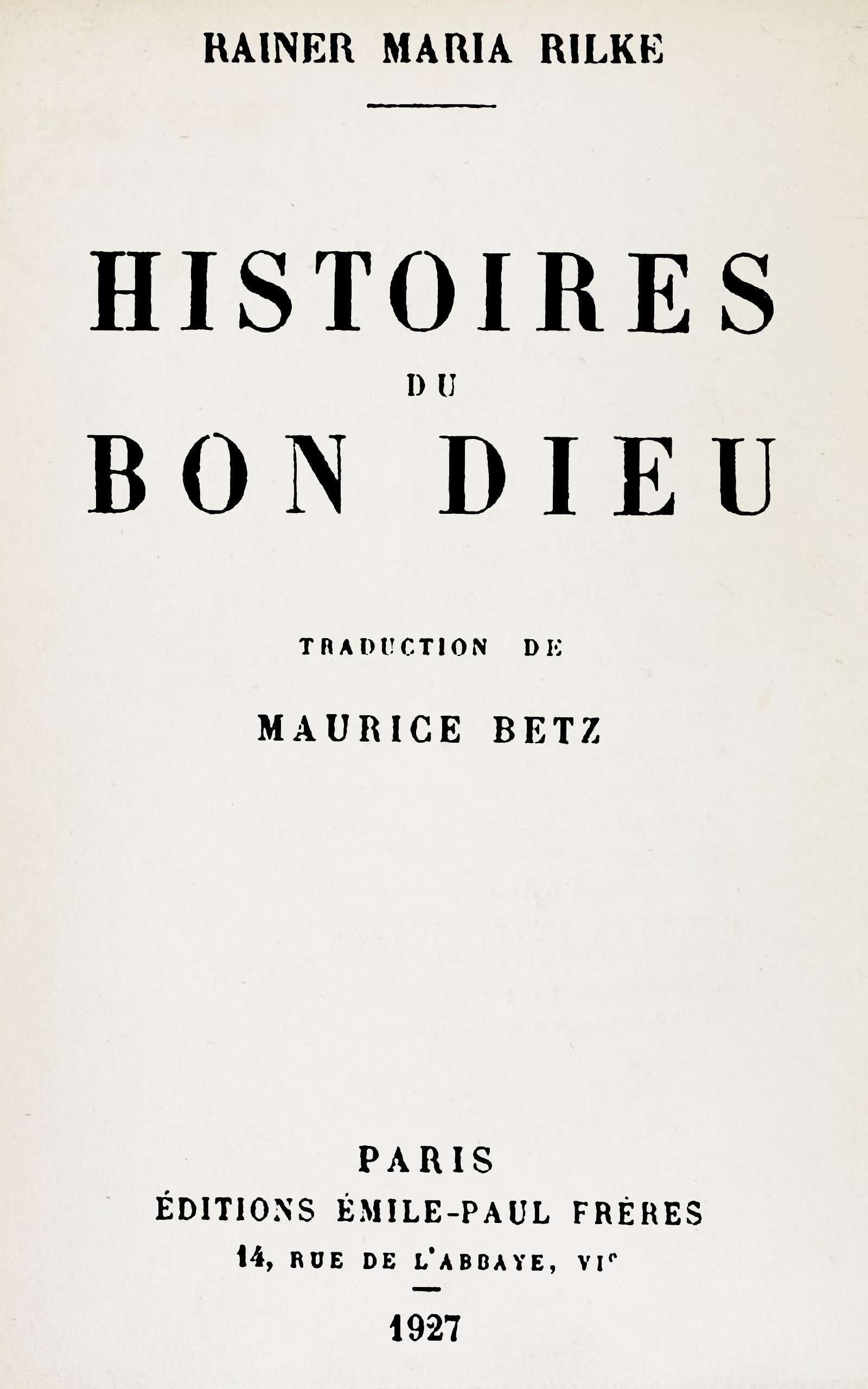



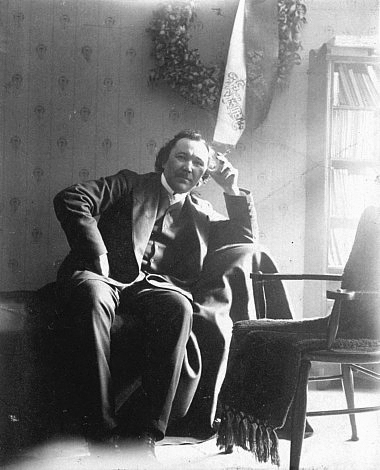
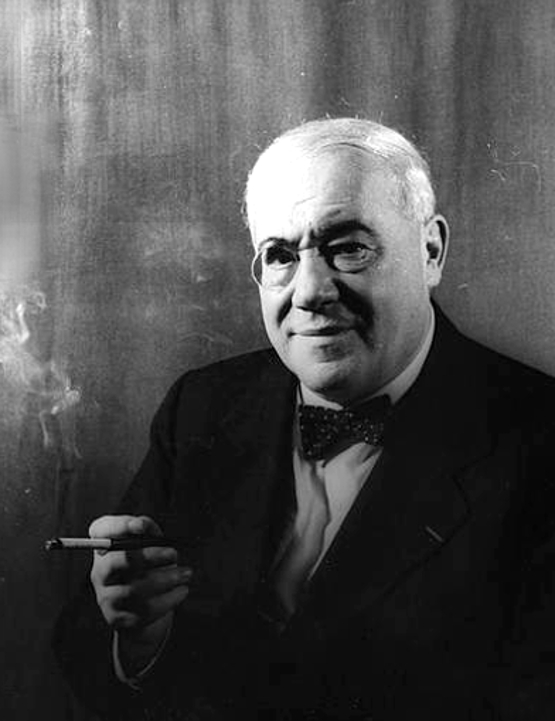

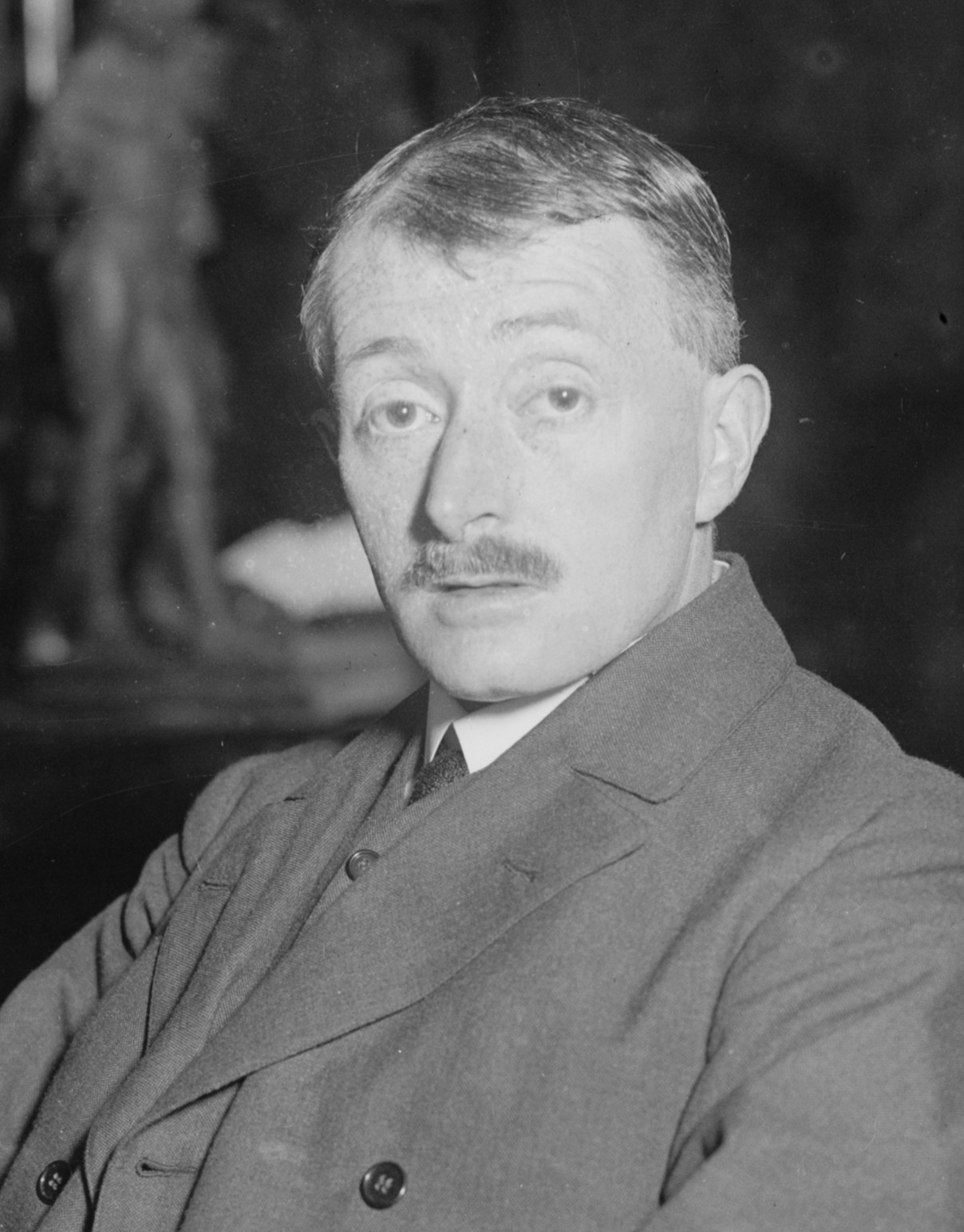

Link to this page
Add a free, dofollow link to Lex on your blog, forum, syllabus, or reading list.

<a href="https://lex-books.com/author/rainer-maria-rilke"><img src="https://lex-books.com/badges/read-on-lex.svg" alt="Rainer Maria Rilke on Lex" width="160" height="40"></a>[](https://lex-books.com/author/rainer-maria-rilke)[url=https://lex-books.com/author/rainer-maria-rilke][img]https://lex-books.com/badges/read-on-lex.svg[/img][/url]Rainer Maria Rilke on Lex: https://lex-books.com/author/rainer-maria-rilke