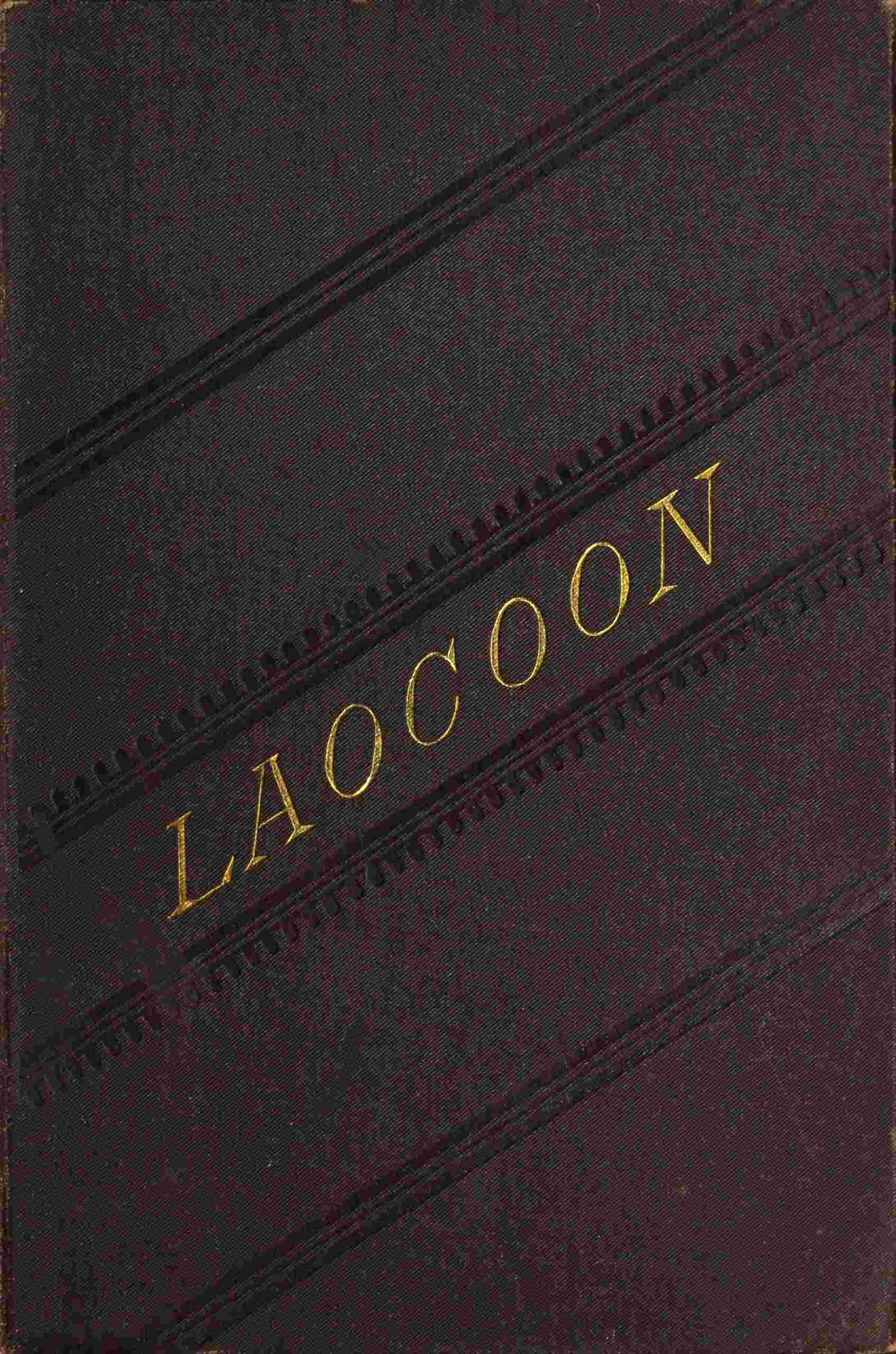
Laocoon: An Essay Upon the Limits of Painting and Poetry. with Remarks Illustrative of Various Points in the History of Ancient Art.
1766
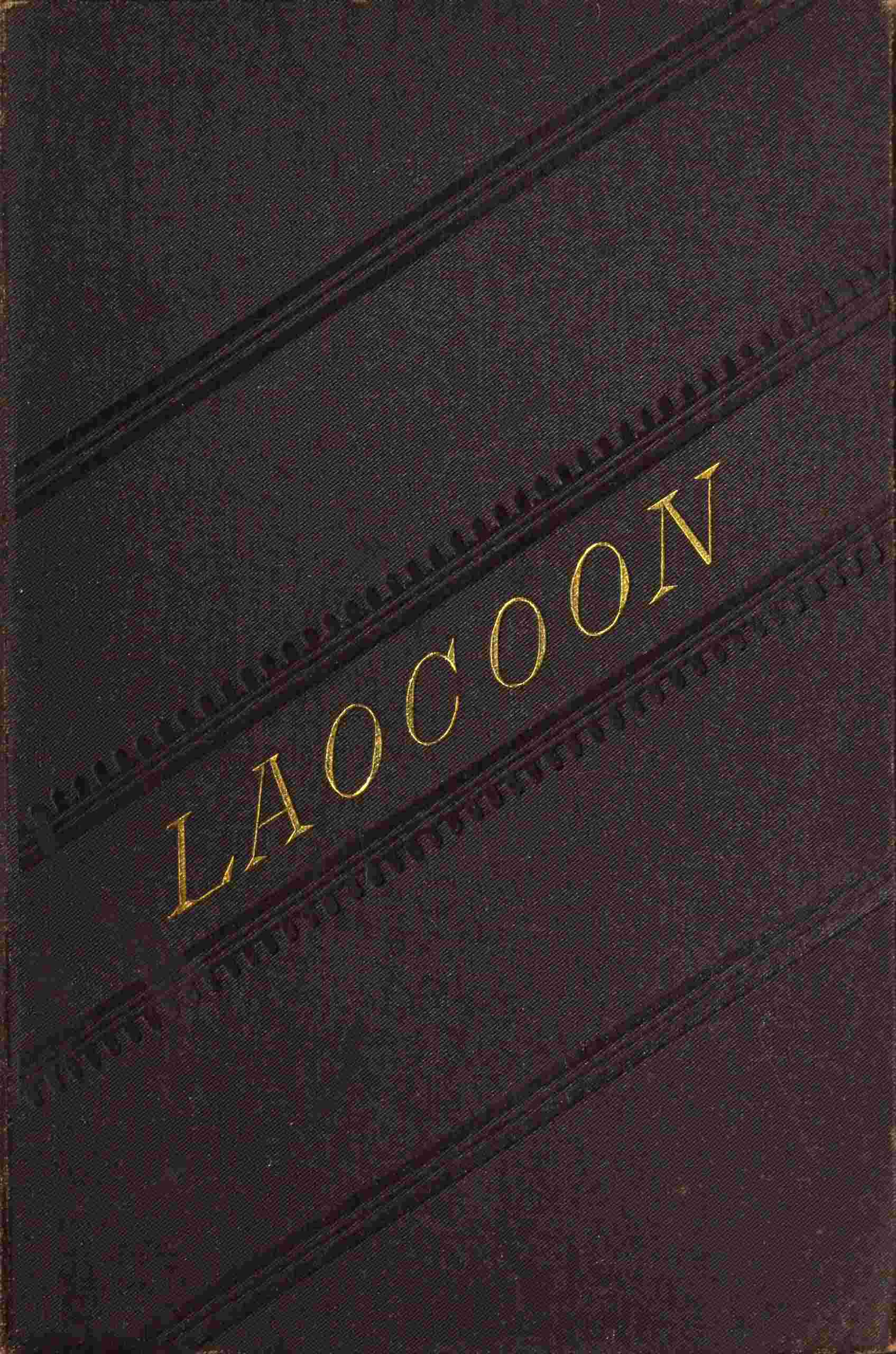
Laocoon: An Essay Upon the Limits of Painting and Poetry. with Remarks Illustrative of Various Points in the History of Ancient Art.
1766
Translated by Ellen Frothingham
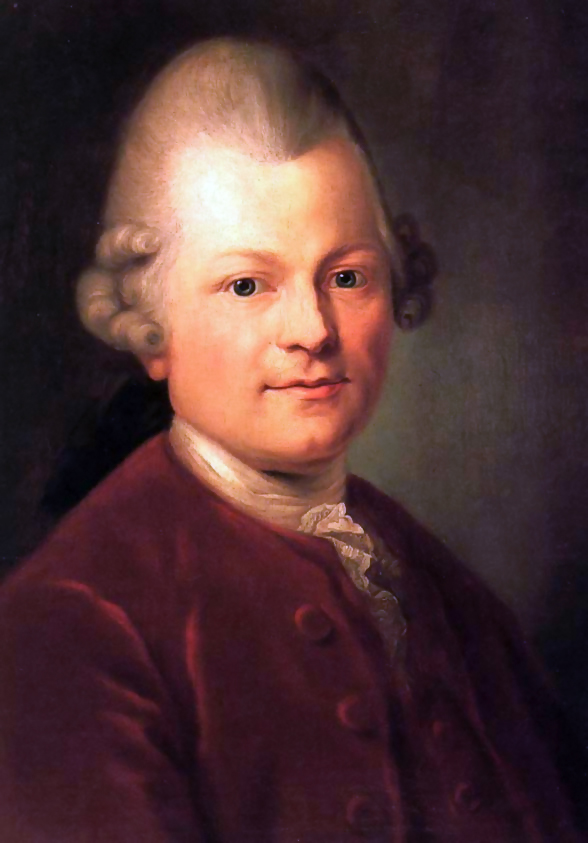
In 1766, a German playwright and critic sat before the ancient marble sculpture of Laocoön, a Trojan priest and his two sons being crushed by sea serpents sent by the gods, and asked a question that would reshape how we think about art forever: why does this marble show only dignified anguish, while the same story in Virgil's Aeneid screams in raw, unfiltered torment? That question became this book, the first extended argument in modern times for the radical idea that painting and poetry are not rivals but fundamentally different creatures, each with its own laws, limits, and possibilities. Lessing argues that visual art must preserve beauty even in the midst of suffering because it presents a single frozen moment to the eye, while poetry unfolds through time, able to prepare us for and follow after the ugly and the terrible. This insight, seemingly simple, revolutionized aesthetics: Lessing invented the modern concept of the artistic medium, establishing that each form, painting, sculpture, poetry, drama, must be understood on its own terms. Two and a half centuries later, Laocoön remains essential reading for anyone who wants to understand why modernist art took the forms it did, and why the boundaries between media still matter.
Editions
X-Ray
“Dasjenige aber nur allein ist fruchtbar, was der Einbildungskraft freies Spiel läßt. Je mehr wir sehen, desto mehr müssen wir hinzu denken können.””
— Gotthold Ephraim Lessing
Link to this book
Add a free, dofollow link to Lex on your blog, forum, syllabus, or reading list.

<a href="https://lex-books.com/book/laocoon-an-essay-upon-the-limits-of-painting-and-poetry-with-remarks-illustrativ-fabe6166-86f3-44e7-ae5f-7fb65d432df9"><img src="https://lex-books.com/badges/read-on-lex.svg" alt="Read Laocoon: An Essay Upon the Limits of Painting and Poetry. with Remarks Illustrative of Various Points in the History of Ancient Art. by Gotthold Ephraim Lessing free on Lex" width="160" height="40"></a>[](https://lex-books.com/book/laocoon-an-essay-upon-the-limits-of-painting-and-poetry-with-remarks-illustrativ-fabe6166-86f3-44e7-ae5f-7fb65d432df9)[url=https://lex-books.com/book/laocoon-an-essay-upon-the-limits-of-painting-and-poetry-with-remarks-illustrativ-fabe6166-86f3-44e7-ae5f-7fb65d432df9][img]https://lex-books.com/badges/read-on-lex.svg[/img][/url]Read Laocoon: An Essay Upon the Limits of Painting and Poetry. with Remarks Illustrative of Various Points in the History of Ancient Art. by Gotthold Ephraim Lessing free on Lex: https://lex-books.com/book/laocoon-an-essay-upon-the-limits-of-painting-and-poetry-with-remarks-illustrativ-fabe6166-86f3-44e7-ae5f-7fb65d432df9Cite this book
Reading this edition for a paper or guide? Copy a citation.
Lessing, Gotthold Ephraim. Laocoon: An Essay Upon the Limits of Painting and Poetry. with Remarks Illustrative of Various Points in the History of Ancient Art.. Lex, lex-books.com/book/laocoon-an-essay-upon-the-limits-of-painting-and-poetry-with-remarks-illustrativ-fabe6166-86f3-44e7-ae5f-7fb65d432df9.Lessing, G. E. (1766). Laocoon: An Essay Upon the Limits of Painting and Poetry. with Remarks Illustrative of Various Points in the History of Ancient Art.. Lex. https://lex-books.com/book/laocoon-an-essay-upon-the-limits-of-painting-and-poetry-with-remarks-illustrativ-fabe6166-86f3-44e7-ae5f-7fb65d432df9Lessing, Gotthold Ephraim. Laocoon: An Essay Upon the Limits of Painting and Poetry. with Remarks Illustrative of Various Points in the History of Ancient Art.. Lex. https://lex-books.com/book/laocoon-an-essay-upon-the-limits-of-painting-and-poetry-with-remarks-illustrativ-fabe6166-86f3-44e7-ae5f-7fb65d432df9.