
George Wither
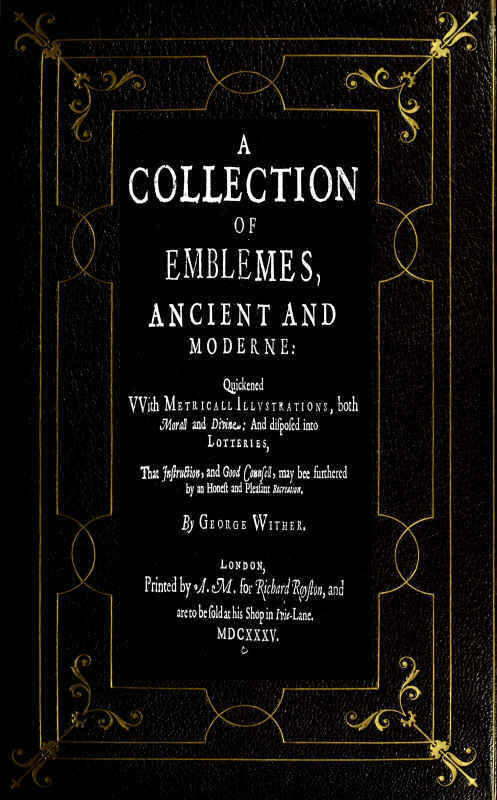
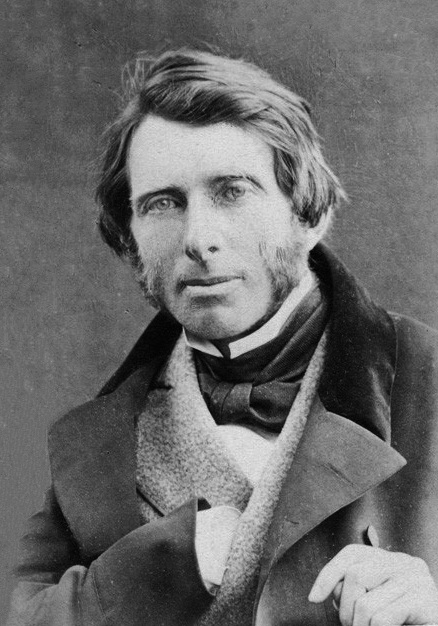
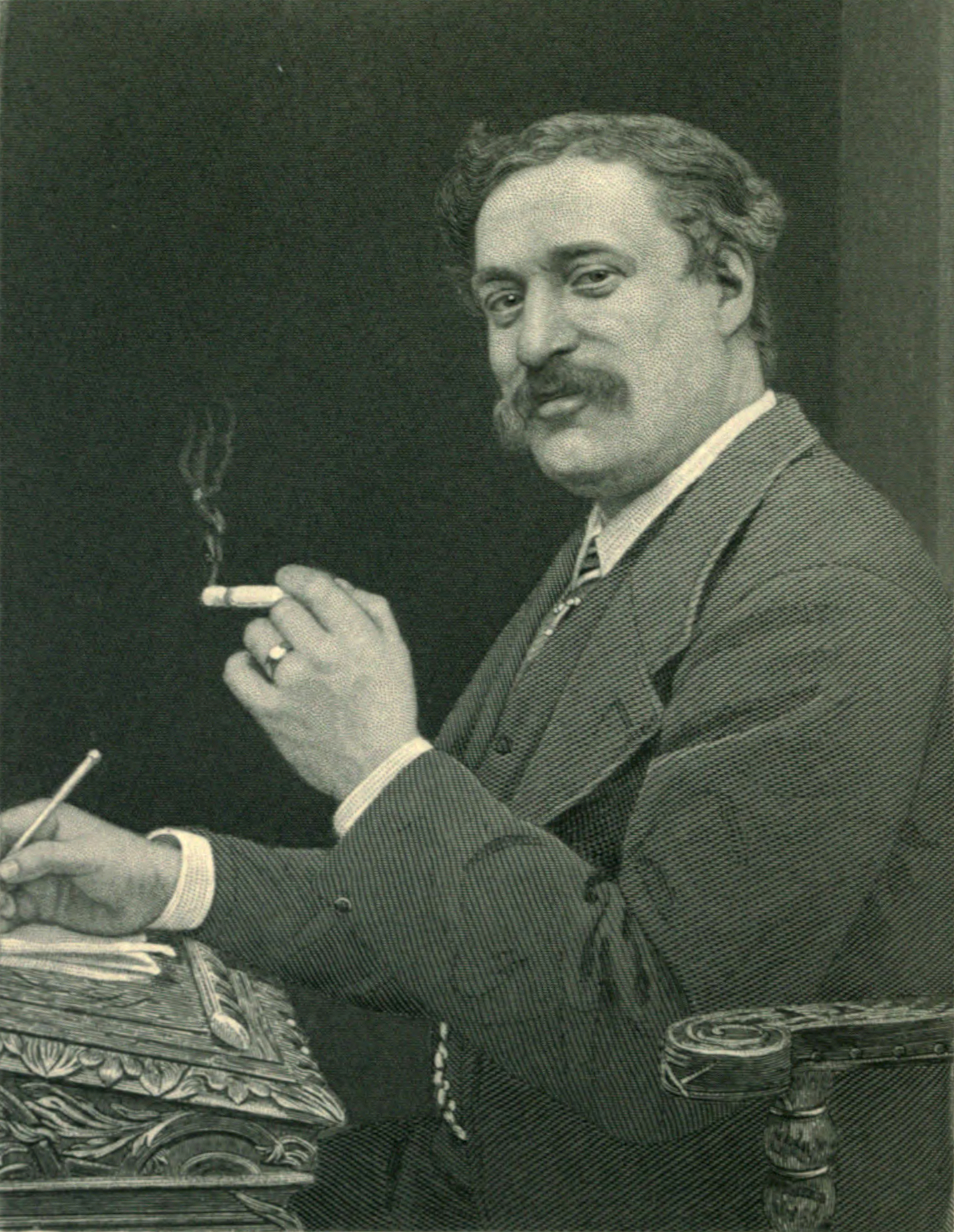
George Wither was a prolific English poet, pamphleteer, and satirist whose work spanned a transformative era in English history. Born in 1588, Wither lived through the reigns of Elizabeth I, James I, and Charles I, witnessing the English Civil War and the subsequent Restoration. His literary output included a diverse range of genres, from poetry to hymns, reflecting the political and social upheavals of his time. Notable works such as 'Abuses Stript and Whipt' and 'The Shepherd's Hunting' showcased his sharp wit and keen observations of contemporary society, often critiquing corruption and advocating for moral integrity. Wither’s significance lies not only in his literary contributions but also in his role as a voice of dissent during a period of great turmoil. His satirical style and commitment to social commentary made him a notable figure among the poets of his time. His hymns, particularly 'The Lord's Prayer,' have been recognized for their spiritual depth and lyrical quality. Wither's legacy endures as a testament to the power of poetry as a tool for social critique and reflection during one of England's most challenging epochs.
Famous Quotes
View all 2 quotes“Without the door let sorrow lie, And if for cold it hap to die, We'll bury 't in a Christmas pie, And evermore be merry.”
“Yea, now I see, methinks what weak and vain Supporters I have sought, to help sustain My fainting heart; when injurious hand Would undermine the station where I stand. Methinks I see how scurvy, and how base It is, to scrape for favors and for grace To men of earthly minds, and unto those Who may, perhaps, before to-morrow, lose Their wealth, or their abused authority, And stand as much in want of help as I.”
Books from the author












Link to this page
Add a free, dofollow link to Lex on your blog, forum, syllabus, or reading list.

<a href="https://lex-books.com/author/george-wither"><img src="https://lex-books.com/badges/read-on-lex.svg" alt="George Wither on Lex" width="160" height="40"></a>[](https://lex-books.com/author/george-wither)[url=https://lex-books.com/author/george-wither][img]https://lex-books.com/badges/read-on-lex.svg[/img][/url]George Wither on Lex: https://lex-books.com/author/george-wither