
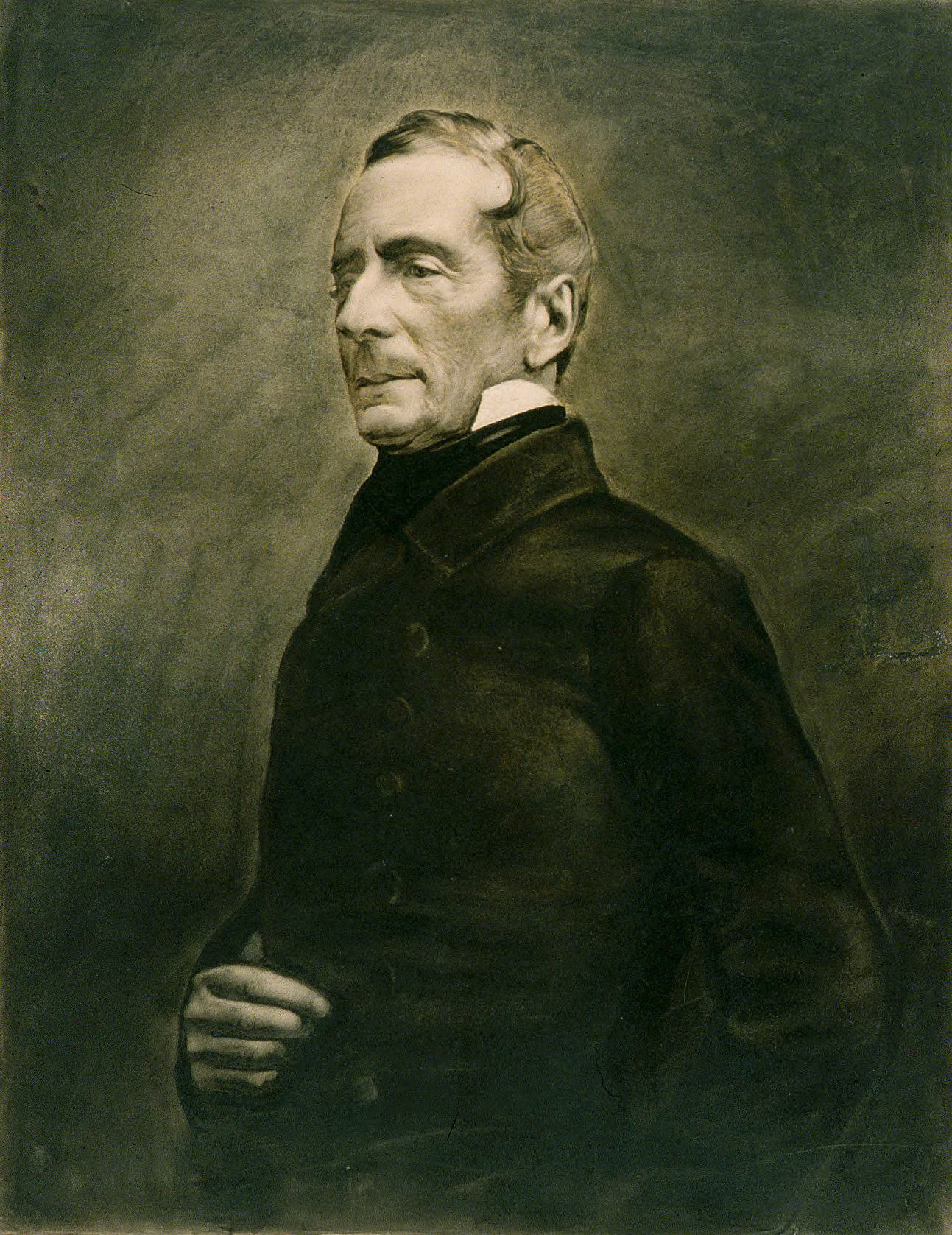
François duc de La Rochefoucauld
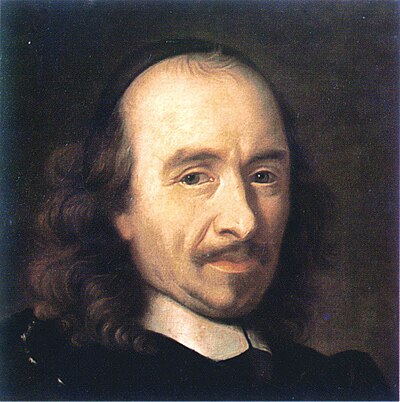
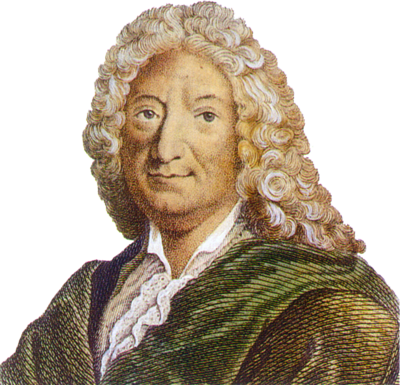
François duc de La Rochefoucauld was a French author and moralist best known for his sharp and insightful maxims that delve into human nature and social behavior. Born into a noble family, La Rochefoucauld's early life was marked by the tumult of the Thirty Years' War and the Fronde, which influenced his views on the complexities of human motives and the often hypocritical nature of society. His experiences in the court of Louis XIV provided a rich backdrop for his observations on vanity, ambition, and the intricacies of personal relationships. His most significant work, 'Maximes,' published in 1665, is a collection of succinct aphorisms that reflect his keen understanding of the human psyche. These maxims, characterized by their wit and brevity, explore themes such as self-interest, love, and the moral ambiguities of life. La Rochefoucauld's writing is notable for its candidness and psychological depth, making him a precursor to modern psychological and philosophical thought. His influence can be seen in the works of later writers and thinkers, including Nietzsche and Proust, who admired his ability to capture the essence of human behavior in a few poignant words. La Rochefoucauld's legacy endures as a foundational figure in the genre of moral literature, shaping the way we understand and articulate the complexities of human nature.
Famous Quotes
View all 20 quotes“Our envy always lasts longer than the happiness of those we envy.””
“How is it that our memory is good enough to retain the least triviality that happens to us, and yet not good enough to recollect how often we have told it to the same person? ~François Duc de La Rochefoucauld””
“Hope and fear are inseparable.””
Books from the author





Link to this page
Add a free, dofollow link to Lex on your blog, forum, syllabus, or reading list.

<a href="https://lex-books.com/author/françois-duc-de-la-rochefoucauld"><img src="https://lex-books.com/badges/read-on-lex.svg" alt="François duc de La Rochefoucauld on Lex" width="160" height="40"></a>[](https://lex-books.com/author/françois-duc-de-la-rochefoucauld)[url=https://lex-books.com/author/françois-duc-de-la-rochefoucauld][img]https://lex-books.com/badges/read-on-lex.svg[/img][/url]François duc de La Rochefoucauld on Lex: https://lex-books.com/author/françois-duc-de-la-rochefoucauld