
Emperor of Rome Marcus Aurelius
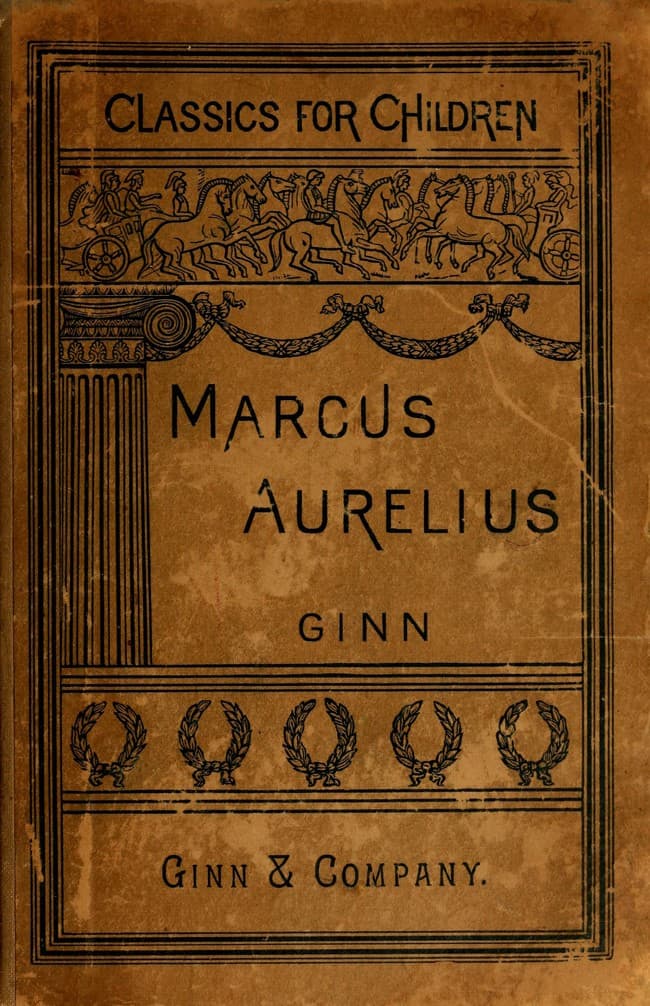
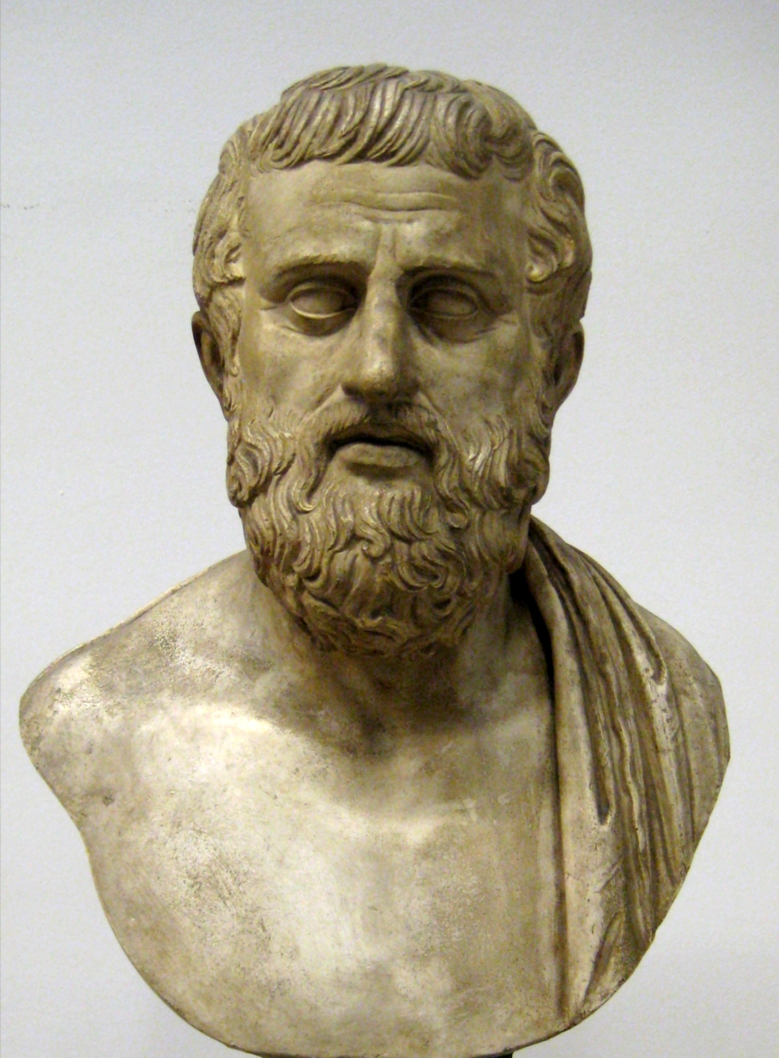
Marcus Aurelius Antoninus was a Roman emperor renowned for his philosophical writings and Stoic principles. Ascending to the throne in 161, he ruled during a time marked by relative peace known as the Pax Romana, which lasted until his death in 180. As a member of the Nerva–Antonine dynasty and the last of the Five Good Emperors, Aurelius is often celebrated for his commitment to duty and governance, balancing the responsibilities of leadership with his philosophical pursuits. He served as consul multiple times, showcasing his dedication to public service and the Roman state. Aurelius is perhaps best known for his work "Meditations," a series of personal writings that reflect his Stoic beliefs and provide insight into his thoughts on virtue, reason, and the nature of human existence. This text, originally intended for his own guidance, has become a cornerstone of Stoic philosophy and continues to influence readers and thinkers across centuries. His legacy as a philosopher-king has cemented his place in history as a model of ethical leadership, embodying the ideals of Stoicism and the responsibilities of power in a turbulent world.
Famous Quotes
View all 15 quotes“How ridiculous and unrealistic is the man who is astonished at anything that happens in life.””
“Do not look around to discover other people's ruling principles, but look straight to this, to what nature leads you, both the universal nature through which things happen to you, and your own nature through the acts which must be done by you.””
“The ambitious supposeth another man's act, praise and applause, to be his own happiness; the voluptuous his own sense and feeling; but he that is wise, his own action””
Books from the author




Link to this page
Add a free, dofollow link to Lex on your blog, forum, syllabus, or reading list.

<a href="https://lex-books.com/author/emperor-of-rome-marcus-aurelius"><img src="https://lex-books.com/badges/read-on-lex.svg" alt="Emperor of Rome Marcus Aurelius on Lex" width="160" height="40"></a>[](https://lex-books.com/author/emperor-of-rome-marcus-aurelius)[url=https://lex-books.com/author/emperor-of-rome-marcus-aurelius][img]https://lex-books.com/badges/read-on-lex.svg[/img][/url]Emperor of Rome Marcus Aurelius on Lex: https://lex-books.com/author/emperor-of-rome-marcus-aurelius