d'Orléans Charles
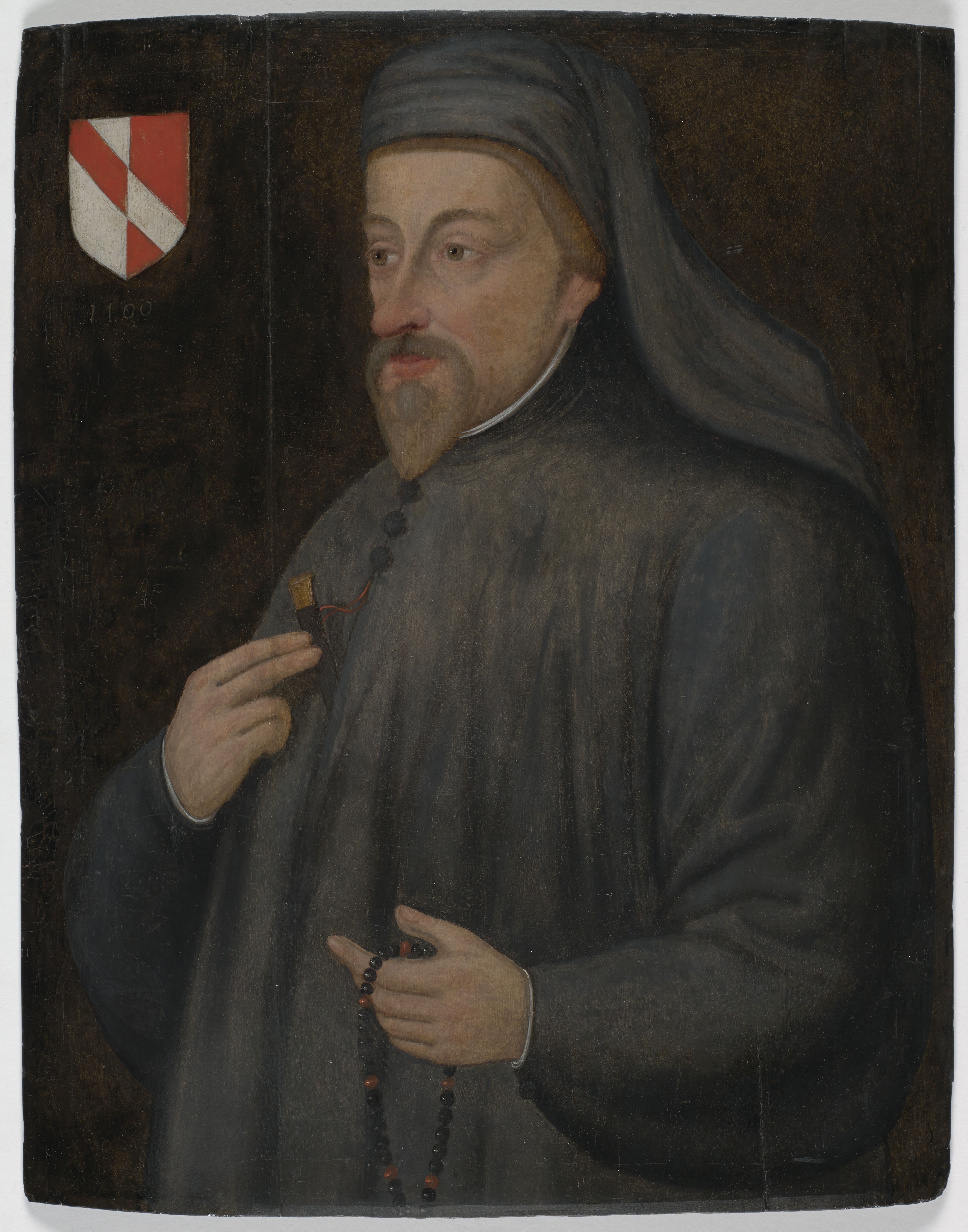
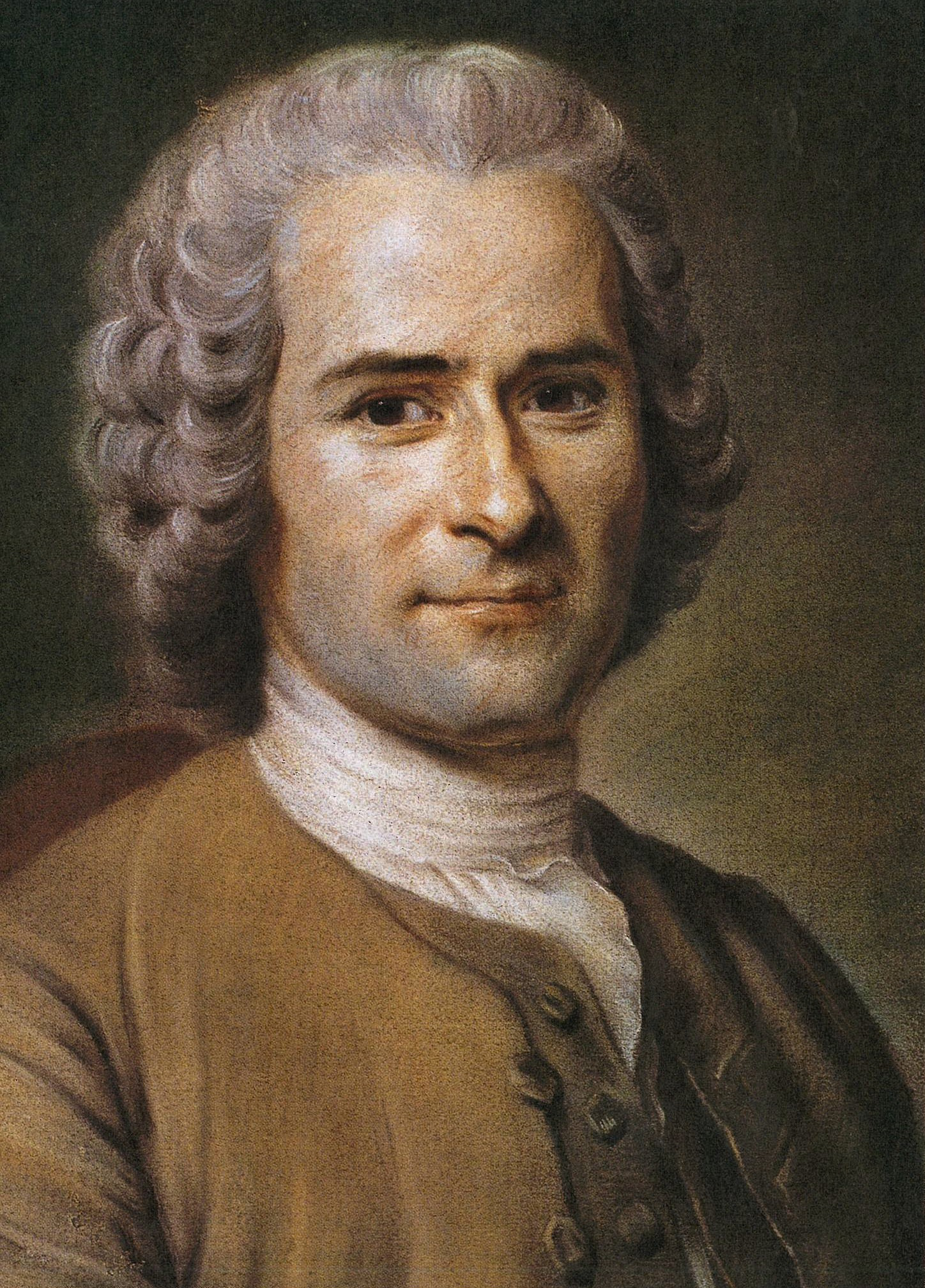
Charles d'Orléans was a notable French poet and nobleman, born into the royal family of France. He spent a significant portion of his life in captivity in England after being captured at the Battle of Agincourt in 1415, which profoundly influenced his literary output. D'Orléans's poetry, characterized by its lyrical beauty and emotional depth, reflects themes of love, loss, and the trials of war. His collection, 'Poésies De Charles D'orléans,' showcases his talent for blending personal sentiment with the conventions of courtly love, making him a key figure in the development of French poetry during the late Middle Ages. In addition to his poetry, d'Orléans is known for works such as 'Fortunes Stabilnes,' which presents a unique perspective on love and relationships, and 'England and France in the fifteenth century,' a critical examination of the political and cultural dynamics between the two nations during his lifetime. His writings not only provide insight into the historical context of the Hundred Years' War but also reveal the complexities of identity and allegiance in a time of conflict. Charles d'Orléans's legacy endures through his contributions to literature, influencing later poets and solidifying his place in the canon of French literature.
Famous Quotes
View all 2 quotes“Le temps a laissié son manteauDe vent, de froidure et de pluye,Et s'est vestu de brouderie,De soleil luyant, cler et beau. Il n'y a beste, ne oyseau,Qu'en son jargon ne chante ou crie :Le temps a laissié son manteau ! Riviere, fontaine et ruisseauPortent, en livree jolie,Gouttes d'argent, d'orfaverie,Chascun s'abille de nouveau :Le temps a laissié son manteau !””
“Yver, vous n'estes qu'un villain,Esté est plaisant et gentil,En tesmoing de May et d'AvrilQui l'acompaignent soir et main.Esté revest champs, bois et fleurs,De sa livrée de verdureEt de maintes autres couleurs,Par l'ordonnance de Nature.Mais vous, Yver, trop estes plainDe nege, vent pluye et grezil;On vous deust banie en essil.Sans point flater, je parle plain,Yver, vous n'estes qu'un villain ! ””
Books from the author




Link to this page
Add a free, dofollow link to Lex on your blog, forum, syllabus, or reading list.

<a href="https://lex-books.com/author/dorléans-charles"><img src="https://lex-books.com/badges/read-on-lex.svg" alt="d'Orléans Charles on Lex" width="160" height="40"></a>[](https://lex-books.com/author/dorléans-charles)[url=https://lex-books.com/author/dorléans-charles][img]https://lex-books.com/badges/read-on-lex.svg[/img][/url]d'Orléans Charles on Lex: https://lex-books.com/author/dorléans-charles