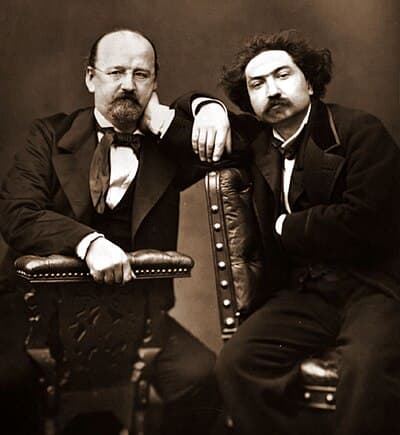
Erckmann-Chatrian
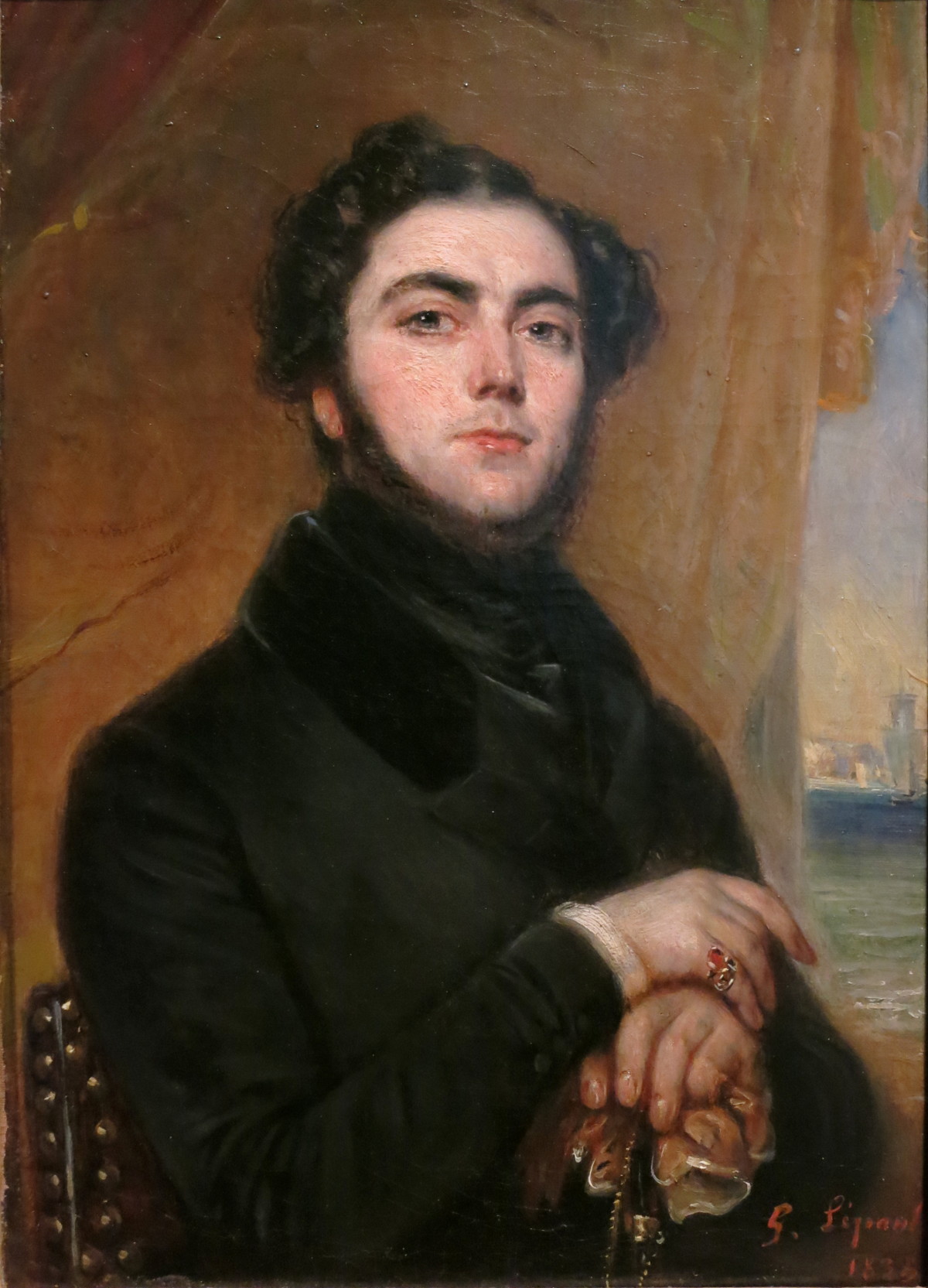
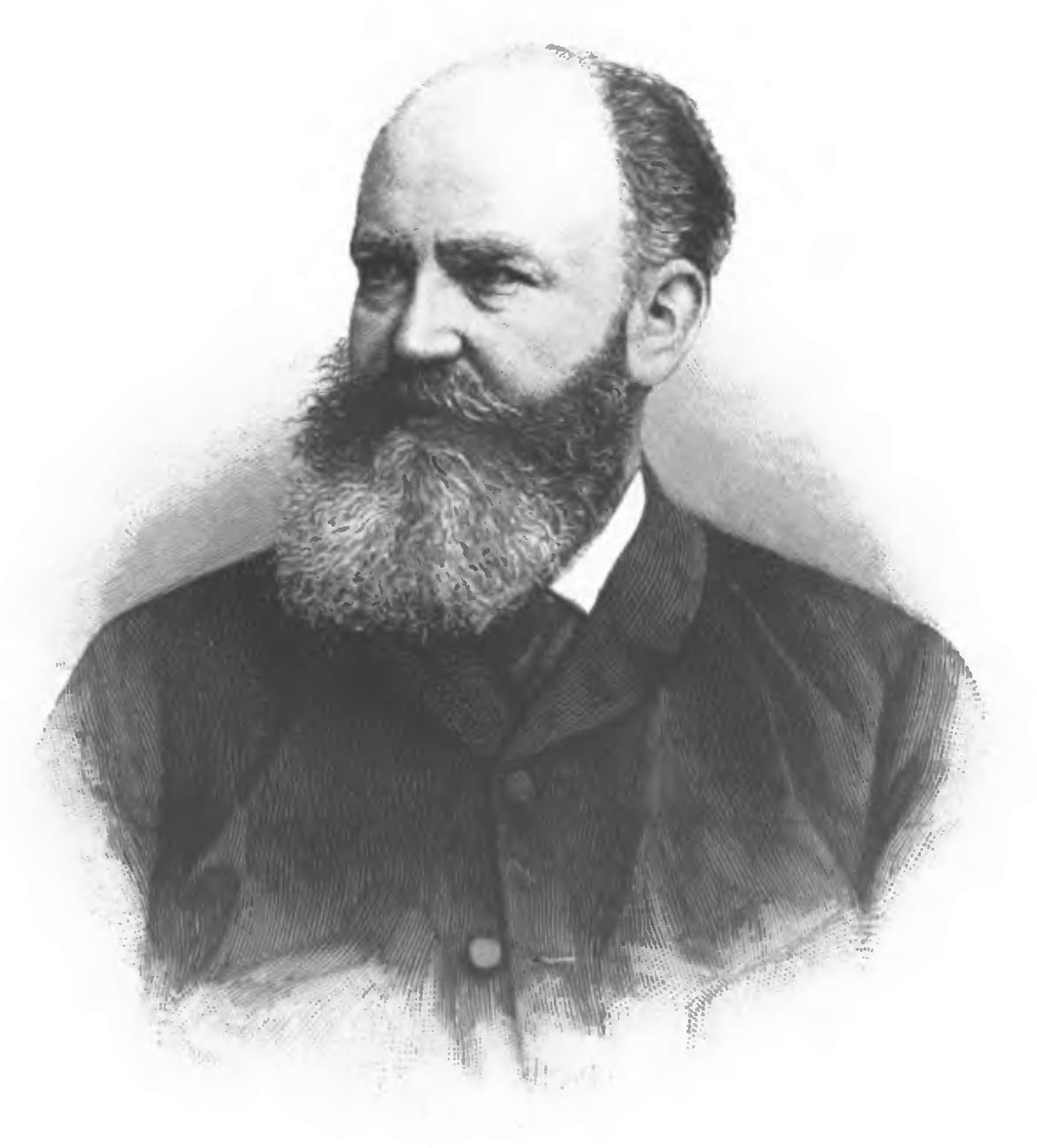
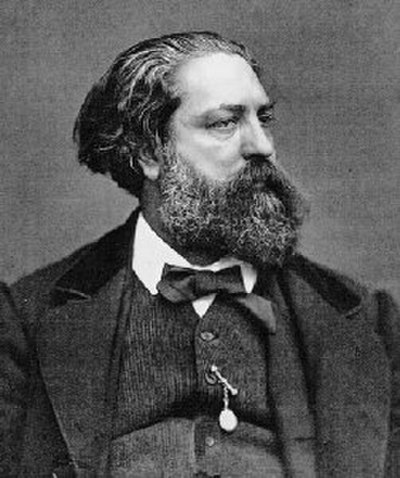
Erckmann-Chatrian was the pen name of the French writing duo of Emile Erckmann and Alexandre Chatrian, who collaborated extensively in the 19th century. They are best known for their historical novels and tales that often draw on the folklore and traditions of their native Alsace region. Their most notable works include 'The Invisible Eye' and 'The Last of the Abencerrages,' which showcase their ability to blend history with vivid storytelling and rich character development. Their narratives often reflect the complexities of human nature and the struggles of ordinary people against the backdrop of significant historical events. The duo's contributions to literature were significant in popularizing the historical novel genre in France. They were pioneers in creating a unique blend of realism and romanticism, which influenced later writers. Their works were well-received in their time, and they enjoyed considerable popularity, particularly among readers interested in the cultural and historical aspects of Alsace. Erckmann-Chatrian's legacy endures through their ability to capture the spirit of their time and place, making their stories resonate with readers even today.
Famous Quotes
View all 3 quotes“Meanwhile the colonel followed the mad woman, and by a strange effect of the superexcitation of his senses, saw her in the darkness, through the mist, as plainly as in broad daylight; he heard her sighs, her confused words, in spite of the continual moan of the autumn winds rushing through the deserted streets. A few late townspeople, the collars of their coats raised to the level of their ears, their hands in their pockets, and their hats pressed down over their eyes, passed, at infrequent intervals, along the pavements; doors were heard to shut with a crash. An ill-fastened shutter banged against a wall, a tile torn from a housetop by the wind fell into the street; then, again, the immense torrent of air whirled on its course, drowning with its lugubrious voice all other sounds of the night. It was one of those cold nights at the end of October, when the weathercocks, shaken by the north wind, turn giddily on the high roofs, and cry with shrilly voices, 'Winter! - Winter! - Winter is come!' ("The Child Stealer")”
“The weather appeared to have somewhat cleared up; the rain no longer fell, a fresh wind swept the streets, and the moon, now and then surrounded by dark clouds, now and then shining in full brilliancy, shed its rays, smooth and cold as blades of steel, upon the thousand pools of water lying in the hollows of the paving-stones. ("The Child Stealer")”
“I reeled with giddiness - flames passed before my eyes. I remembered those precipices that drew one towards them with irresistible power - wells that have had to be filled up because of persons throwing themselves into them - trees that have had to be cut down because of people hanging themselves upon them - the contagion of suicide and theft and murder, which at various times has taken possession of people's minds, by means well understood; that strange inducement, which makes people kill themselves because others kill themselves. My hair rose upon my head with horror! ("The Invisible Eye")”
Books from the author



Link to this page
Add a free, dofollow link to Lex on your blog, forum, syllabus, or reading list.

<a href="https://lex-books.com/author/erckmann-chatrian"><img src="https://lex-books.com/badges/read-on-lex.svg" alt="Erckmann-Chatrian on Lex" width="160" height="40"></a>[](https://lex-books.com/author/erckmann-chatrian)[url=https://lex-books.com/author/erckmann-chatrian][img]https://lex-books.com/badges/read-on-lex.svg[/img][/url]Erckmann-Chatrian on Lex: https://lex-books.com/author/erckmann-chatrian