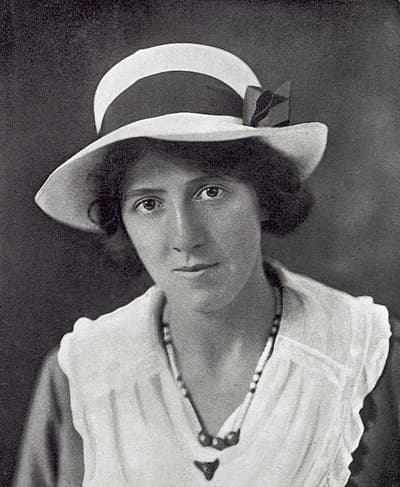
C. C. Stopes
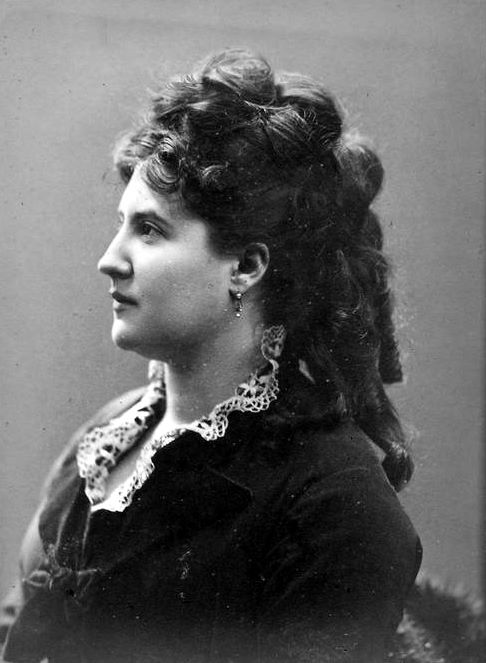
C. C. Stopes was a pioneering British author and advocate for women's rights, best known for her influential work in the fields of birth control and reproductive health. Born in 1840, she emerged as a significant figure in the early feminist movement, challenging societal norms and advocating for women's autonomy over their bodies. Her most notable work, "The Evolution of Woman," published in 1911, explored the intersection of gender and evolution, arguing for the importance of women's roles in society and the necessity of their liberation from oppressive structures. Stopes's contributions extended beyond literature; she was instrumental in the establishment of the first birth control clinic in Britain in 1921, which reflected her commitment to improving women's health and rights. Her writings, including "Married Love" (1918), not only addressed sexual education but also promoted the idea of love and companionship in marriage, which was revolutionary for her time. C. C. Stopes's legacy is marked by her bold advocacy for women's rights and her role in shaping modern discussions around reproductive health, making her a significant figure in both literature and social reform.
Books from the author










Link to this page
Add a free, dofollow link to Lex on your blog, forum, syllabus, or reading list.

<a href="https://lex-books.com/author/c-c-stopes"><img src="https://lex-books.com/badges/read-on-lex.svg" alt="C. C. Stopes on Lex" width="160" height="40"></a>[](https://lex-books.com/author/c-c-stopes)[url=https://lex-books.com/author/c-c-stopes][img]https://lex-books.com/badges/read-on-lex.svg[/img][/url]C. C. Stopes on Lex: https://lex-books.com/author/c-c-stopes