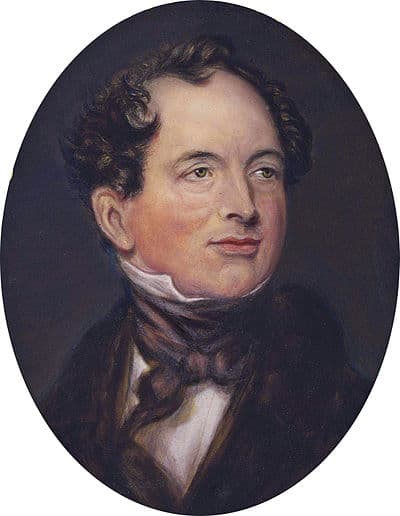
Thomas Moore
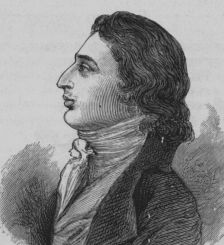
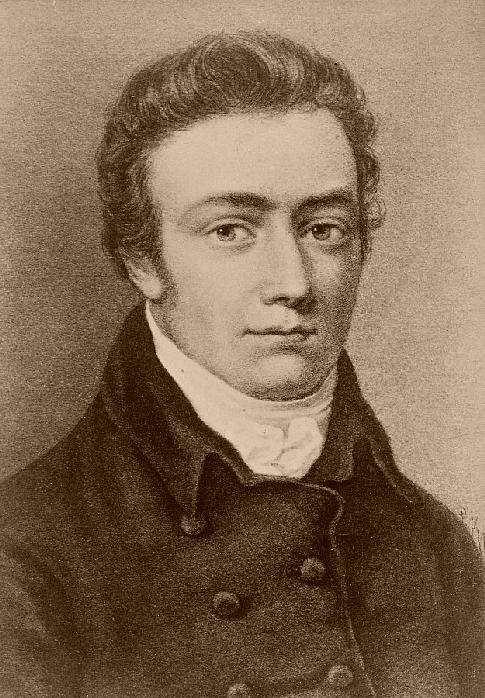
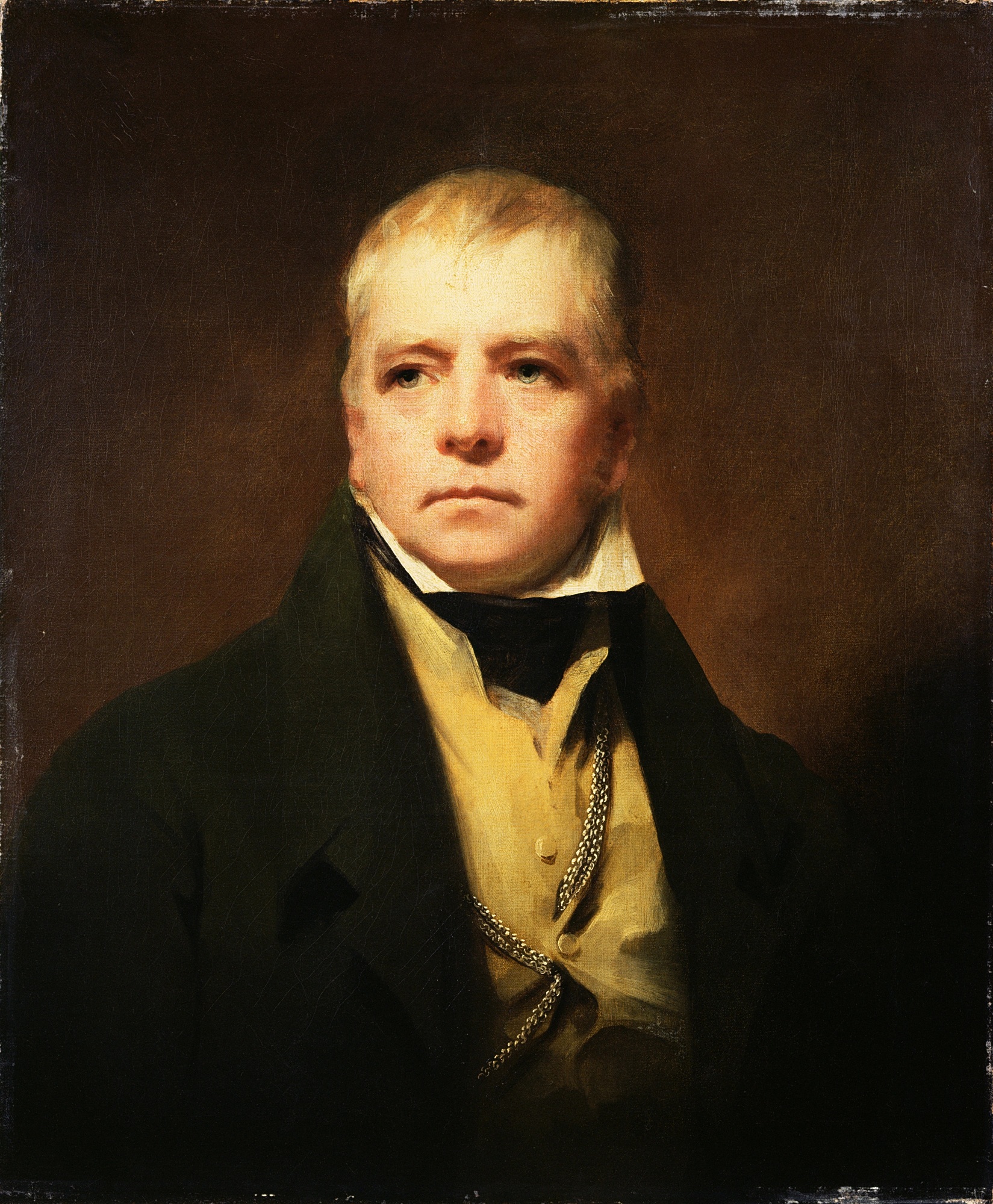
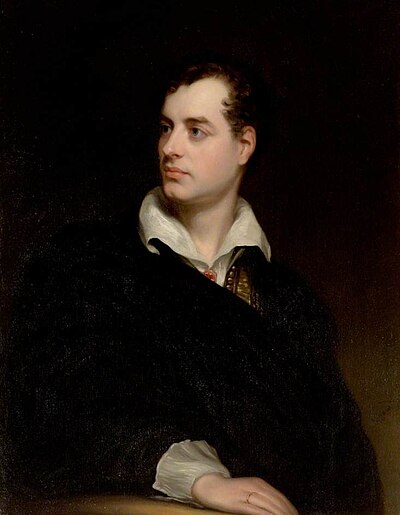
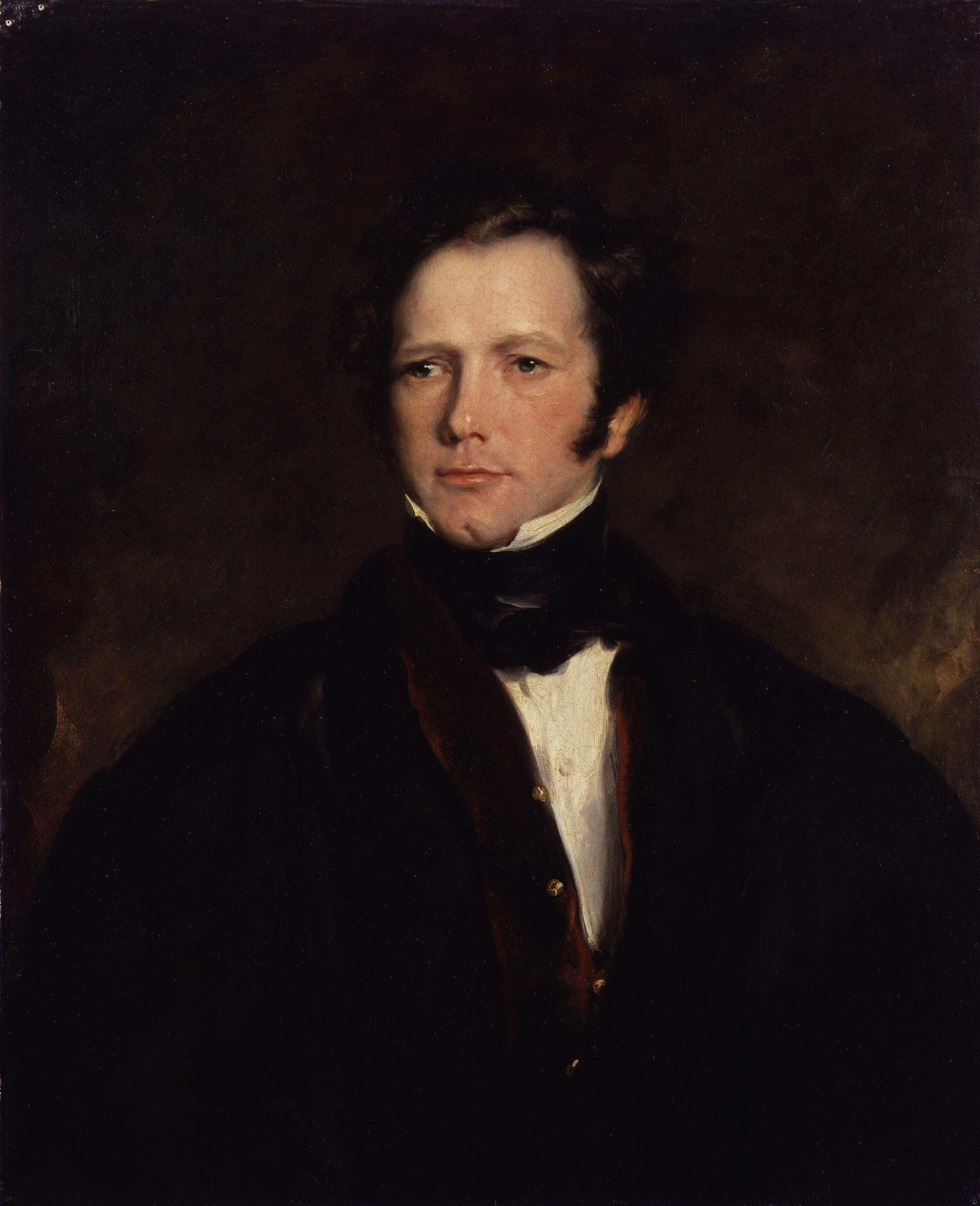
Thomas Moore was an influential Irish writer, poet, and lyricist, celebrated as Ireland's 'national bard' during his lifetime. His most notable work, the 'Irish Melodies,' began publication in 1808 and consisted of ten volumes that paired poignant verses with traditional Irish tunes, articulating themes of nationalism, dispossession, and resistance. Moore's romantic sensibilities were further showcased in 'Lalla Rookh' (1817), an elaborate orientalist allegory that garnered him international acclaim and established his reputation within the European romantic movement. His works were not only literary achievements but also musical adaptations, with composers like Robert Schumann arranging his melodies for performance, thus extending his influence beyond the written word. In addition to his lyrical contributions, Moore was a sharp political satirist, often targeting the Tory government and figures like Lord Castlereagh, whom he accused of betraying the Irish people. His verse novel 'The Fudge Family in Paris' (1818) exemplified his critique of political machinations and the disillusionment of Irish Catholics. Despite his reluctance to align with overtly Catholic nationalism, he expressed broader sympathies through various prose works, including a biography of Lord Edward Fitzgerald and 'Memoirs of Captain Rock' (1824), which depicted the struggles of Irish tenants. Moore's legacy lies in his ability to intertwine art and politics, making significant contributions to both Irish literature and the national consciousness.
Famous Quotes
View all 3 quotes“It is only through mystery and madness that the soul is revealed”
“Disappointments in love, even betrayals and losses, serve the soul at the very moment they seem in life to be tragedies. The soul is partly in time and partly in eternity. We might remember the part that resides in eternity when we feel despair over the part that is in life.”
“We need people in our lives with whom we can be as open as possible. To have real conversations with people may seem like such a simple, obvious suggestion, but it involves courage and risk.”
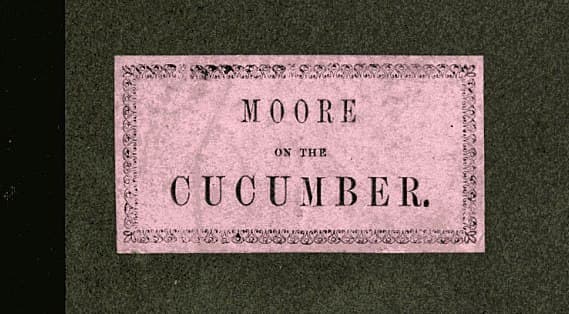
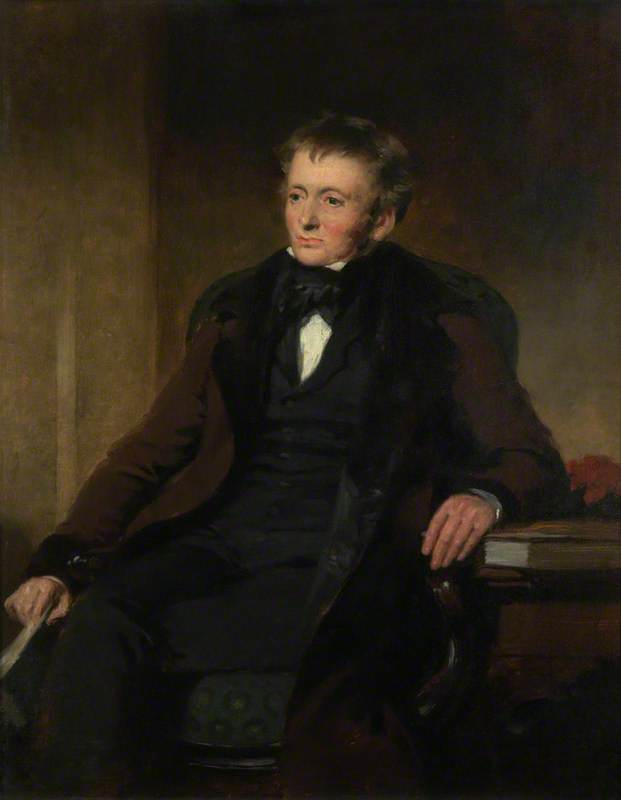
Books from the author




Link to this page
Add a free, dofollow link to Lex on your blog, forum, syllabus, or reading list.

<a href="https://lex-books.com/author/thomas-moore"><img src="https://lex-books.com/badges/read-on-lex.svg" alt="Thomas Moore on Lex" width="160" height="40"></a>[](https://lex-books.com/author/thomas-moore)[url=https://lex-books.com/author/thomas-moore][img]https://lex-books.com/badges/read-on-lex.svg[/img][/url]Thomas Moore on Lex: https://lex-books.com/author/thomas-moore