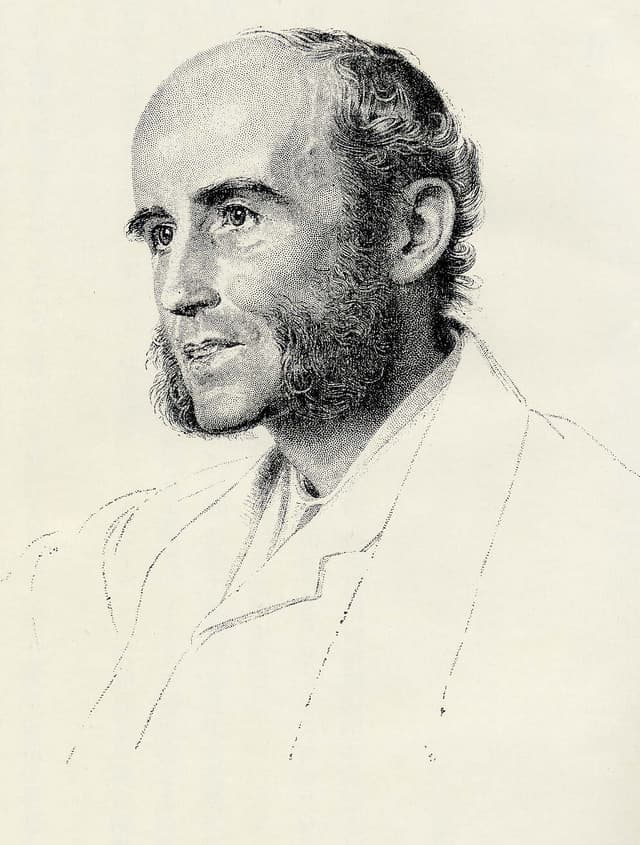
John Richard Green
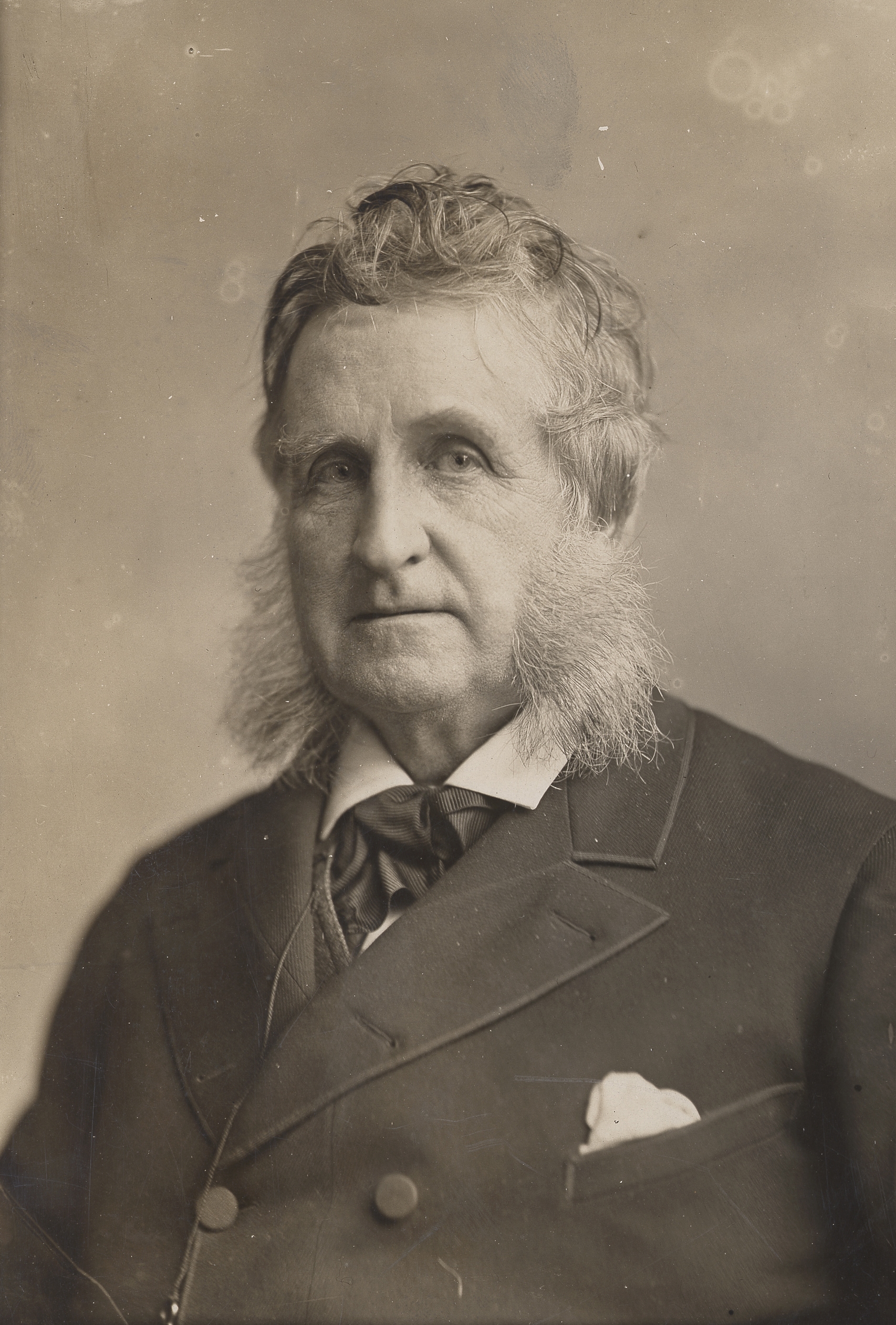
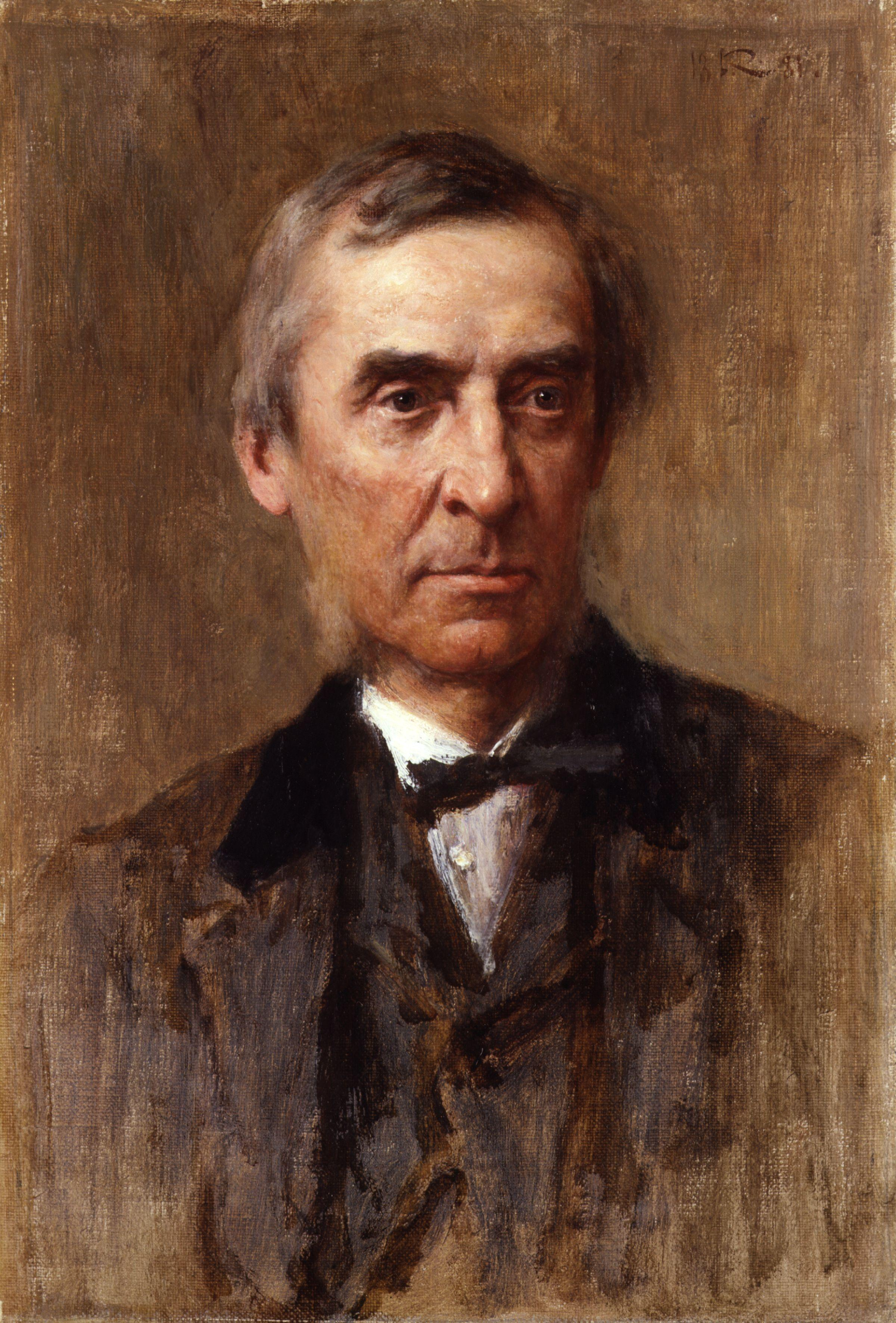
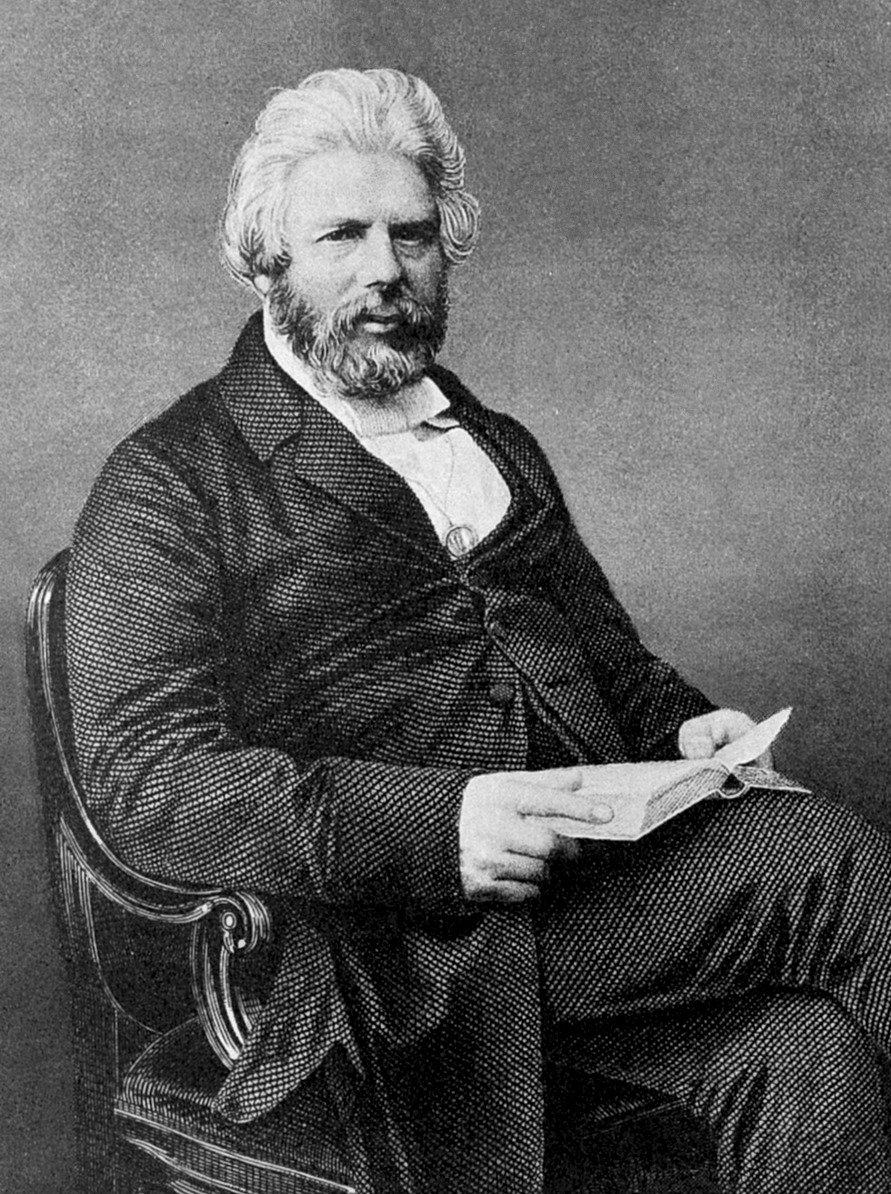
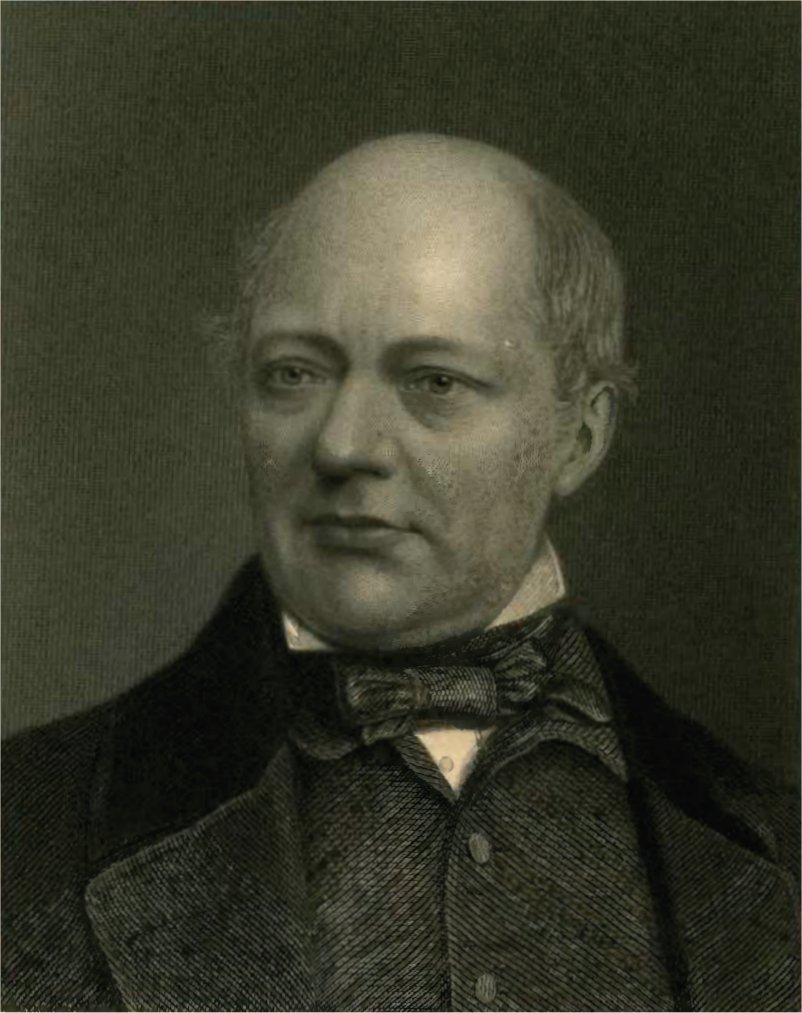
John Richard Green was an influential English historian known for his comprehensive and engaging narratives of English history. Born in 1837, he was educated at Oxford, where he developed a passion for history that would shape his career. Green's most notable work, 'A Short History of the English People,' published in 1874, was groundbreaking in its approach, offering a vivid and accessible account of English history that appealed to a broad audience. His ability to weave together political, social, and cultural threads into a cohesive narrative set a new standard for historical writing in the 19th century. Green's scholarship was characterized by a commitment to presenting history as a living story rather than a mere collection of dates and events. He emphasized the importance of ordinary people in shaping history, which was a departure from the traditional focus on kings and battles. His work not only influenced contemporaries but also laid the groundwork for future historians, making history more relatable and engaging. Despite his untimely death at the age of 45, Green's legacy endures through his writings, which continue to be celebrated for their clarity and insight into the English past.
Famous Quotes
View all 3 quotes“Time's change and chances I have abided, held my own fairly, sought not to snare men; oath never sware I falsely against right. So for all this may I glad be at heart now, sick though I sit here, wounded with death-”
“The organization of each Folk, as such, sprang in all likelihood mainly from war, from a common greed of conquest, a common need of defence. Its form at any rate was wholly military. The Folk-moot was in fact the war-host, the gathering of every freeman of the tribe in arms.”
“The ties of race and kindred were no doubt drawn tighter by the needs of war.”
Books from the author






Link to this page
Add a free, dofollow link to Lex on your blog, forum, syllabus, or reading list.

<a href="https://lex-books.com/author/john-richard-green"><img src="https://lex-books.com/badges/read-on-lex.svg" alt="John Richard Green on Lex" width="160" height="40"></a>[](https://lex-books.com/author/john-richard-green)[url=https://lex-books.com/author/john-richard-green][img]https://lex-books.com/badges/read-on-lex.svg[/img][/url]John Richard Green on Lex: https://lex-books.com/author/john-richard-green