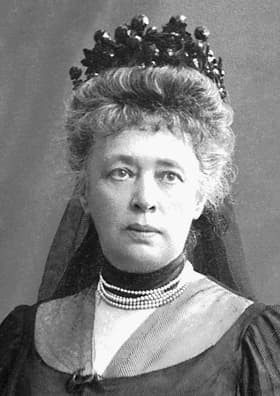
Bertha von Suttner
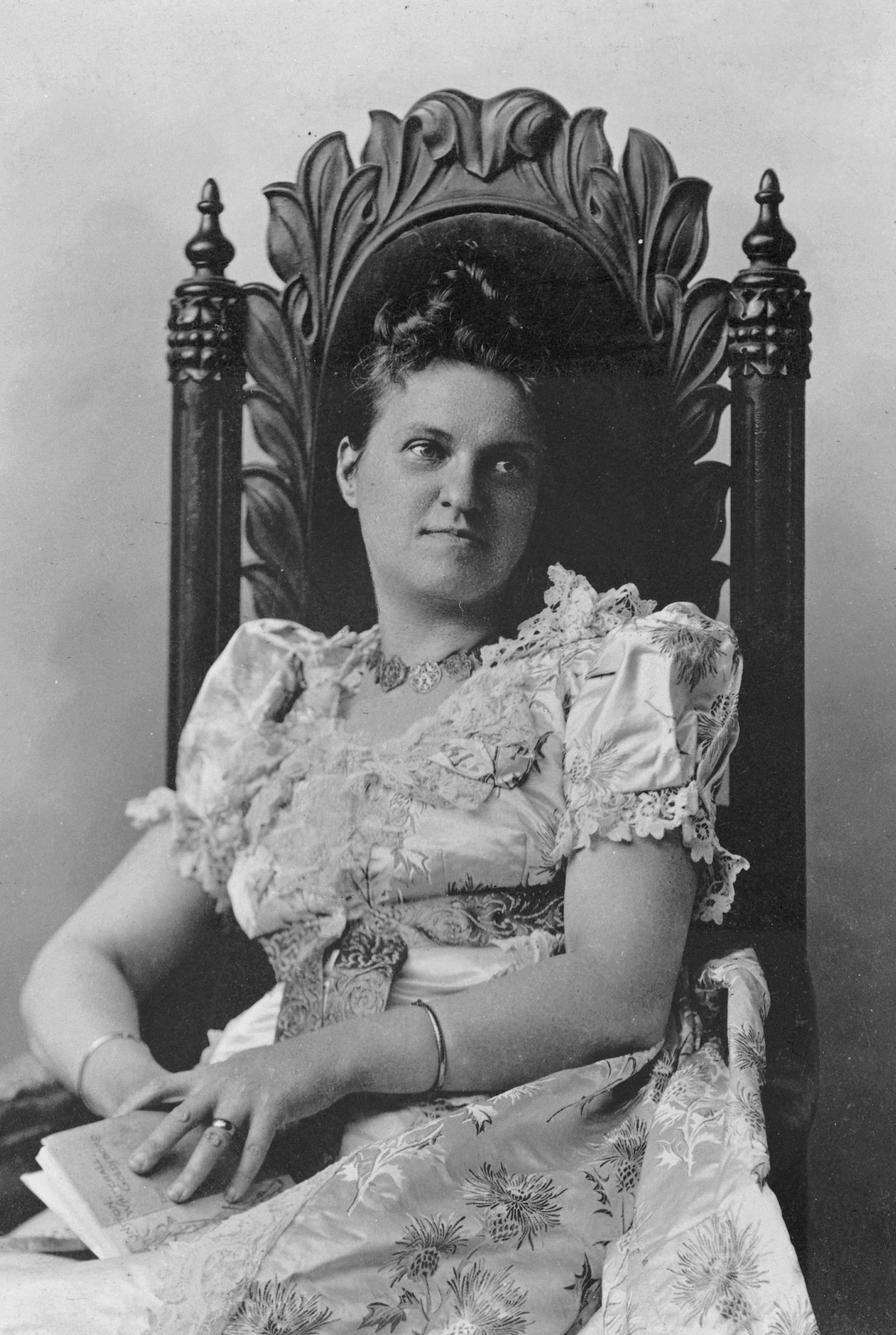
Baroness Bertha von Suttner was an influential Austro-Bohemian noblewoman, pacifist, and novelist whose work significantly impacted the peace movement in the late 19th and early 20th centuries. Born as Countess Kinsky, she became a prominent advocate for disarmament and international peace, drawing from her experiences and observations of the societal consequences of war. Her most notable work, 'Lay Down Your Arms' (1889), was a groundbreaking novel that combined fiction with a powerful anti-war message, making her one of the earliest female authors to address such themes in literature. The book's success helped to elevate her status as a leading voice for peace, inspiring generations of activists and writers alike. In 1905, von Suttner made history by becoming the first woman to receive the Nobel Peace Prize, recognizing her tireless efforts in promoting peace and her role in the burgeoning international peace movement. Her legacy extends beyond her literary contributions; she was a key figure in the establishment of the Austrian Peace Society and played a crucial role in the formation of the International Peace Bureau. Bertha von Suttner's advocacy for peace and her pioneering literary works have left an indelible mark on both literature and the global peace movement, solidifying her place as a significant figure in the history of pacifism and women's rights.
Famous Quotes
View all 3 quotes“After the verb "to love,", "to help" is the most beautiful verb in the world.”
“L'avenir appartient à la gentillesse.”
“Wenn man auch die Fähigkeit nicht hat, über einen gewissen Grad von Mitschmerz hinaus zu fühlen - zu denken und zu berechnen vermag man es doch, daß die unfaßbare Jammerquantität vorhanden ist -" "Das vermagst du und ein paar anders -, doch die meisten denken und berechnen nicht." "Denken nicht," wiederholte er. "Gott sei's geklagt, das ist an allen Übeln schuld: die meisten denken nicht.”
Books from the author










Link to this page
Add a free, dofollow link to Lex on your blog, forum, syllabus, or reading list.

<a href="https://lex-books.com/author/bertha-von-suttner"><img src="https://lex-books.com/badges/read-on-lex.svg" alt="Bertha von Suttner on Lex" width="160" height="40"></a>[](https://lex-books.com/author/bertha-von-suttner)[url=https://lex-books.com/author/bertha-von-suttner][img]https://lex-books.com/badges/read-on-lex.svg[/img][/url]Bertha von Suttner on Lex: https://lex-books.com/author/bertha-von-suttner