Shakespeare's Environment
1914
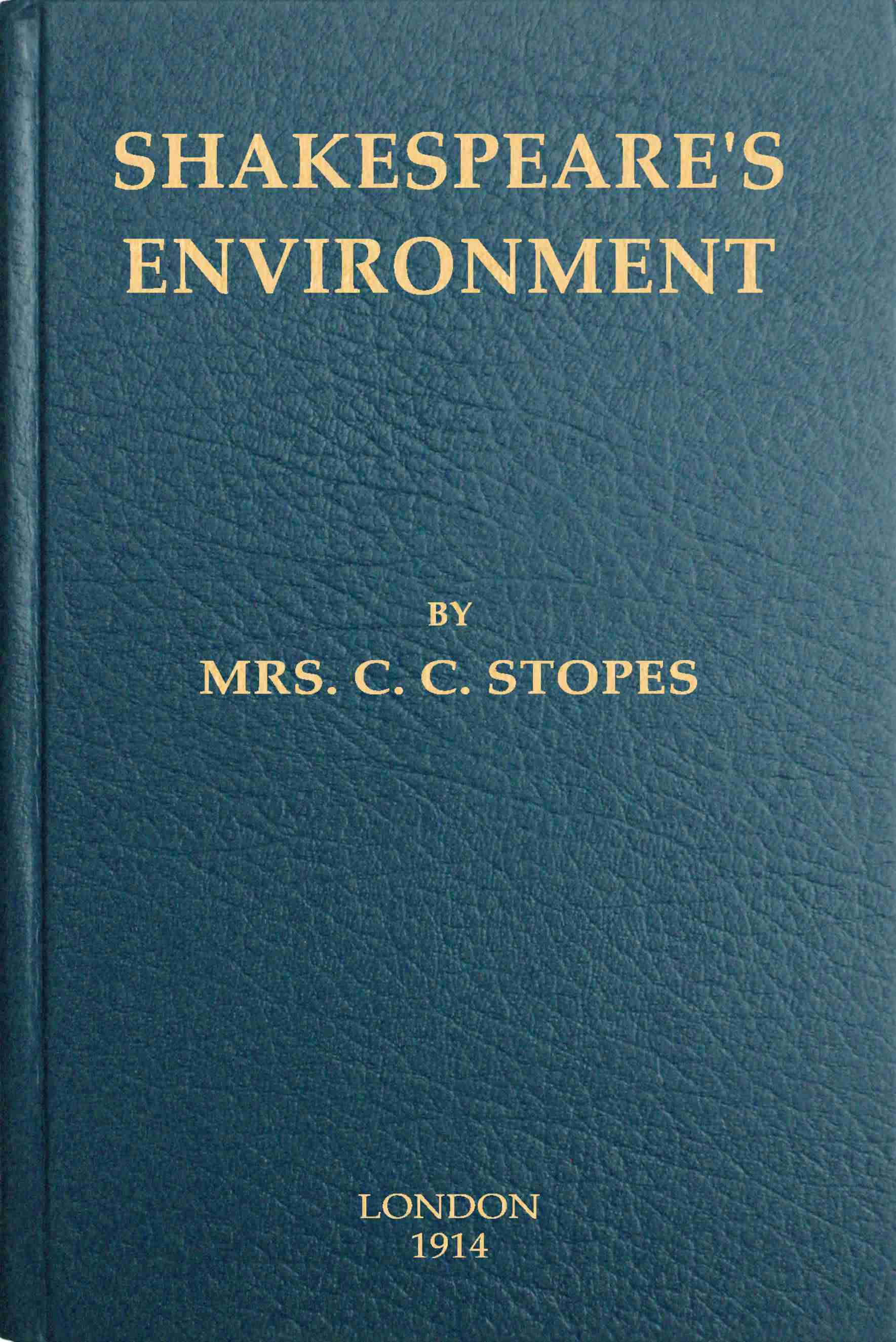
C. C. Stopes' 1914 study pioneered what we might call environmental biography - not a life narrative, but a meticulous excavation of the material conditions that made William Shakespeare possible. Drawing on property records, legal documents, and family correspondence, Stopes traces the playwright's origins through his family's land holdings in Snitterfield and the strategic marriage settlements of his Arden relatives. She reveals how Thomas and Robert Arden's property disputes, the economic vulnerabilities of their daughters, and the intricate web of inheritance decisions shaped a world that ultimately produced England's greatest dramatist. This is biography as archaeology: Stopes digs beneath the plays to examine the soil from which they grew. The book remains essential reading for anyone who understands that genius does not emerge from a vacuum but from specific circumstances - a birthplace, a family's economic position, an education made possible by particular advantages. Stopes was among the first to take Shakespeare's material environment as seriously as his texts.
Editions
Link to this book
Add a free, dofollow link to Lex on your blog, forum, syllabus, or reading list.

<a href="https://lex-books.com/book/shakespeare-s-environment-23083665-8397-4774-a0d8-da1546dbda12"><img src="https://lex-books.com/badges/read-on-lex.svg" alt="Read Shakespeare's Environment by C. C. Stopes free on Lex" width="160" height="40"></a>[](https://lex-books.com/book/shakespeare-s-environment-23083665-8397-4774-a0d8-da1546dbda12)[url=https://lex-books.com/book/shakespeare-s-environment-23083665-8397-4774-a0d8-da1546dbda12][img]https://lex-books.com/badges/read-on-lex.svg[/img][/url]Read Shakespeare's Environment by C. C. Stopes free on Lex: https://lex-books.com/book/shakespeare-s-environment-23083665-8397-4774-a0d8-da1546dbda12Cite this book
Reading this edition for a paper or guide? Copy a citation.
Stopes, C. C.. Shakespeare's Environment. Lex, lex-books.com/book/shakespeare-s-environment-23083665-8397-4774-a0d8-da1546dbda12.Stopes, C. C. (1914). Shakespeare's Environment. Lex. https://lex-books.com/book/shakespeare-s-environment-23083665-8397-4774-a0d8-da1546dbda12Stopes, C. C.. Shakespeare's Environment. Lex. https://lex-books.com/book/shakespeare-s-environment-23083665-8397-4774-a0d8-da1546dbda12.