C. A. Bartol
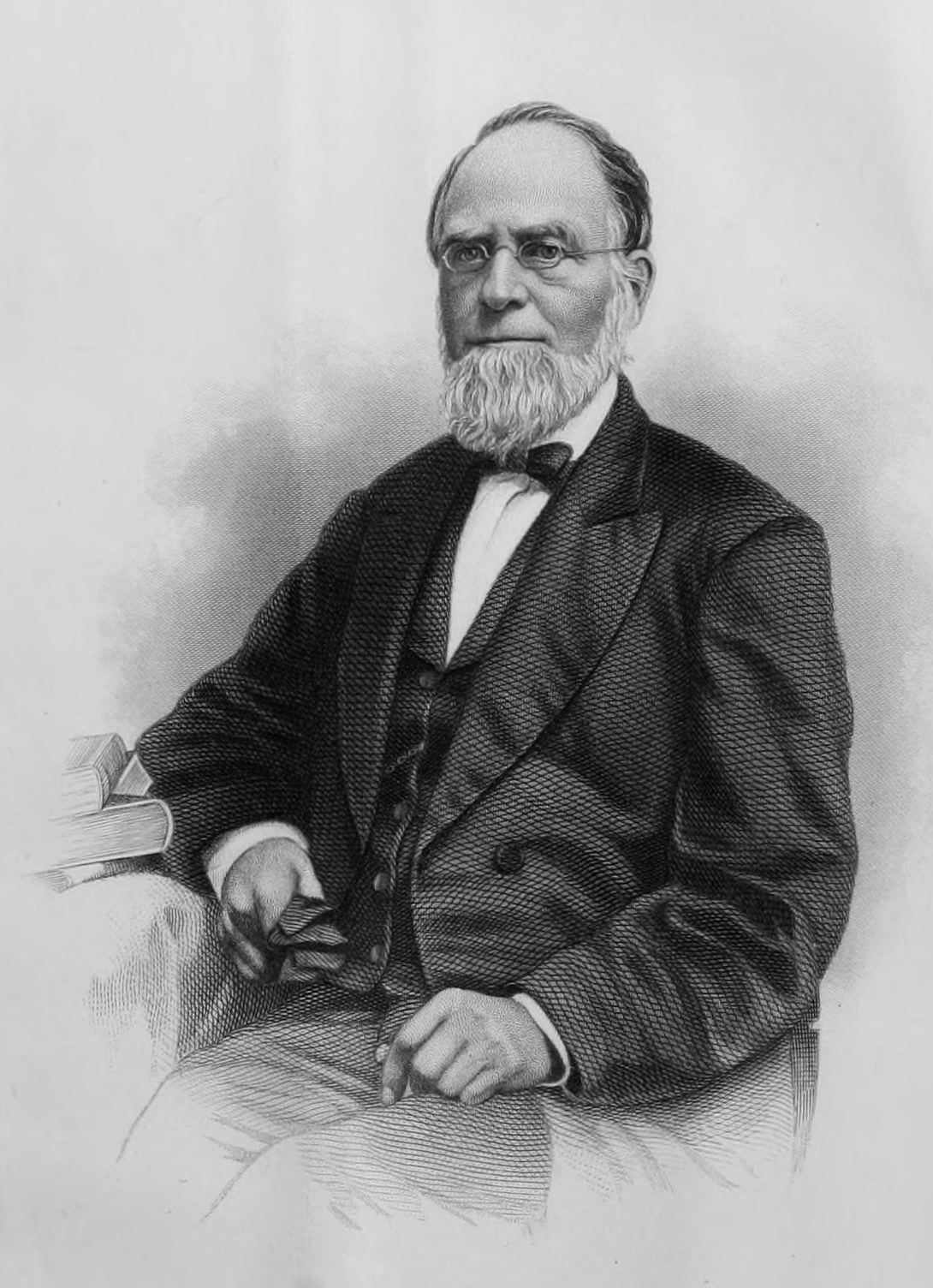
C. A. Bartol was a prominent American Unitarian minister and author known for his eloquent sermons and writings that reflected the social and political issues of his time. Born in 1813, Bartol became a significant figure in the religious community, particularly in Boston, where he served as a minister at West Church. His work often addressed moral and ethical questions, emphasizing the importance of character and integrity in public life. One of his notable works, 'Senatorial Character: A Sermon in West Church, Boston, Sunday, 15th of March, After the Decease of Charles Sumner,' exemplifies his engagement with contemporary political matters. In this sermon, Bartol paid tribute to the late senator Charles Sumner, a leading figure in the abolitionist movement, reflecting on the virtues of leadership and the moral responsibilities of public servants. Bartol's writings are characterized by their thoughtful reflection on the human condition and the challenges of his era, making him a significant voice in 19th-century American thought. Bartol's legacy lies in his ability to intertwine religious principles with social commentary, influencing both his contemporaries and future generations of thinkers and writers. His commitment to social justice and ethical leadership continues to resonate in discussions about the role of morality in politics today.
Famous Quotes
View all 1 quotes“No imputation on his purpose but cleared away like the cloud from a breath on spotless steel, leaving the metal bright as before. He was as incorruptible as he honorably said to me was Fessenden, his great rival in the Senate; and when he also one day, speaking of his limited means, remarked: "I have never had the art to get my hands into the Treasury," I was fain to answer, "You the whole man are in the Treasury yourself." He was indeed in our politics a fund and never-broken bank of moral wealth. Justice was his inspiration. He was a prophet by equity. Righteousness was his genius; and humanity, in any lack of imagination, his insight and foresight. He was without spot. He wore ermine though he sat not on the bench. John Jay had not cleaner hands, nor John Marshall a more honest will; Hamilton and Jefferson were no more patriotic in contending than he in every legal or congressional strife; and Story, his favorite teacher, and whose favorite pupil he was, no more opulent in knowledge or innocent in its use.””
Books from the author


Link to this page
Add a free, dofollow link to Lex on your blog, forum, syllabus, or reading list.

<a href="https://lex-books.com/author/c-a-bartol"><img src="https://lex-books.com/badges/read-on-lex.svg" alt="C. A. Bartol on Lex" width="160" height="40"></a>[](https://lex-books.com/author/c-a-bartol)[url=https://lex-books.com/author/c-a-bartol][img]https://lex-books.com/badges/read-on-lex.svg[/img][/url]C. A. Bartol on Lex: https://lex-books.com/author/c-a-bartol