
Bertrand Russell
Bertrand Russell was a British philosopher, logician, and mathematician whose contributions profoundly shaped modern thought in various fields, including mathematics, logic, and analytic philosophy. As a prominent figure in the early 20th century, he played a crucial role in the development of classical logic, co-authoring the influential work 'Principia Mathematica' with Alfred North Whitehead. This landmark text sought to establish a logical foundation for all of mathematics, marking a significant moment in the history of philosophy and logic. Russell's article 'On Denoting' is often hailed as a paradigm of philosophical inquiry, showcasing his ability to tackle complex ideas with clarity and precision. Beyond his academic achievements, Russell was a committed public intellectual and pacifist, known for his outspoken views on social and political issues. He was a vocal critic of imperialism and a leader in the anti-war movement, even enduring imprisonment for his pacifist beliefs during World War I. His evolving stance on global conflicts, including his initial support for appeasement toward Nazi Germany and later advocacy for American global leadership post-World War II, reflects his complex engagement with the moral dilemmas of his time. Russell's legacy endures not only through his philosophical works but also through his activism, which included a strong opposition to totalitarian regimes and a passionate call for nuclear disarmament, making him a significant figure in both intellectual and political spheres of the 20th century.
Famous Quotes
View all 19 quotes“There are two motives for reading a book; one, that you enjoy it; the other, that you can boast about it.””
“Do not fear to be eccentric in opinion, for every opinion now accepted was once eccentric.””
“Of all forms of caution, caution in love is perhaps the most fatal to true happiness.””
Books from the author








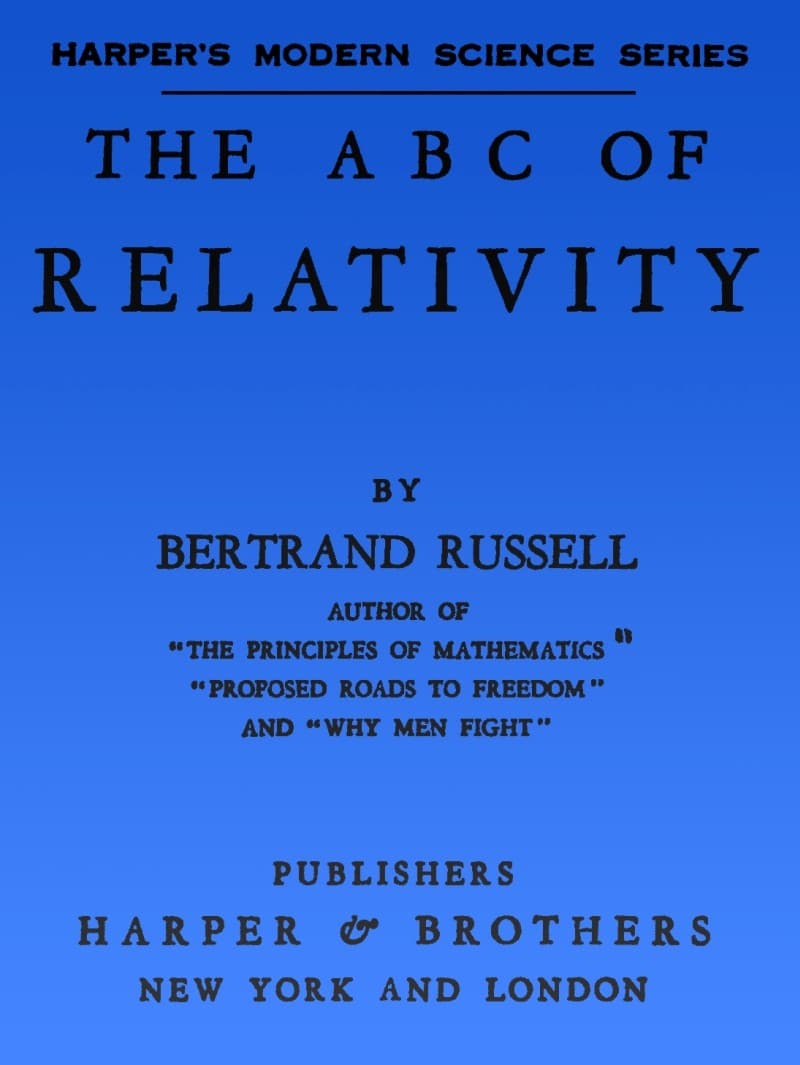

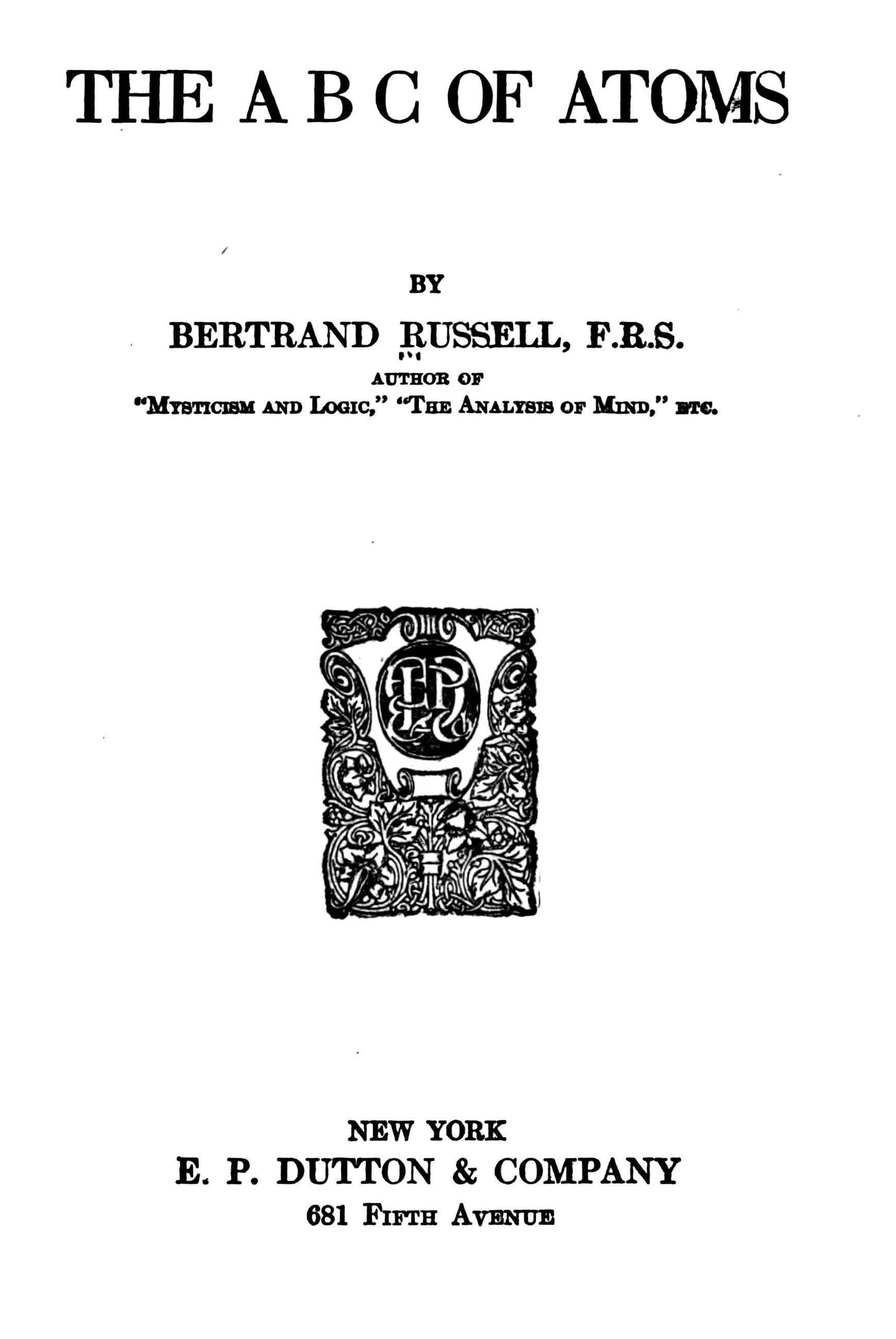





Link to this page
Add a free, dofollow link to Lex on your blog, forum, syllabus, or reading list.

<a href="https://lex-books.com/author/bertrand-russell"><img src="https://lex-books.com/badges/read-on-lex.svg" alt="Bertrand Russell on Lex" width="160" height="40"></a>[](https://lex-books.com/author/bertrand-russell)[url=https://lex-books.com/author/bertrand-russell][img]https://lex-books.com/badges/read-on-lex.svg[/img][/url]Bertrand Russell on Lex: https://lex-books.com/author/bertrand-russell