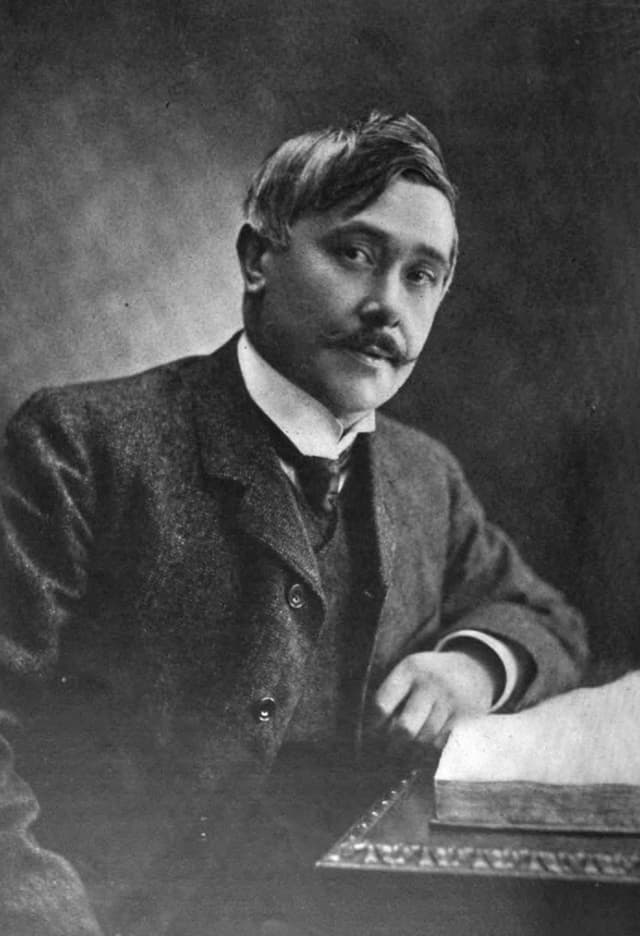
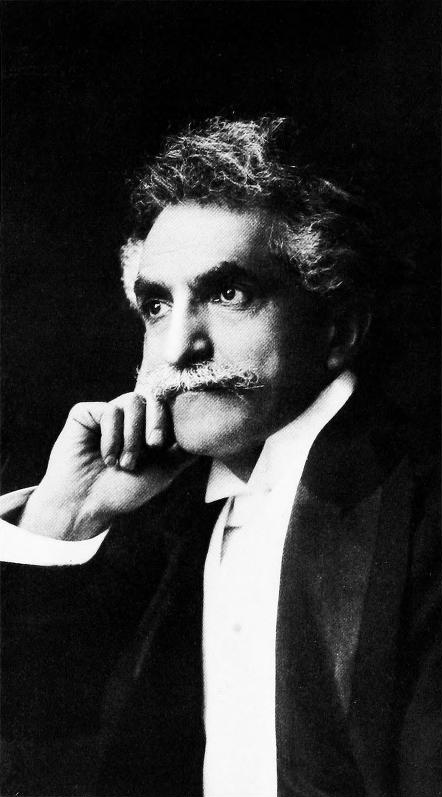
Maurice Maeterlinck
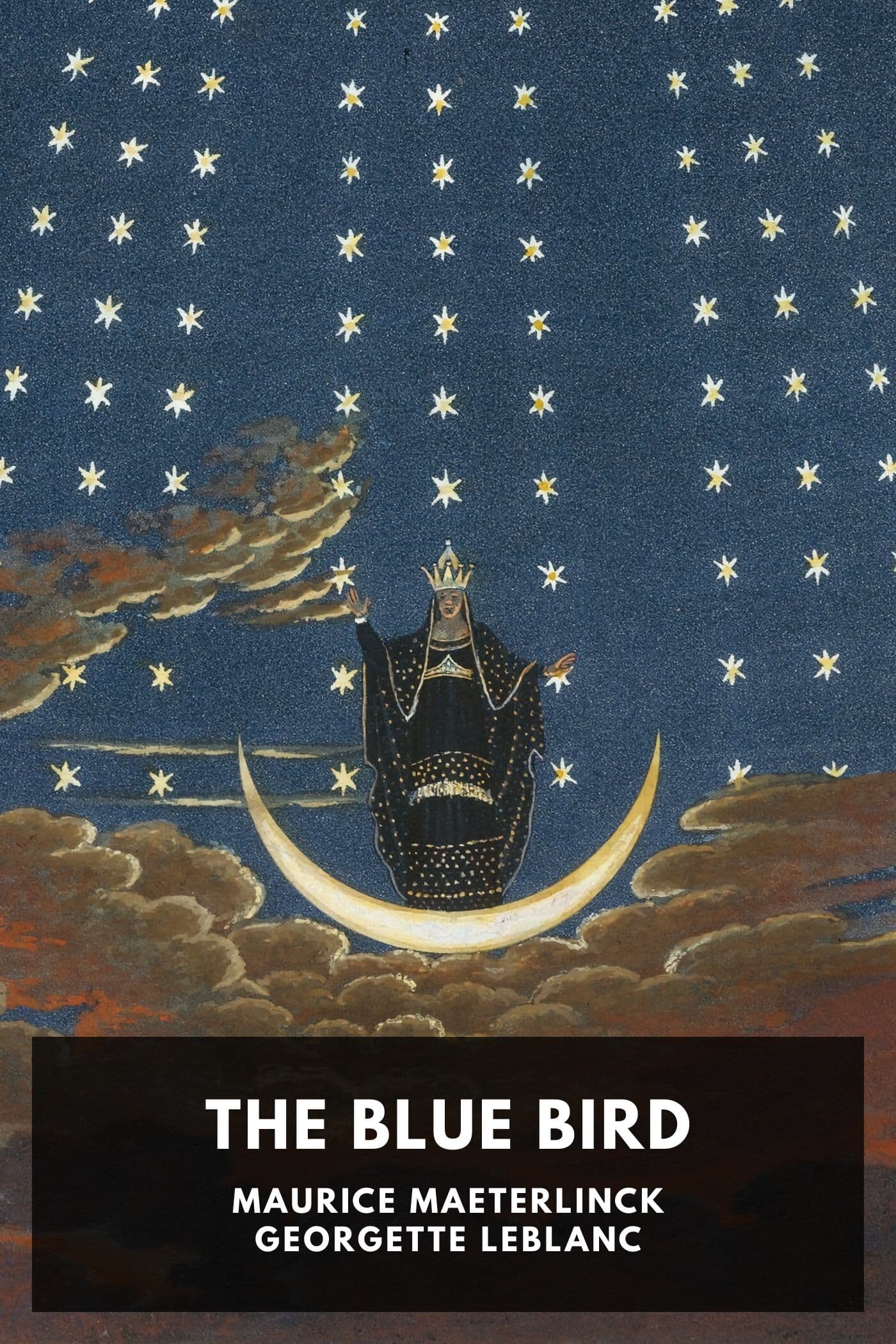
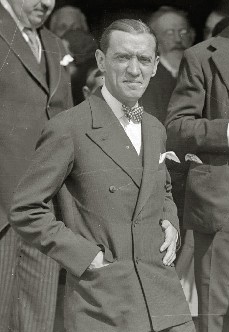
Maurice Maeterlinck was a Belgian playwright, poet, and essayist, notable for his contributions to the Symbolist movement. Writing primarily in French despite his Flemish heritage, he became a prominent figure in the literary landscape of the early 20th century. Maeterlinck's works often explored profound themes such as death and the search for meaning in life, encapsulating these ideas in a style that blended poetic imagination with a fairy-tale quality. His most acclaimed plays, including 'Pelléas et Mélisande' and 'The Blue Bird,' showcased his ability to evoke deep emotional responses and stimulate the imagination of his audience, earning him the Nobel Prize in Literature in 1911. As a leading member of the literary group La Jeune Belgique, Maeterlinck's influence extended beyond his own works, shaping the direction of modern drama and poetry. His unique approach to storytelling and thematic exploration marked a significant departure from traditional narratives, allowing for a more introspective and symbolic interpretation of human experience. Despite facing accusations of plagiarism later in life, Maeterlinck's legacy endures, as his writings continue to inspire and provoke thought about the mysteries of existence and the human condition.
Famous Quotes
View all 3 quotes“If the bee disappeared off the face of the earth, man would only have four years left to live.”
“When we lose one we love, our bitterest tears are called forth by the memory of hours when we loved not enough.”
“All our knowledge merely helps us to die a more painful death than the animals that know nothing.”
Books from the author





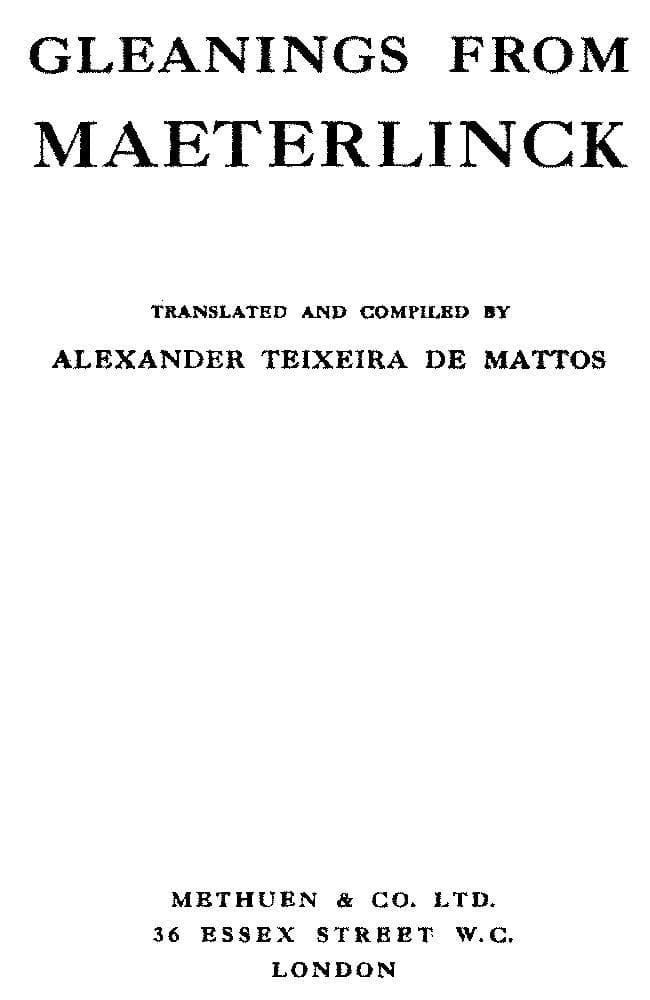
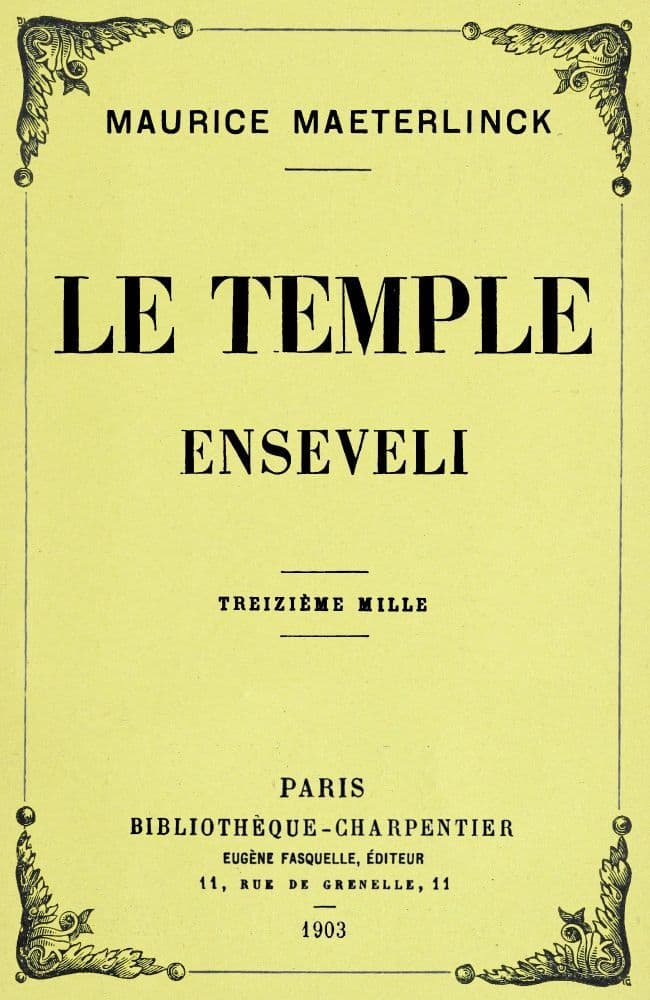
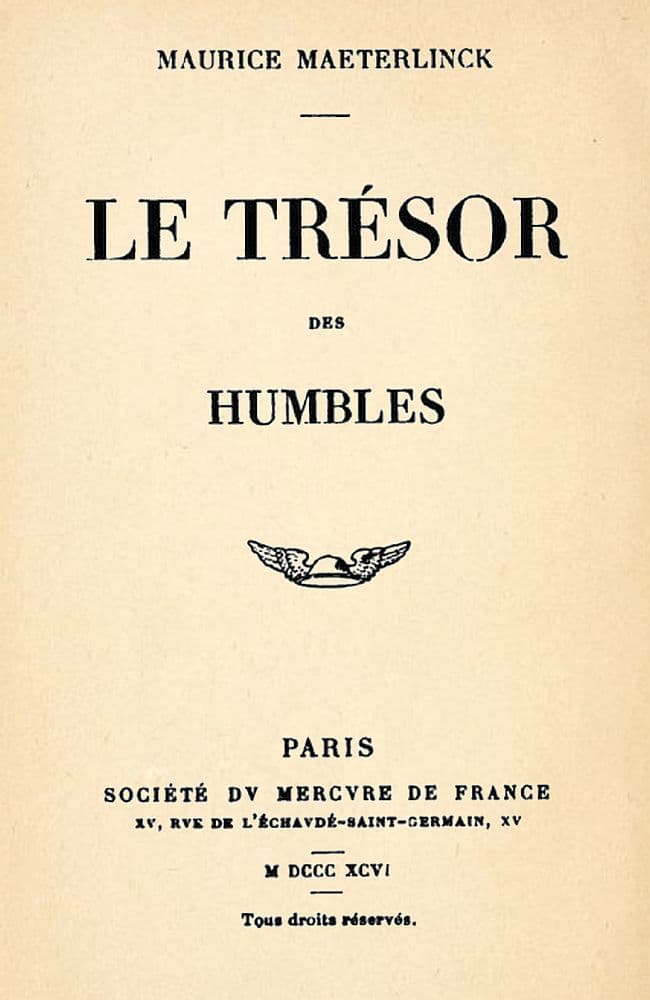

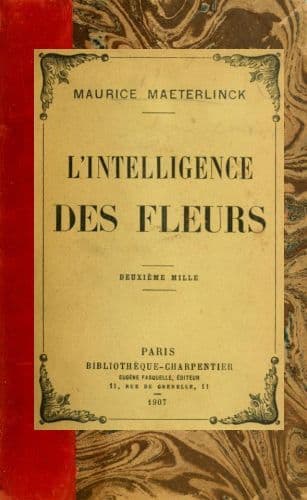







Link to this page
Add a free, dofollow link to Lex on your blog, forum, syllabus, or reading list.

<a href="https://lex-books.com/author/maurice-maeterlinck"><img src="https://lex-books.com/badges/read-on-lex.svg" alt="Maurice Maeterlinck on Lex" width="160" height="40"></a>[](https://lex-books.com/author/maurice-maeterlinck)[url=https://lex-books.com/author/maurice-maeterlinck][img]https://lex-books.com/badges/read-on-lex.svg[/img][/url]Maurice Maeterlinck on Lex: https://lex-books.com/author/maurice-maeterlinck