
Miguel de Unamuno
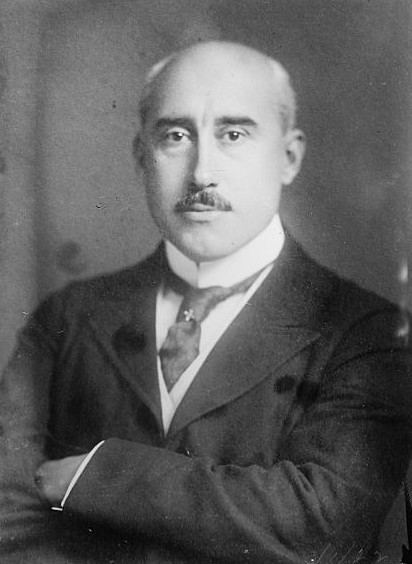
Miguel de Unamuno was a multifaceted Spanish intellectual known for his profound contributions to literature and philosophy. Born in Bilbao, he became a prominent figure in the Generation of '98, a group of writers and thinkers who sought to address Spain's cultural and political crises following the loss of its colonies. Unamuno's work often grappled with themes of existentialism, identity, and the human condition, reflecting his own struggles with faith and doubt. His philosophical essay, The Tragic Sense of Life (1912), is particularly notable for its exploration of the conflict between reason and faith, establishing him as a significant voice in modern philosophy. In addition to his essays, Unamuno's literary output includes influential novels such as Abel Sánchez: The History of a Passion (1917), which offers a modern interpretation of the biblical Cain and Abel story, and Mist (1914), recognized as a landmark of Spanish Modernism. His works often challenged conventional narratives and delved into the complexities of human emotion and morality. Unamuno's legacy endures through his innovative approach to literature and philosophy, influencing generations of writers and thinkers in Spain and beyond, as he navigated the turbulent waters of identity, existence, and the search for meaning in a changing world.
Famous Quotes
View all 3 quotes“Only he who attempts the absurd is capable of achieving the impossible.”
“At times to be silent is to lie. You will win because you have enough brute force. But you will not convince. For to convince you need to persuade. And in order to persuade you would need what you lack: Reason and Right”
“Life is doubt, And faith without doubt is nothing but death.”
Books from the author












Link to this page
Add a free, dofollow link to Lex on your blog, forum, syllabus, or reading list.

<a href="https://lex-books.com/author/miguel-de-unamuno"><img src="https://lex-books.com/badges/read-on-lex.svg" alt="Miguel de Unamuno on Lex" width="160" height="40"></a>[](https://lex-books.com/author/miguel-de-unamuno)[url=https://lex-books.com/author/miguel-de-unamuno][img]https://lex-books.com/badges/read-on-lex.svg[/img][/url]Miguel de Unamuno on Lex: https://lex-books.com/author/miguel-de-unamuno