The Practice and Theory of Bolshevism

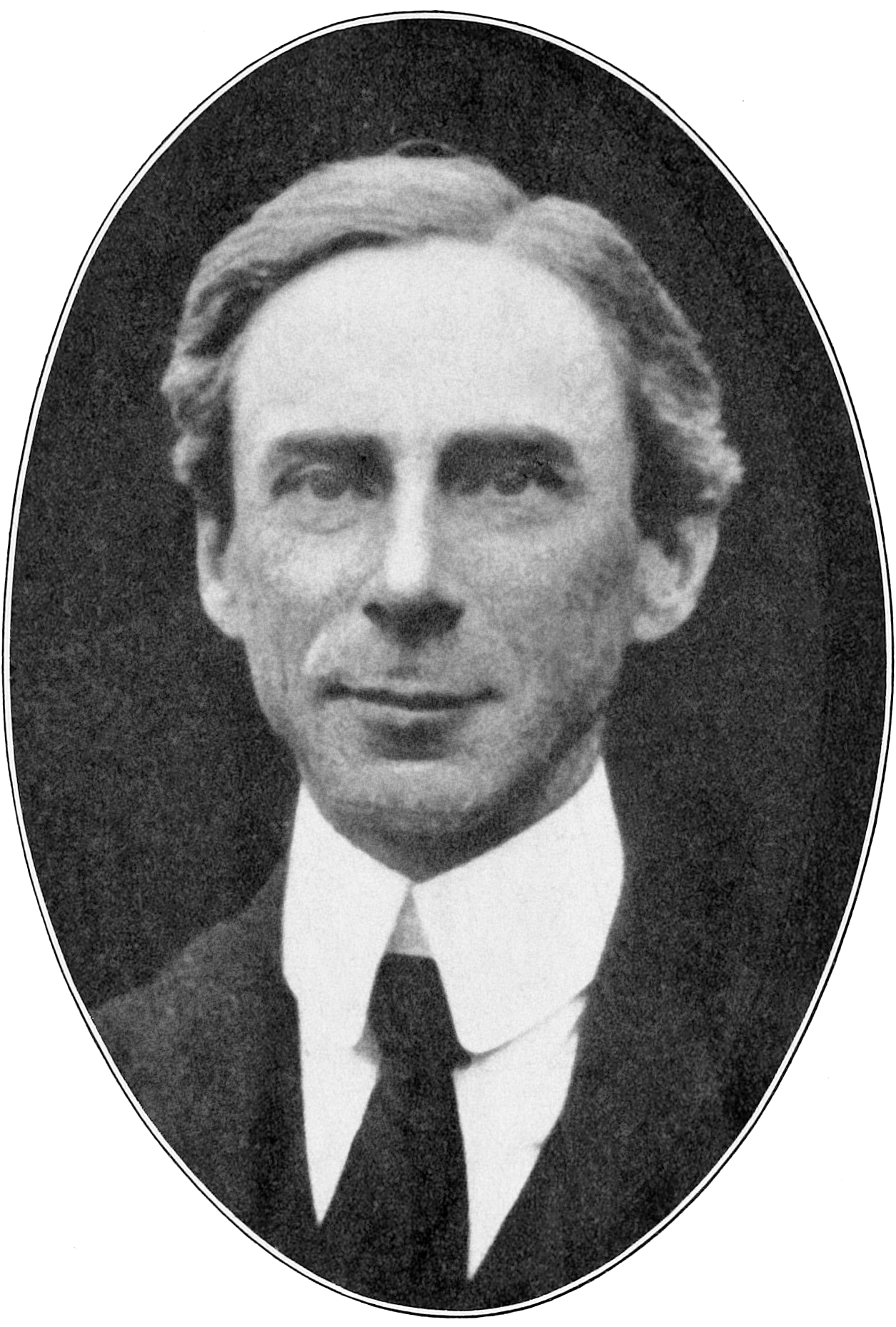
In 1920, the renowned philosopher Bertrand Russell embarked on a journey to the nascent Soviet Union, a land ravaged by civil war and economic blockade, to witness the Bolshevik experiment firsthand. His resulting account, *The Practice and Theory of Bolshevism*, offers a piercing, immediate look at post-revolutionary Russia, detailing his travels through starving cities and the countryside, and his candid, often tense, encounters with figures like Lenin. Russell dissects the harsh realities of a state resorting to increasingly autocratic methods to maintain control amidst widespread suffering, questioning the very foundations of the communist project as it was being implemented. Russell's work is far more than a travelogue; it's a foundational text in political philosophy, grappling with the tension between revolutionary ideals and their practical, often brutal, execution. Written with the incisive intellect and moral clarity characteristic of Russell, it critiques the fanaticism he observed and outlines the conditions he believed essential for any truly successful communist society—a vision starkly at odds with the emerging Soviet reality. This book remains an indispensable, prescient examination of power, ideology, and human nature under duress, offering timeless lessons on the perils of utopian ambition.
Editions

X-Ray
The author and narrator, a British philosopher and mathematician who visited Soviet Russia in 1920. He approaches Bolshevism with initial sympathy but growing skepticism, offering a critical analysis based on firsthand observation.
Leader of the Bolshevik Revolution and head of the Soviet state. Russell portrays him as dogmatically committed to Marxist theory, lacking in psychological imagination, but personally honest and ascetic.
Bolshevik leader and head of the Red Army. Russell describes him as more personally impressive than Lenin, with magnetic personality and military bearing, but questions the depth of his Communist conviction.
Russian writer and intellectual who supports the Bolshevik government reluctantly. Russell finds him the most sympathetic figure, heartbroken by Russia's suffering but believing the alternatives to Bolshevism are worse.
About The Practice and Theory of Bolshevism
Chapter Summaries
- Preface
- Russell outlines his approach to analyzing Bolshevism, acknowledging its heroic aspects while expressing skepticism about its methods. He explains his belief that Communism is necessary but that Bolshevik methods are unlikely to achieve it successfully.
- 1
- Russell describes the hope that Bolshevism has created among the oppressed, comparing it to early Christianity. He argues that understanding this hope is essential to understanding the movement, even while he personally cannot share it.
- 2
- Russell recounts his journey to Russia and initial impressions of the Bolshevik system. He describes the royal treatment given to foreign visitors and his efforts to see beyond the propaganda to understand ordinary Russian life.
Key Themes
- The Corruption of Revolutionary Ideals
- Russell argues that the noble goals of Communism are being corrupted by the harsh methods employed to achieve them. The dictatorship meant to be temporary becomes entrenched, and the means begin to contradict the ends.
- Economic Determinism vs. Human Psychology
- Russell critiques Marx's materialist conception of history, arguing that non-economic factors like nationalism, religion, and the desire for power play crucial roles that Marxist theory fails to adequately account for.
- Democracy vs. Dictatorship
- The book explores whether democratic methods can achieve socialist goals or whether revolutionary dictatorship is necessary, ultimately arguing that violence and minority rule corrupt the very ideals they claim to serve.
Characters
- Bertrand Russell(protagonist)
- The author and narrator, a British philosopher and mathematician who visited Soviet Russia in 1920. He approaches Bolshevism with initial sympathy but growing skepticism, offering a critical analysis based on firsthand observation.
- Vladimir Lenin(major)
- Leader of the Bolshevik Revolution and head of the Soviet state. Russell portrays him as dogmatically committed to Marxist theory, lacking in psychological imagination, but personally honest and ascetic.
- Leon Trotsky(major)
- Bolshevik leader and head of the Red Army. Russell describes him as more personally impressive than Lenin, with magnetic personality and military bearing, but questions the depth of his Communist conviction.
- Maxim Gorky(major)
- Russian writer and intellectual who supports the Bolshevik government reluctantly. Russell finds him the most sympathetic figure, heartbroken by Russia's suffering but believing the alternatives to Bolshevism are worse.
- Lev Kamenev(minor)
- President of the Moscow Soviet and Communist Party member. Russell spent time with him in the country and found him representative of the Bolshevik bureaucracy.
- British Labour Delegation(minor)
- Group of British socialists visiting Russia with whom Russell traveled. They represent Western socialist sympathy for the Bolshevik experiment.
Link to this book
Add a free, dofollow link to Lex on your blog, forum, syllabus, or reading list.

<a href="https://lex-books.com/book/the-practice-and-theory-of-bolshevism-419bb7aa-ba33-44b1-b00f-bed6d7275c0e"><img src="https://lex-books.com/badges/read-on-lex.svg" alt="Read The Practice and Theory of Bolshevism by Bertrand Russell free on Lex" width="160" height="40"></a>[](https://lex-books.com/book/the-practice-and-theory-of-bolshevism-419bb7aa-ba33-44b1-b00f-bed6d7275c0e)[url=https://lex-books.com/book/the-practice-and-theory-of-bolshevism-419bb7aa-ba33-44b1-b00f-bed6d7275c0e][img]https://lex-books.com/badges/read-on-lex.svg[/img][/url]Read The Practice and Theory of Bolshevism by Bertrand Russell free on Lex: https://lex-books.com/book/the-practice-and-theory-of-bolshevism-419bb7aa-ba33-44b1-b00f-bed6d7275c0eCite this book
Reading this edition for a paper or guide? Copy a citation.
Russell, Bertrand. The Practice and Theory of Bolshevism. Lex, lex-books.com/book/the-practice-and-theory-of-bolshevism-419bb7aa-ba33-44b1-b00f-bed6d7275c0e.Russell, B. (n.d.). The Practice and Theory of Bolshevism. Lex. https://lex-books.com/book/the-practice-and-theory-of-bolshevism-419bb7aa-ba33-44b1-b00f-bed6d7275c0eRussell, Bertrand. The Practice and Theory of Bolshevism. Lex. https://lex-books.com/book/the-practice-and-theory-of-bolshevism-419bb7aa-ba33-44b1-b00f-bed6d7275c0e.