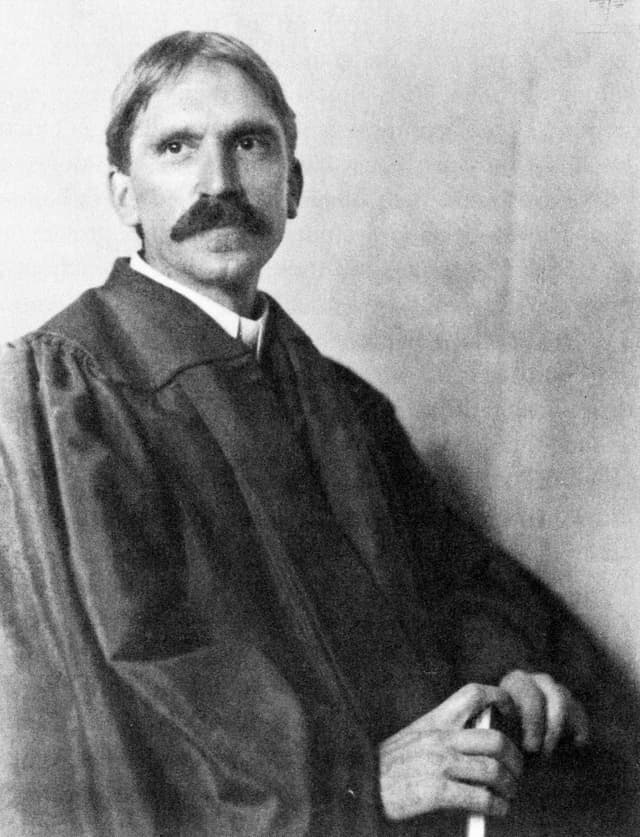
John Dewey
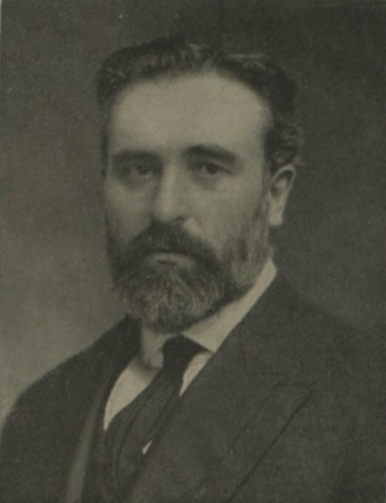
John Dewey was an influential American philosopher, psychologist, and educational reformer, recognized as one of the foremost scholars of the early twentieth century. His work centered on the ideals of democracy, which he believed were essential not only in politics but also in education and communication. Dewey's conviction that democracy and the ethical ideal of humanity were synonymous shaped his approach to reforming schools and civil society. He argued that true democracy required not only the extension of voting rights but also the cultivation of informed public opinion through dialogue among citizens, experts, and politicians. A pivotal figure in the philosophy of pragmatism, Dewey contributed significantly to the development of functional psychology. His seminal paper, "The Reflex Arc Concept in Psychology," published in 1896, marked a foundational moment in the Chicago functionalist school of psychology. Dewey's ideas have had a lasting impact on educational practices and democratic theory, emphasizing the importance of experiential learning and critical thinking. His legacy continues to influence contemporary discussions on education and civic engagement, solidifying his place as a key thinker in American intellectual history.
Famous Quotes
View all 20 quotes“We do not learn from experience... we learn from reflecting on experience.””
“Education is not preparation for life; education is life itself.””
“Failure is instructive. The person who really thinks learns quite as much from his failures as from his successes.””
Books from the author

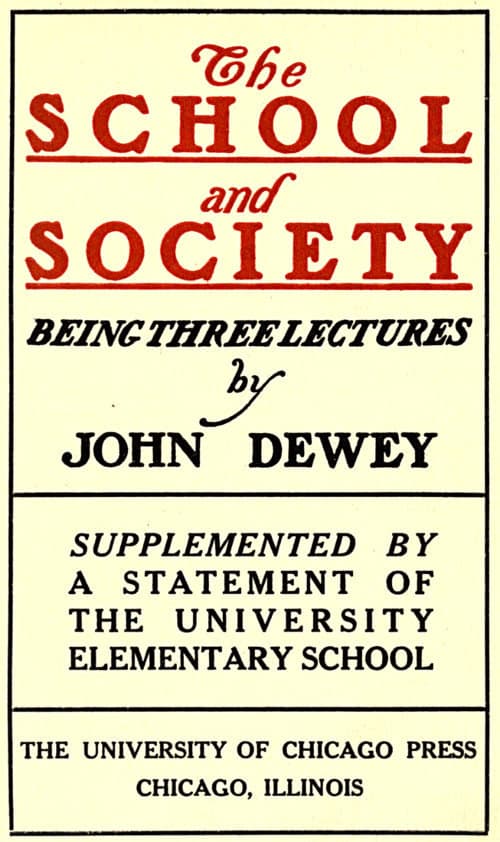

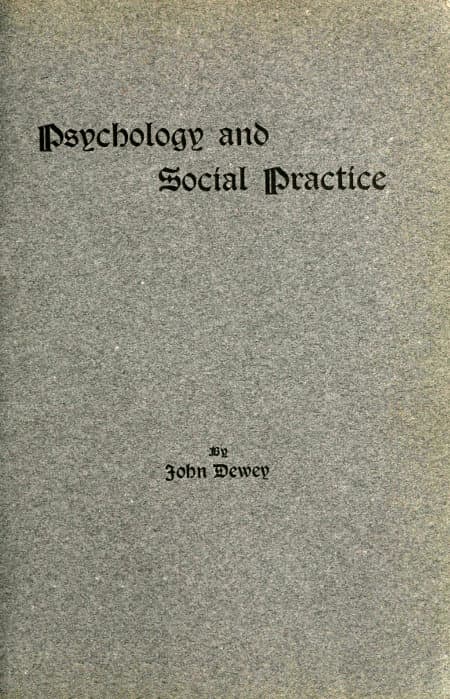
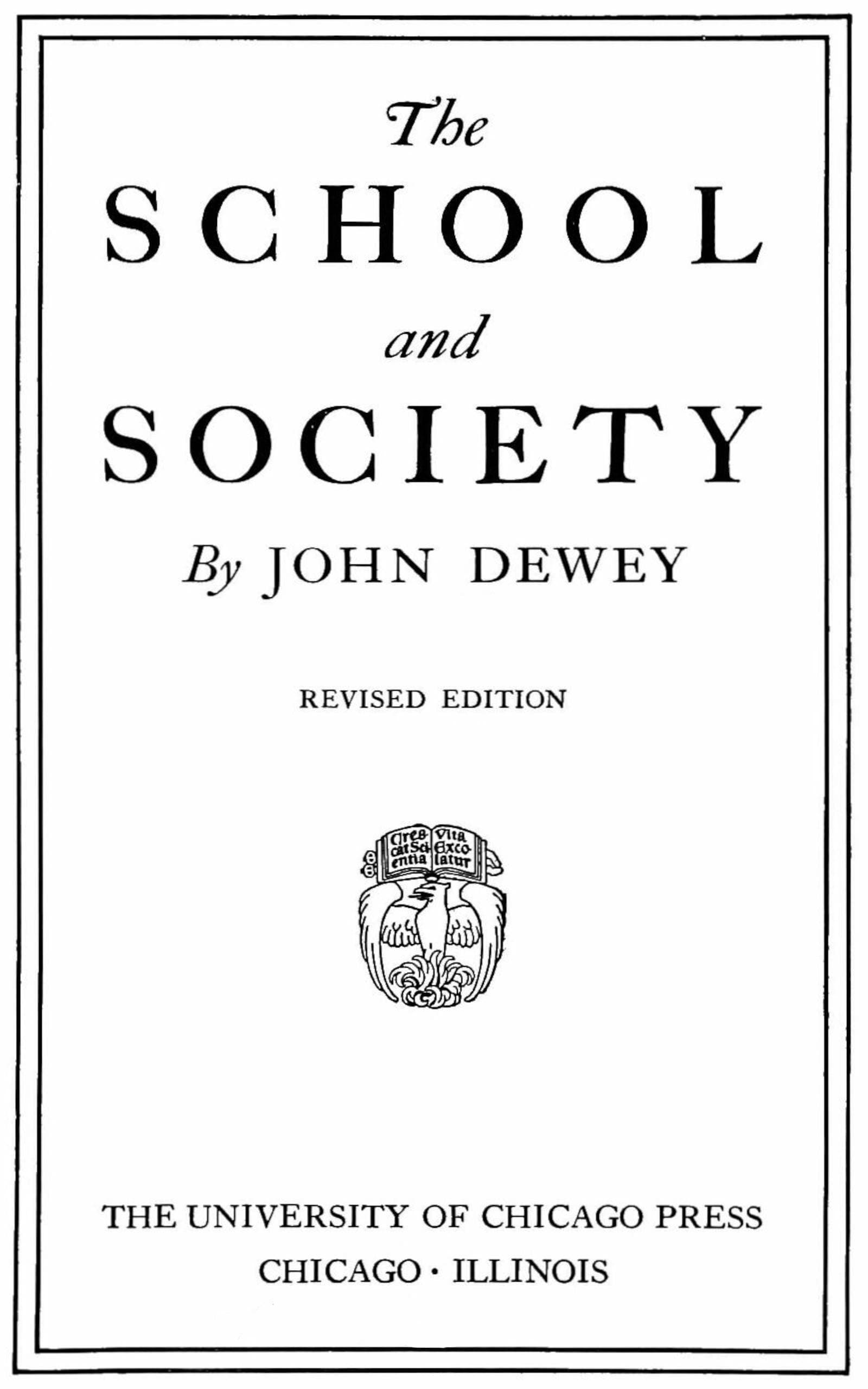





Link to this page
Add a free, dofollow link to Lex on your blog, forum, syllabus, or reading list.

<a href="https://lex-books.com/author/john-dewey"><img src="https://lex-books.com/badges/read-on-lex.svg" alt="John Dewey on Lex" width="160" height="40"></a>[](https://lex-books.com/author/john-dewey)[url=https://lex-books.com/author/john-dewey][img]https://lex-books.com/badges/read-on-lex.svg[/img][/url]John Dewey on Lex: https://lex-books.com/author/john-dewey