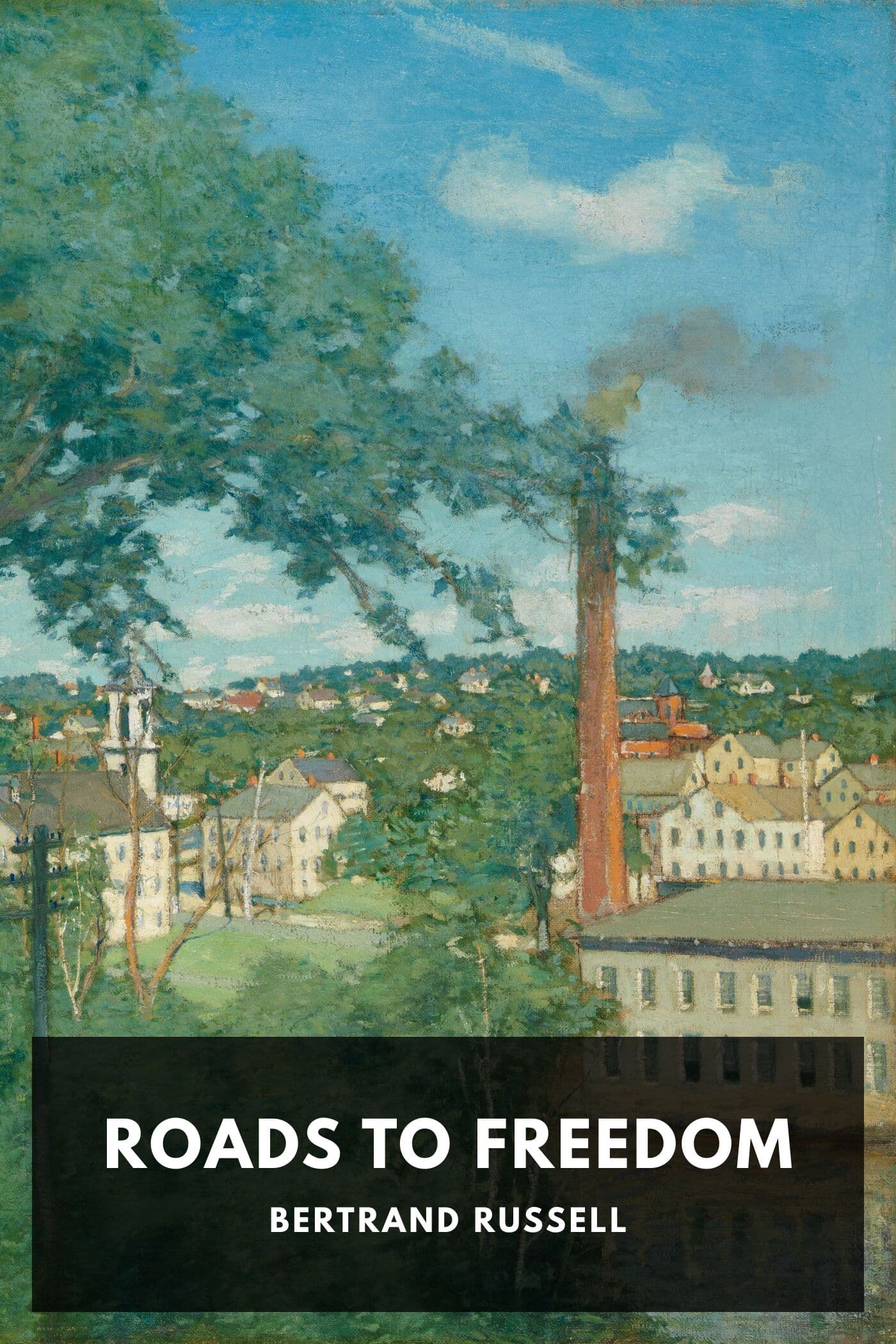
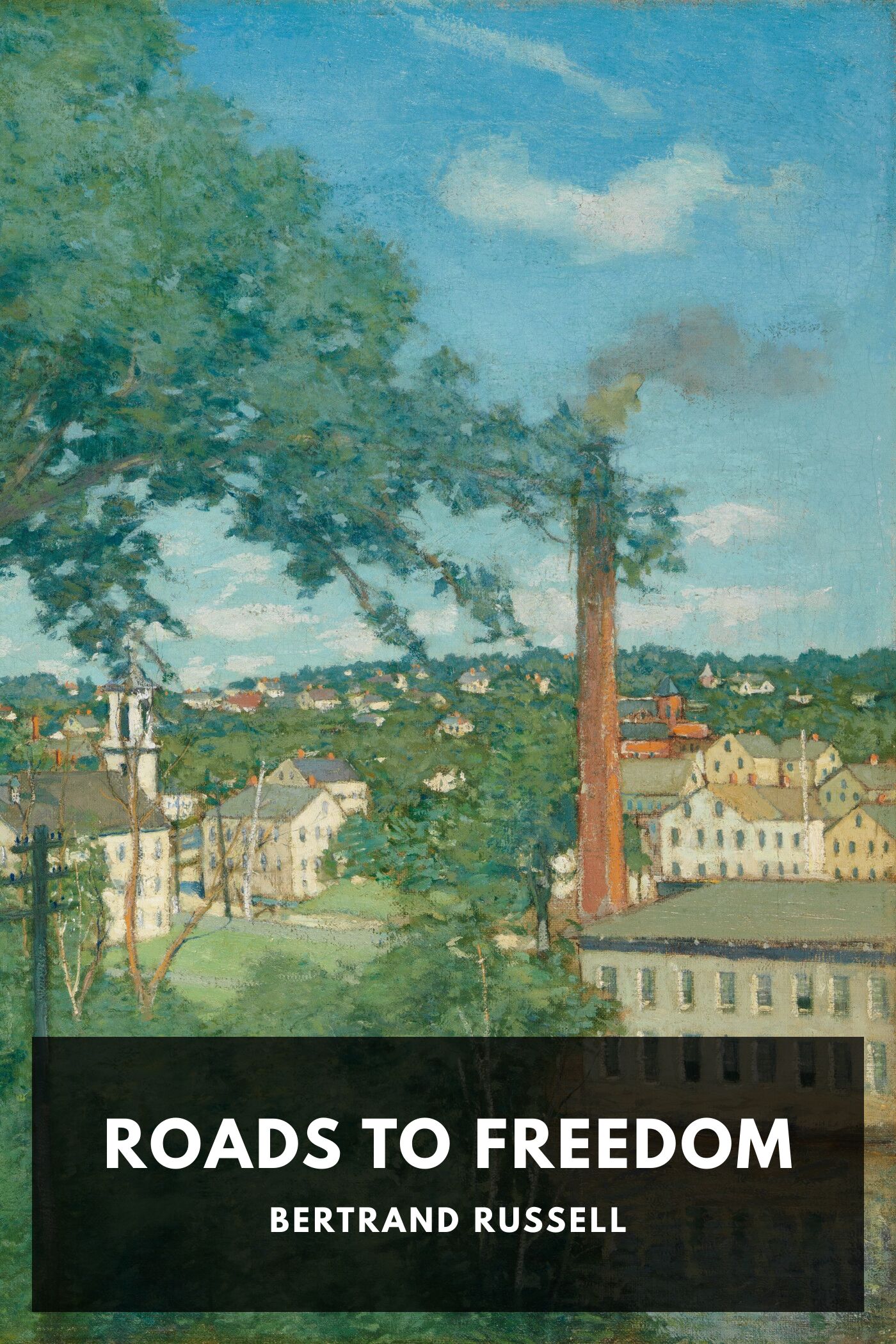
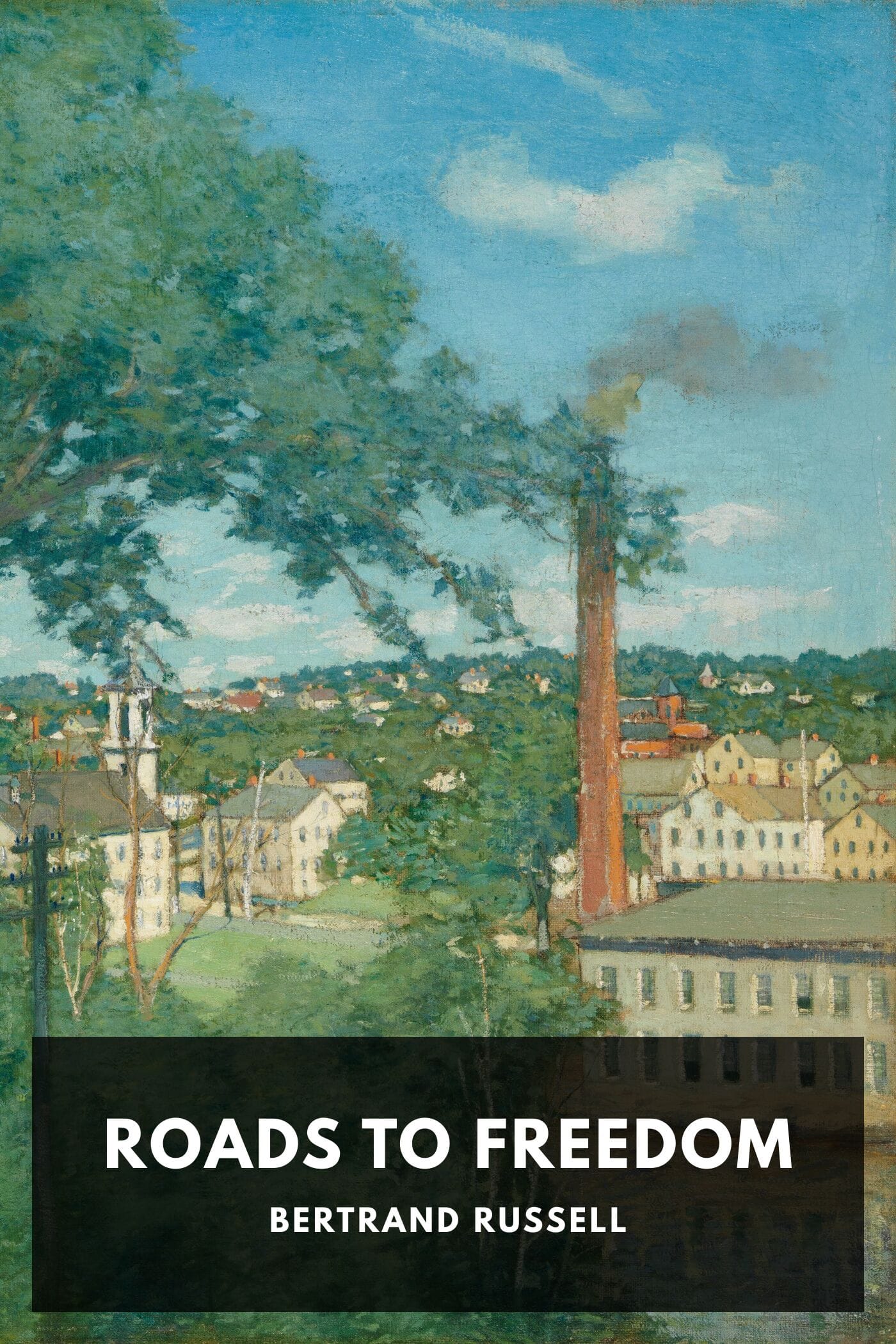
Roads to Freedom
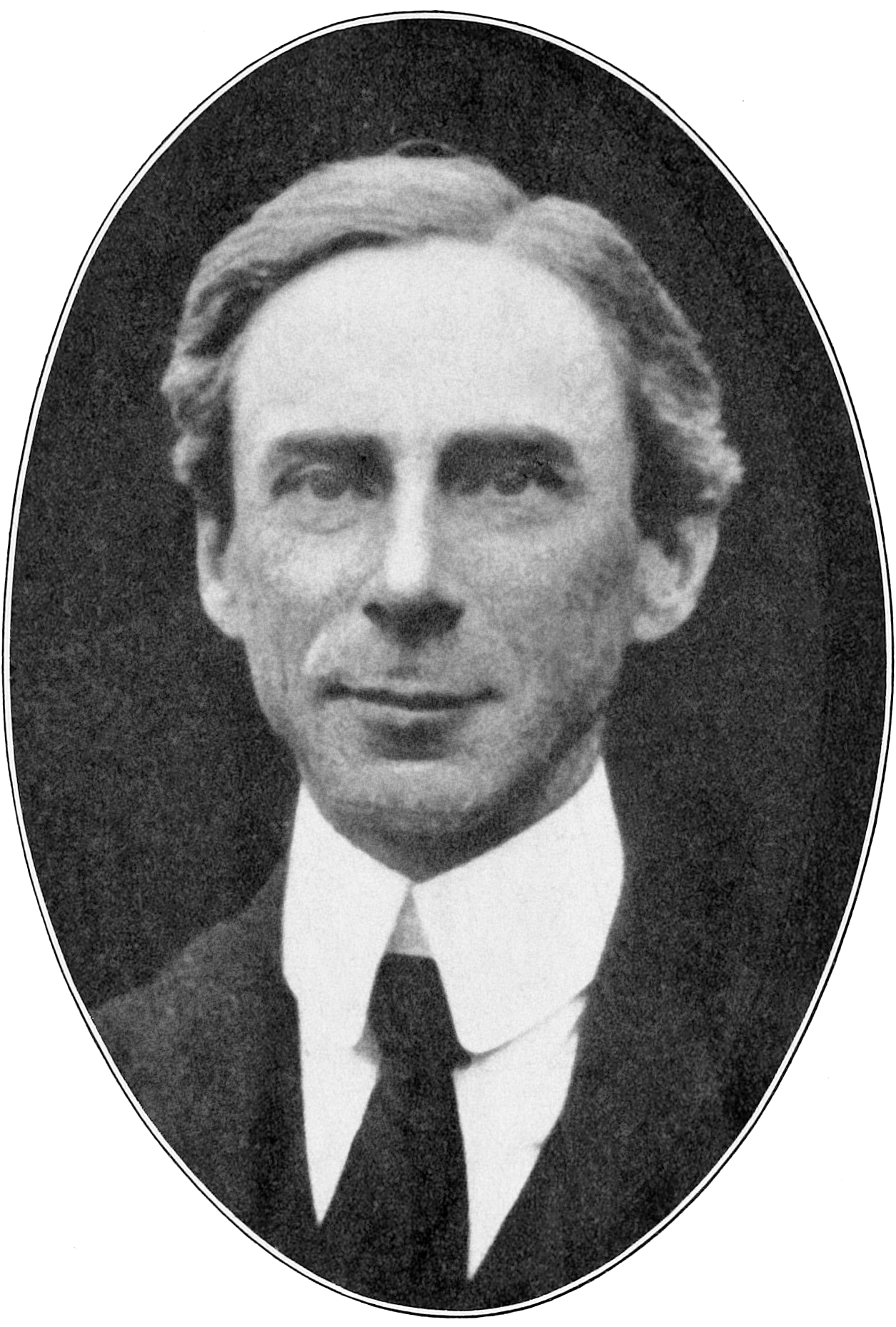
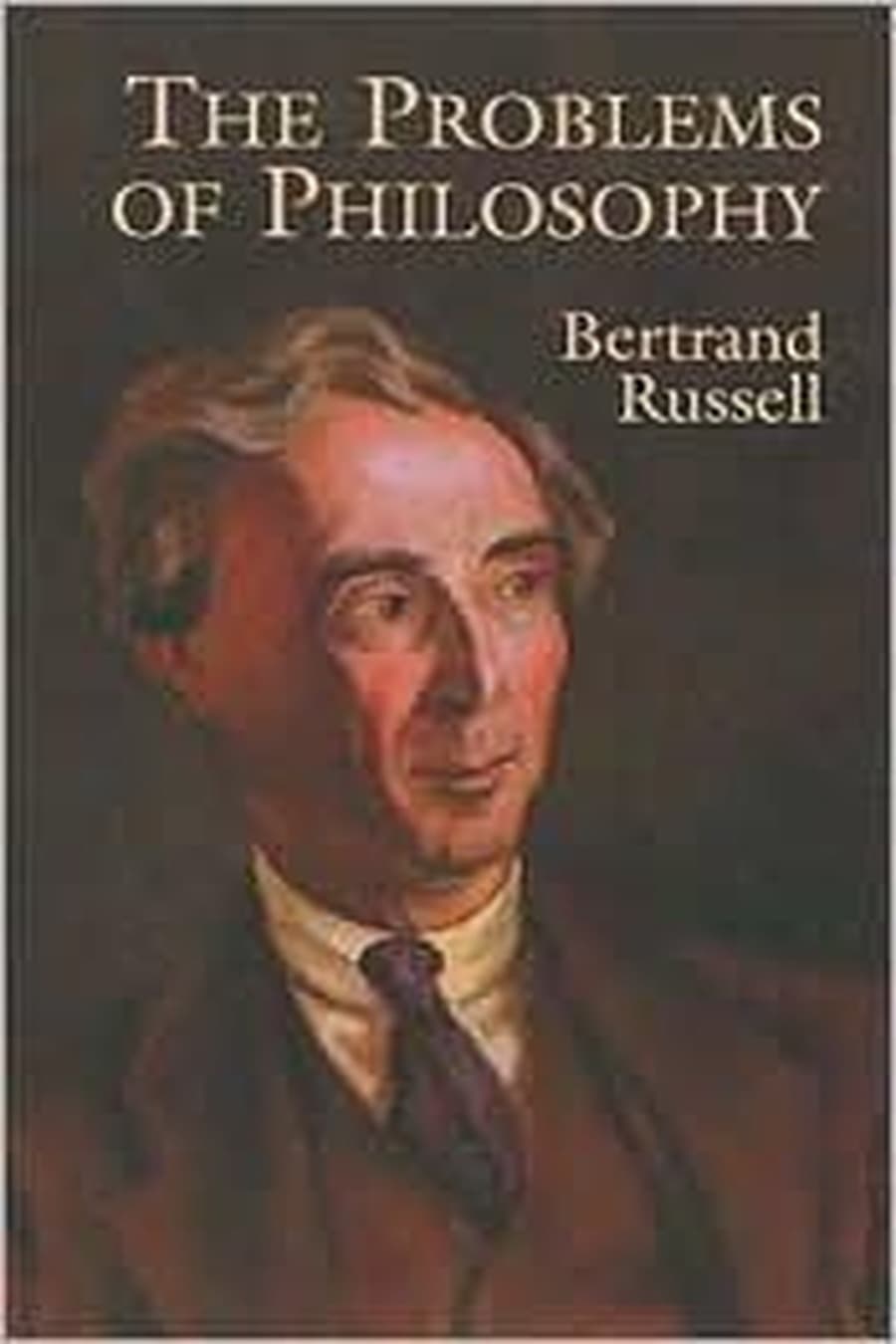
Bertrand Russell, writing in the shadow of the Great War, meticulously dissects the competing visions for a post-capitalist world in *Roads to Freedom*. He unfurls the historical tapestries of State Socialism (Marxism), Anarchism, and Syndicalism, not merely as academic exercises but as blueprints for societal transformation. Russell then subjects each ideology to a rigorous thought experiment, probing their practicality across a spectrum of human concerns: from economic organization and crime to international relations and the flourishing of art and science. His analysis culminates in a compelling argument for a hybrid — a Guild Socialism infused with anarchist principles, particularly the radical notion of universal provision of basic needs. More than a historical survey, Russell's work remains a vibrant testament to the enduring quest for a more just and equitable society. His characteristic clarity and intellectual honesty cut through ideological dogma, offering a nuanced critique that avoids both uncritical embrace and outright dismissal. *Roads to Freedom* isn't just an exploration of early 20th-century socialist thought; it's a masterclass in applying philosophical rigor to urgent political questions, urging readers to consider not just *what* an ideal society looks like, but *how* it might actually function, and what compromises are necessary to achieve true freedom.
Editions
X-Ray
German philosopher and economist, founder of modern socialism. Born 1818, developed materialistic interpretation of history and theory of class war.
Marx's collaborator and co-author of the Communist Manifesto. Had business experience in Manchester and knowledge of English socialism.
Russian aristocrat and founder of anarchist communism. Born 1814, spent years in prison, advocated abolition of the state and direct action.
Russian aristocrat and anarchist theorist who developed Bakunin's ideas. Wrote extensively on production methods and anarchist society.
About Roads to Freedom
Chapter Summaries
- Introduction
- Russell introduces the historical development of socialist and anarchist thought, explaining how these movements arose from idealistic visions combined with practical political organization. He discusses the psychology of political idealists and their tendency toward sectarian hatred.
- I
- Detailed examination of Marx's life, ideas, and influence, including the materialistic interpretation of history, concentration of capital, and class war. Russell analyzes the Communist Manifesto and Capital, while noting how later developments diverged from Marx's predictions.
- II
- Russell traces Bakunin's dramatic life from Russian aristocrat to revolutionary anarchist, his conflicts with Marx in the International, and his advocacy for abolishing the state. The chapter also covers Kropotkin's development of anarchist theory.
Key Themes
- Freedom vs. Authority
- Russell explores the tension between individual liberty and collective organization, arguing that true freedom requires limiting both state power and capitalist exploitation.
- Economic Justice
- The book examines how different economic systems affect human welfare, advocating for communal ownership while warning against excessive state control.
- The Nature of Work
- Russell analyzes how work could be transformed from drudgery into creative fulfillment through proper organization and reduced hours.
Characters
- Karl Marx(major)
- German philosopher and economist, founder of modern socialism. Born 1818, developed materialistic interpretation of history and theory of class war.
- Friedrich Engels(major)
- Marx's collaborator and co-author of the Communist Manifesto. Had business experience in Manchester and knowledge of English socialism.
- Mikhail Bakunin(major)
- Russian aristocrat and founder of anarchist communism. Born 1814, spent years in prison, advocated abolition of the state and direct action.
- Peter Kropotkin(major)
- Russian aristocrat and anarchist theorist who developed Bakunin's ideas. Wrote extensively on production methods and anarchist society.
- Bertrand Russell(protagonist)
- The author and narrator, British philosopher analyzing different socialist and anarchist movements. Advocates for Guild Socialism as the best system.
- Eduard Bernstein(minor)
- German Socialist who led the 'Revisionist' movement, criticizing orthodox Marxism and advocating evolutionary rather than revolutionary change.
Link to this book
Add a free, dofollow link to Lex on your blog, forum, syllabus, or reading list.

<a href="https://lex-books.com/book/roads-to-freedom-d4c60c77-8f18-4d97-b00d-3defa377eeb7"><img src="https://lex-books.com/badges/read-on-lex.svg" alt="Read Roads to Freedom by Bertrand Russell free on Lex" width="160" height="40"></a>[](https://lex-books.com/book/roads-to-freedom-d4c60c77-8f18-4d97-b00d-3defa377eeb7)[url=https://lex-books.com/book/roads-to-freedom-d4c60c77-8f18-4d97-b00d-3defa377eeb7][img]https://lex-books.com/badges/read-on-lex.svg[/img][/url]Read Roads to Freedom by Bertrand Russell free on Lex: https://lex-books.com/book/roads-to-freedom-d4c60c77-8f18-4d97-b00d-3defa377eeb7Cite this book
Reading this edition for a paper or guide? Copy a citation.
Russell, Bertrand. Roads to Freedom. Lex, lex-books.com/book/roads-to-freedom-d4c60c77-8f18-4d97-b00d-3defa377eeb7.Russell, B. (n.d.). Roads to Freedom. Lex. https://lex-books.com/book/roads-to-freedom-d4c60c77-8f18-4d97-b00d-3defa377eeb7Russell, Bertrand. Roads to Freedom. Lex. https://lex-books.com/book/roads-to-freedom-d4c60c77-8f18-4d97-b00d-3defa377eeb7.