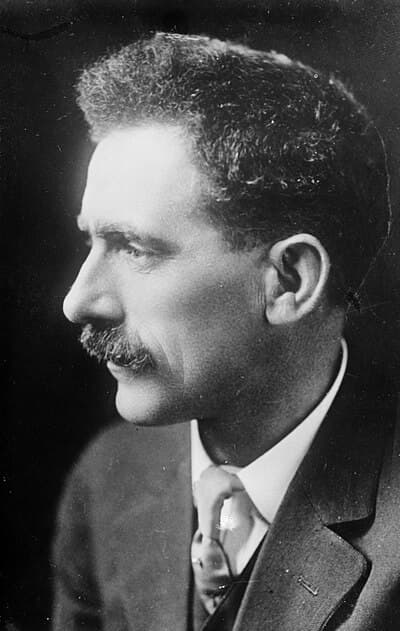
John Spargo
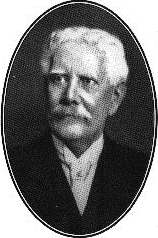
John Spargo was a British political writer whose career evolved from socialist activism to staunch anti-communism. Initially involved with the Socialist Party of America, he sought to reconcile the principles of the Protestant Social Gospel with Marxist socialism, a theme he explored in his work 'Marxian Socialism and Religion: A Study of the Relation of the Marxian Theories to the Fundamental Principles of Religion' (1915). Spargo's early commitment to socialist ideals was evident in his founding of a settlement house in Yonkers, New York, aimed at improving the lives of the working class. However, his political views shifted significantly after 1917, particularly following his support for American involvement in World War I. As his political stance moved to the right, Spargo became a prominent critic of communism, authoring 'Bolshevism: The Enemy of Political and Industrial Democracy' (1919) to denounce the Bolshevik Revolution. He played a crucial role in shaping anti-communist policies during the Wilson administration, including helping draft the Colby Note. Throughout the 1930s and 1950s, he aligned himself with conservative movements, supporting the House Un-American Activities Committee and endorsing figures like Senator Joseph McCarthy and Barry Goldwater. In his later years, Spargo became an authority on the history and crafts of Vermont, reflecting a complex legacy that intertwined social activism with fervent anti-communism.
Famous Quotes
View all 1 quotes“The challenge of Jesus to the individual our Socialist agitator hurls at the nation: What doth it profit a nation if it gains the whole world but loses its own soul?”
Books from the author
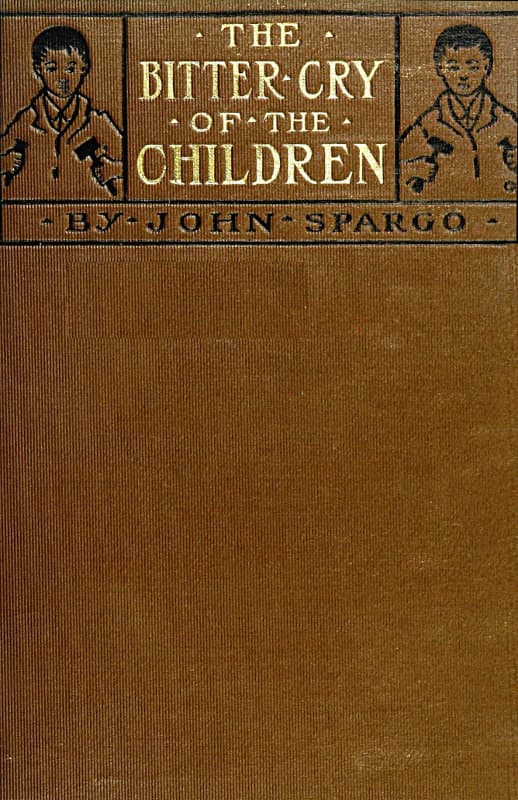
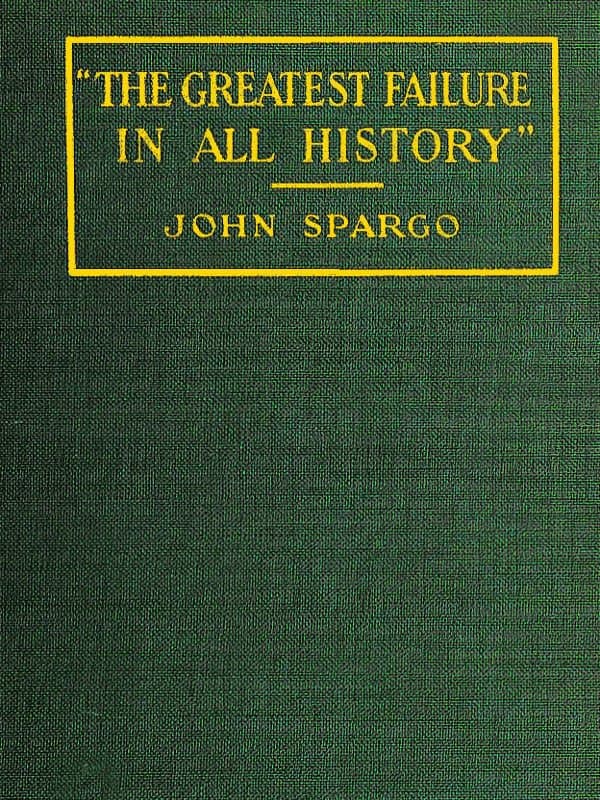









Link to this page
Add a free, dofollow link to Lex on your blog, forum, syllabus, or reading list.

<a href="https://lex-books.com/author/john-spargo"><img src="https://lex-books.com/badges/read-on-lex.svg" alt="John Spargo on Lex" width="160" height="40"></a>[](https://lex-books.com/author/john-spargo)[url=https://lex-books.com/author/john-spargo][img]https://lex-books.com/badges/read-on-lex.svg[/img][/url]John Spargo on Lex: https://lex-books.com/author/john-spargo