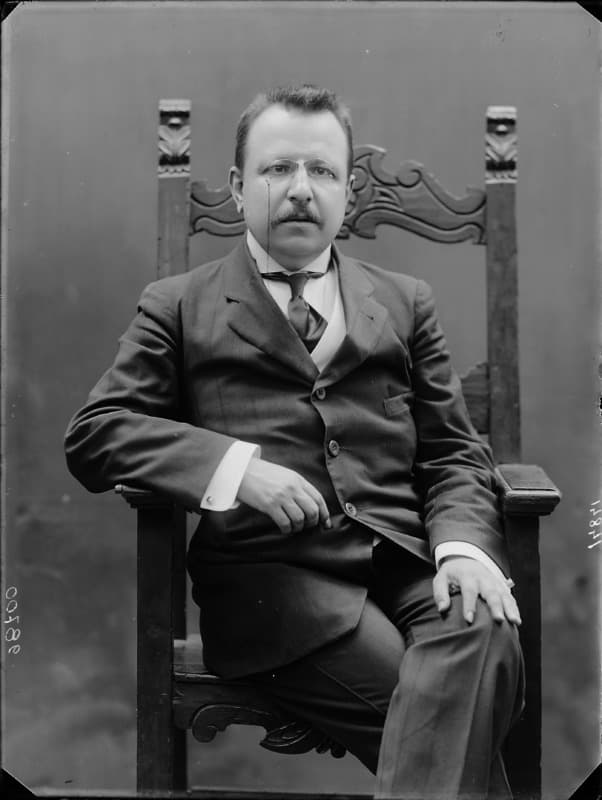
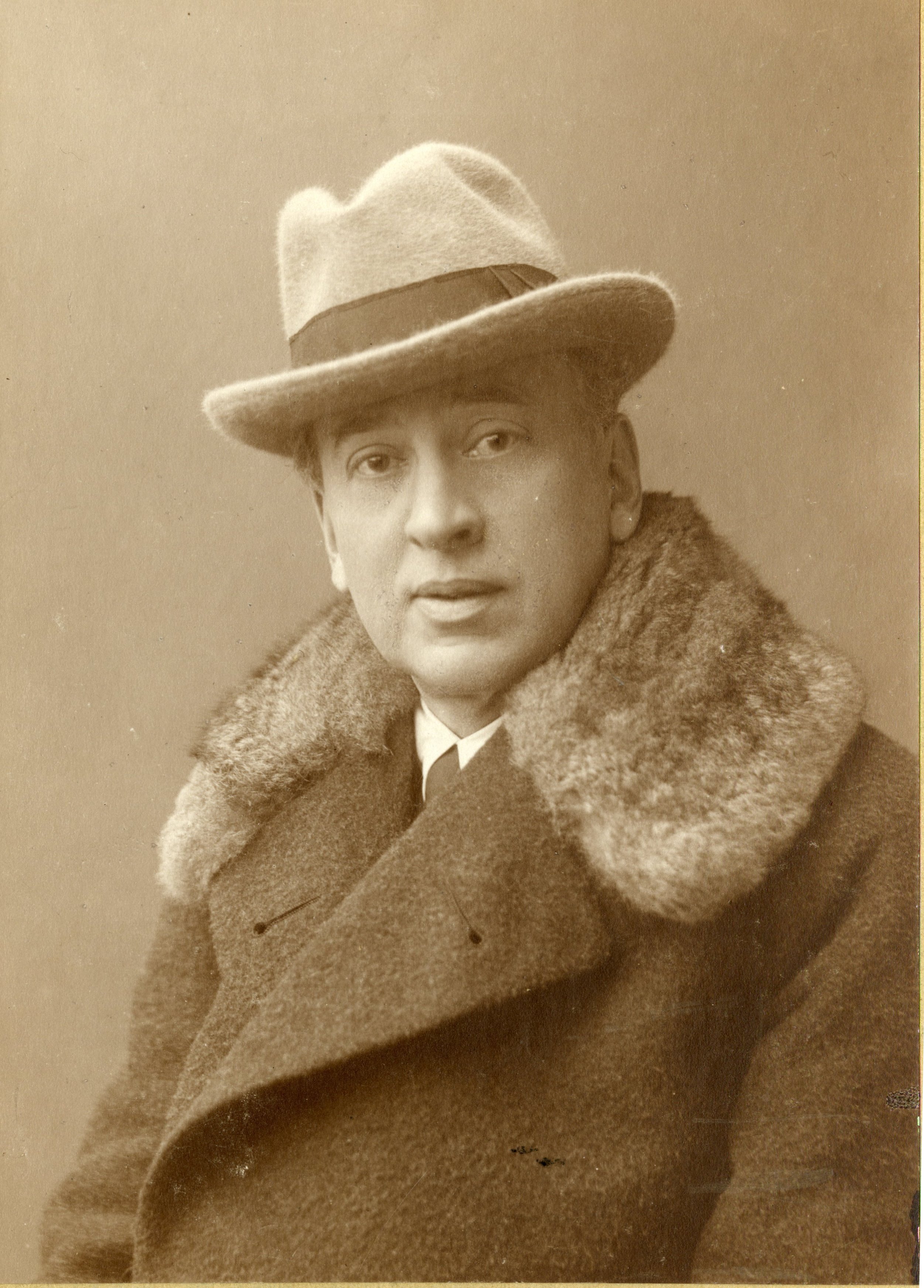
Benedetto Croce
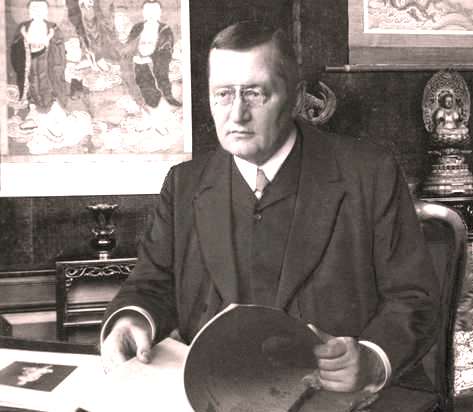
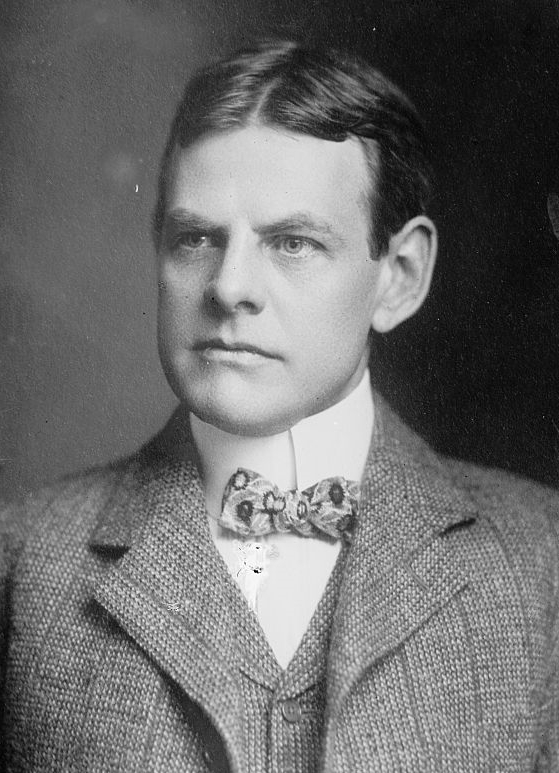
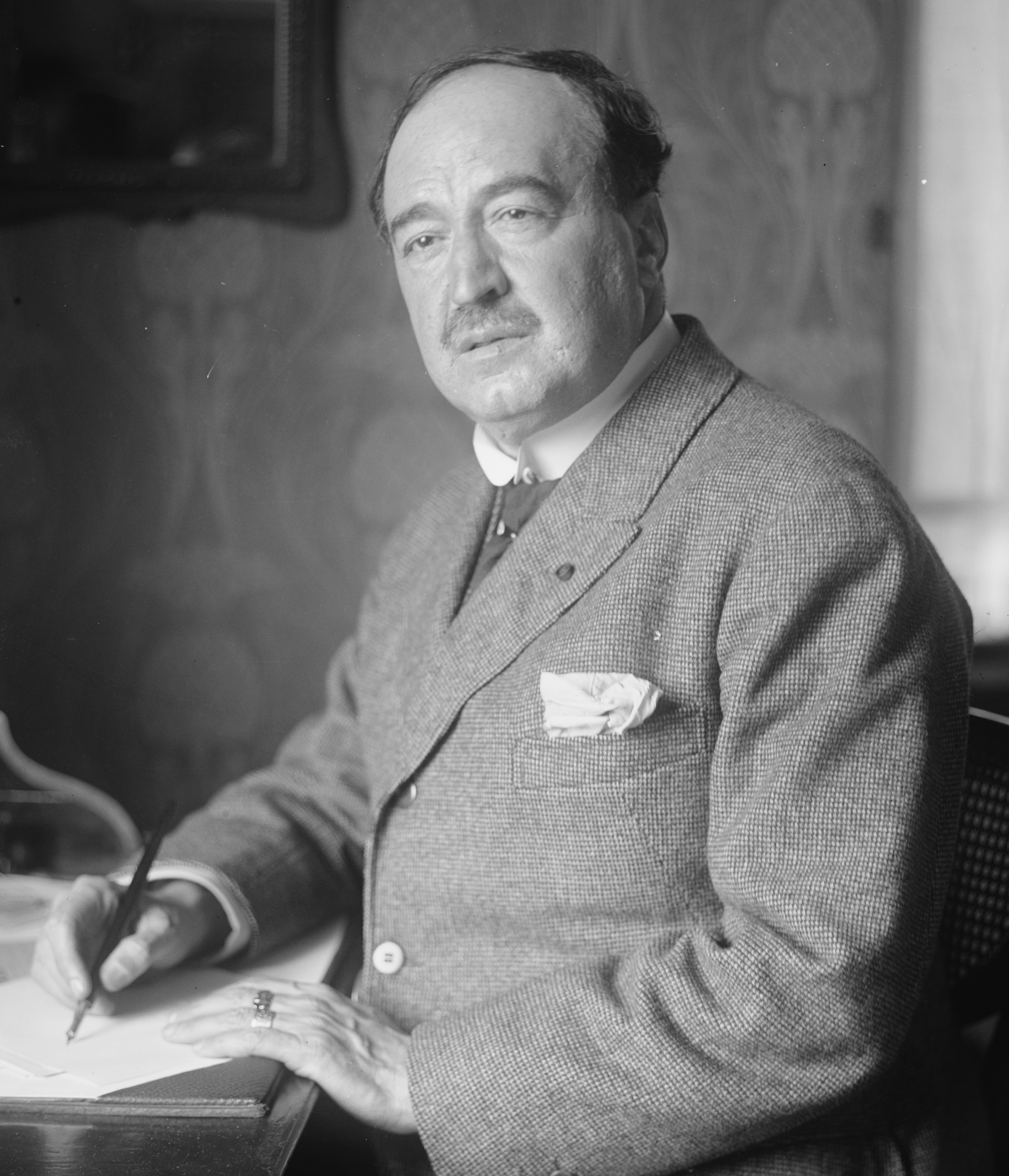
Benedetto Croce was an influential Italian philosopher, historian, and politician whose work spanned various fields, including philosophy, history, and aesthetics. He was a prominent figure in Italian intellectual life, advocating for a liberal political philosophy that distinguished between civil liberties and laissez-faire economics, which he termed 'liberism.' Croce's writings and ideas significantly impacted a range of thinkers, from Marxists like Antonio Gramsci to fascists such as Giovanni Gentile, illustrating his complex role in the political landscape of Italy during the early 20th century. His political career was marked by a commitment to democracy, serving in the Italian Parliament from 1910 and later in the Constituent Assembly after World War II. Croce was a key figure in the Italian Liberal Party, presiding over it from 1944 to 1947, and he played a crucial role in the post-war reconstruction of Italian democracy. He also held the presidency of PEN International, reflecting his dedication to literature and free expression. Nominated for the Nobel Prize in Literature 16 times, Croce's legacy endures through his philosophical contributions and his efforts to promote liberal democracy in Italy, making him a pivotal figure in the cultural and political history of the nation.
Famous Quotes
View all 3 quotes“We are products of the past and we live immersed in the past, which encompasses us. How can we move towards the new life, how create new activities without getting out of the past and without placing ourselves above it? And how can we place ourselves above the past if we are in it and it is in us? There is no other way out except through thought, which does not break off relations with the past but rises ideally above it and converts it into knowledge.”
“Art is a true aesthetic synthesis , "a priori" of feeling and image in the intuition, as to which it may be repeated that feeling without image is blind, and image without feeling is void.”
“ما هو الفن؟" إن الفن رؤيا أو حدس. فالفنان إنما يقدم صورة أو خيالاً، والذي يتذوّق الفن يدور بطزفه إلى النقطة التي دله عليها الفنان، وينظر من النافذة التي هيأها له، فإذا به يغيد تكوين هذه الصورة في نفسه”
Books from the author
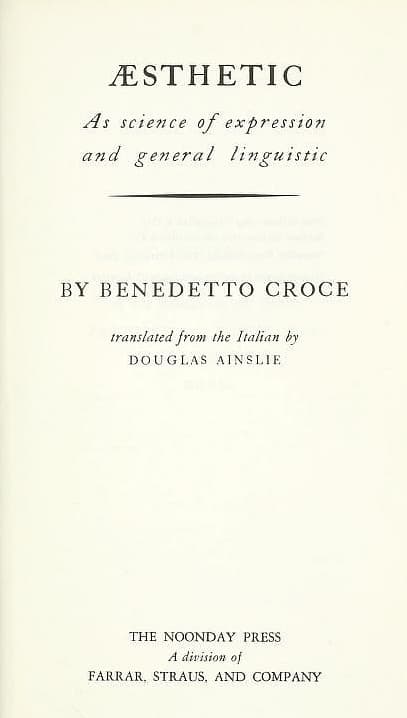
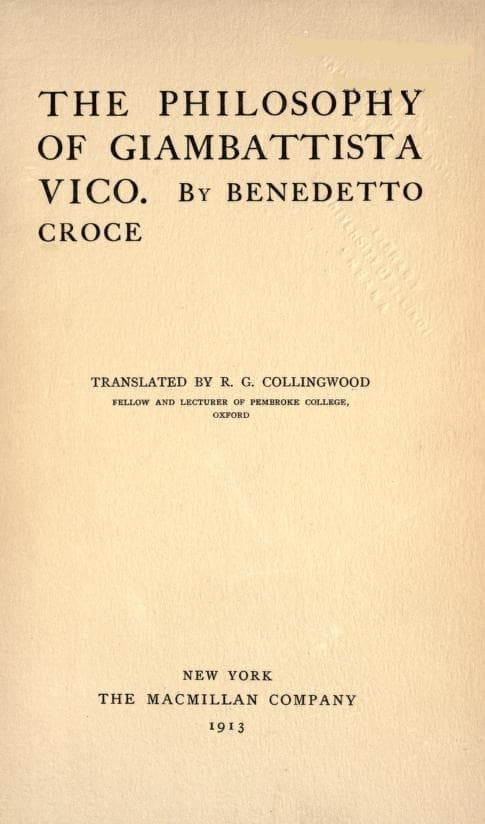
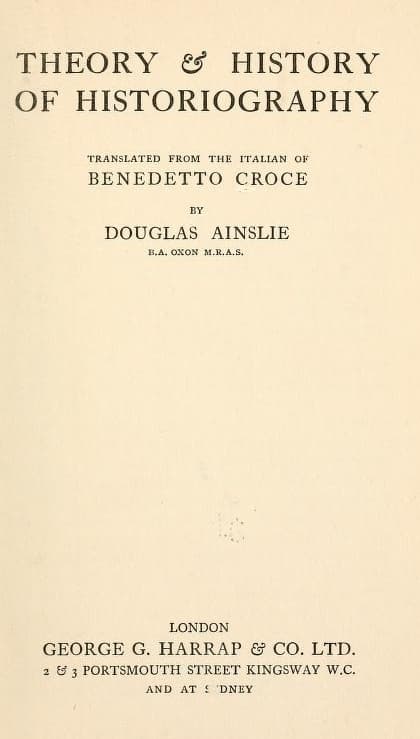
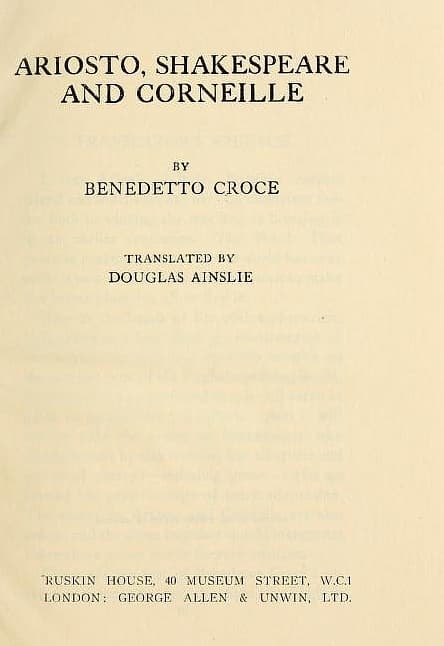
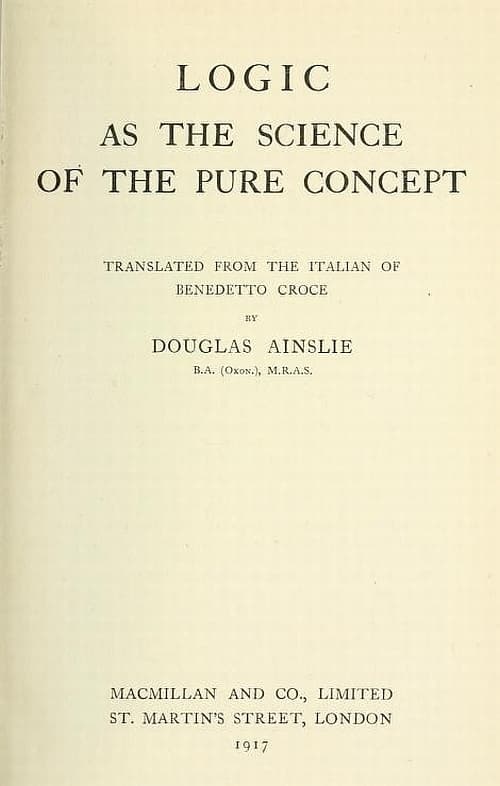
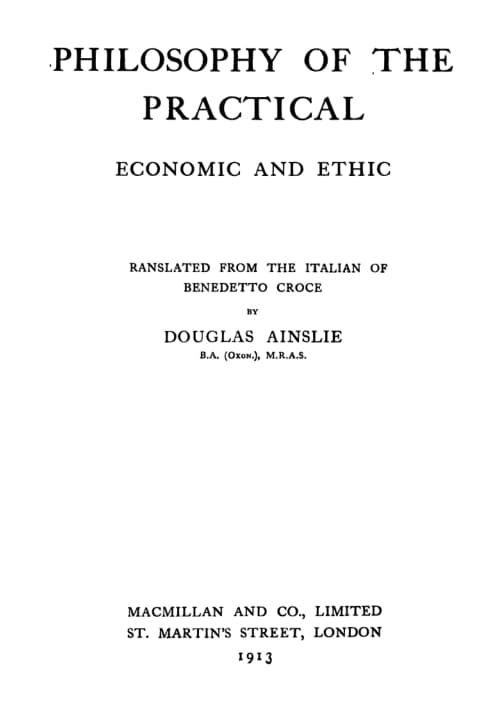




Link to this page
Add a free, dofollow link to Lex on your blog, forum, syllabus, or reading list.

<a href="https://lex-books.com/author/benedetto-croce"><img src="https://lex-books.com/badges/read-on-lex.svg" alt="Benedetto Croce on Lex" width="160" height="40"></a>[](https://lex-books.com/author/benedetto-croce)[url=https://lex-books.com/author/benedetto-croce][img]https://lex-books.com/badges/read-on-lex.svg[/img][/url]Benedetto Croce on Lex: https://lex-books.com/author/benedetto-croce