Bernard Bosanquet
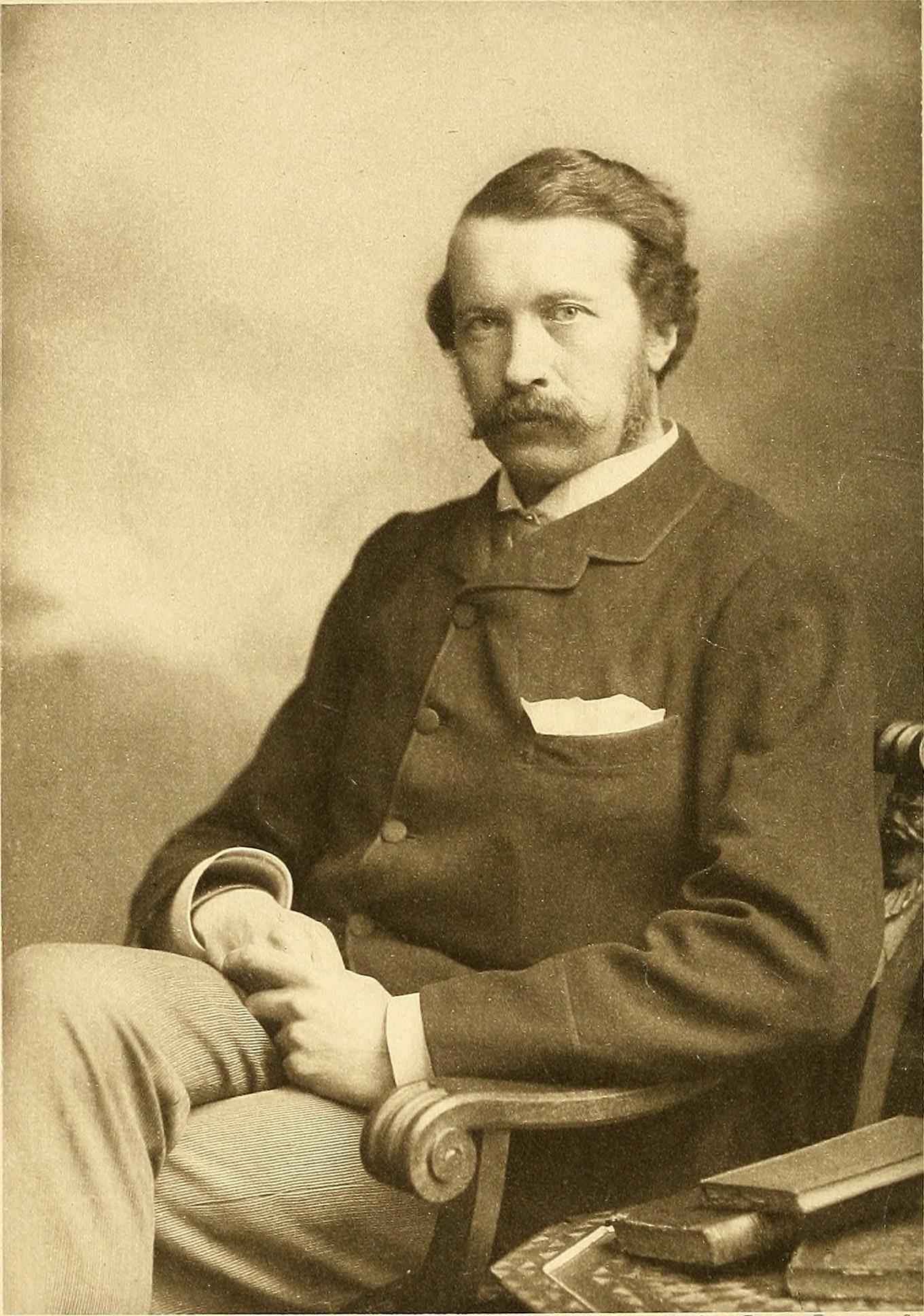
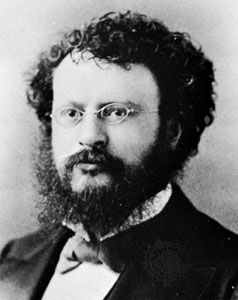
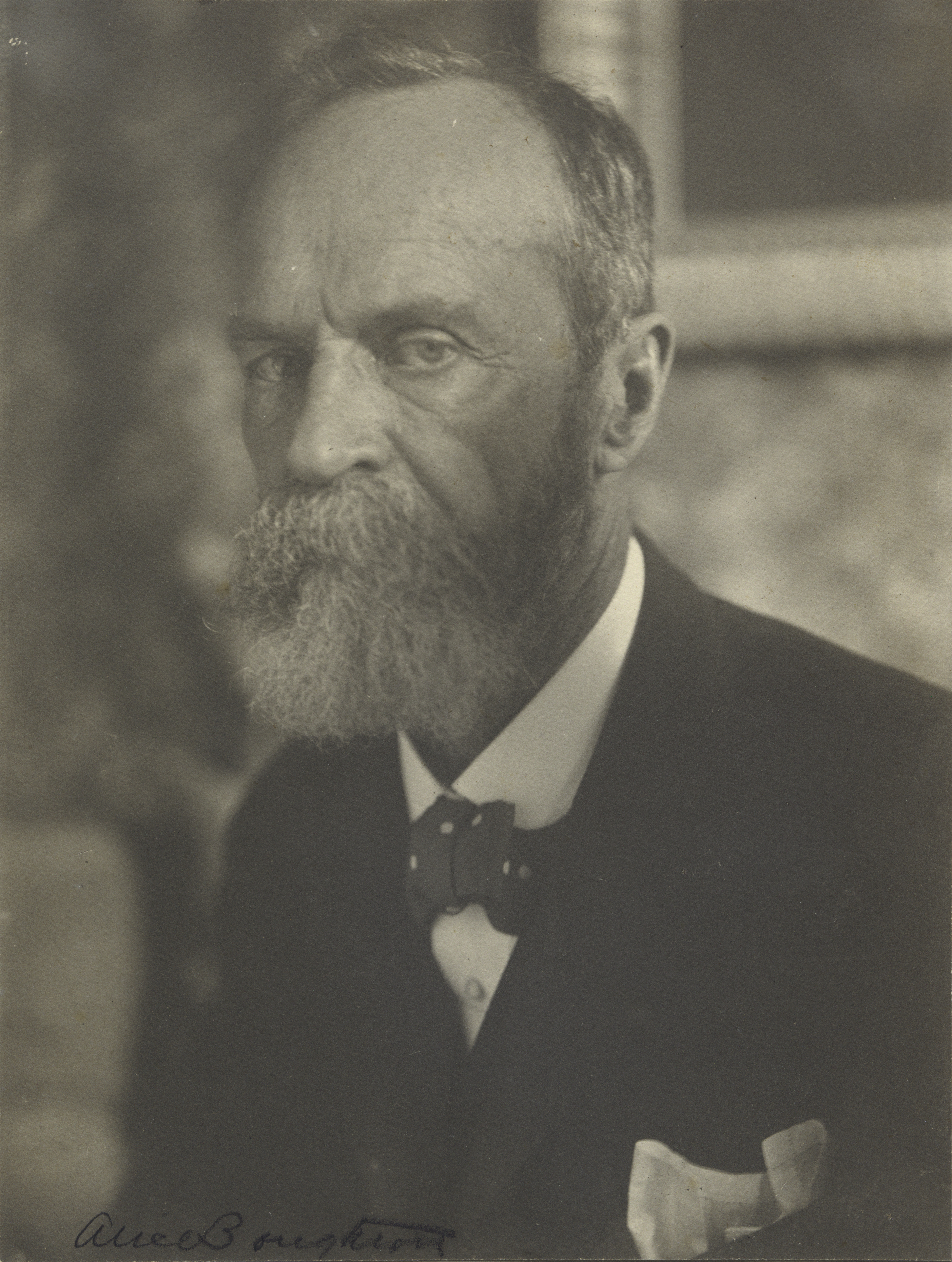
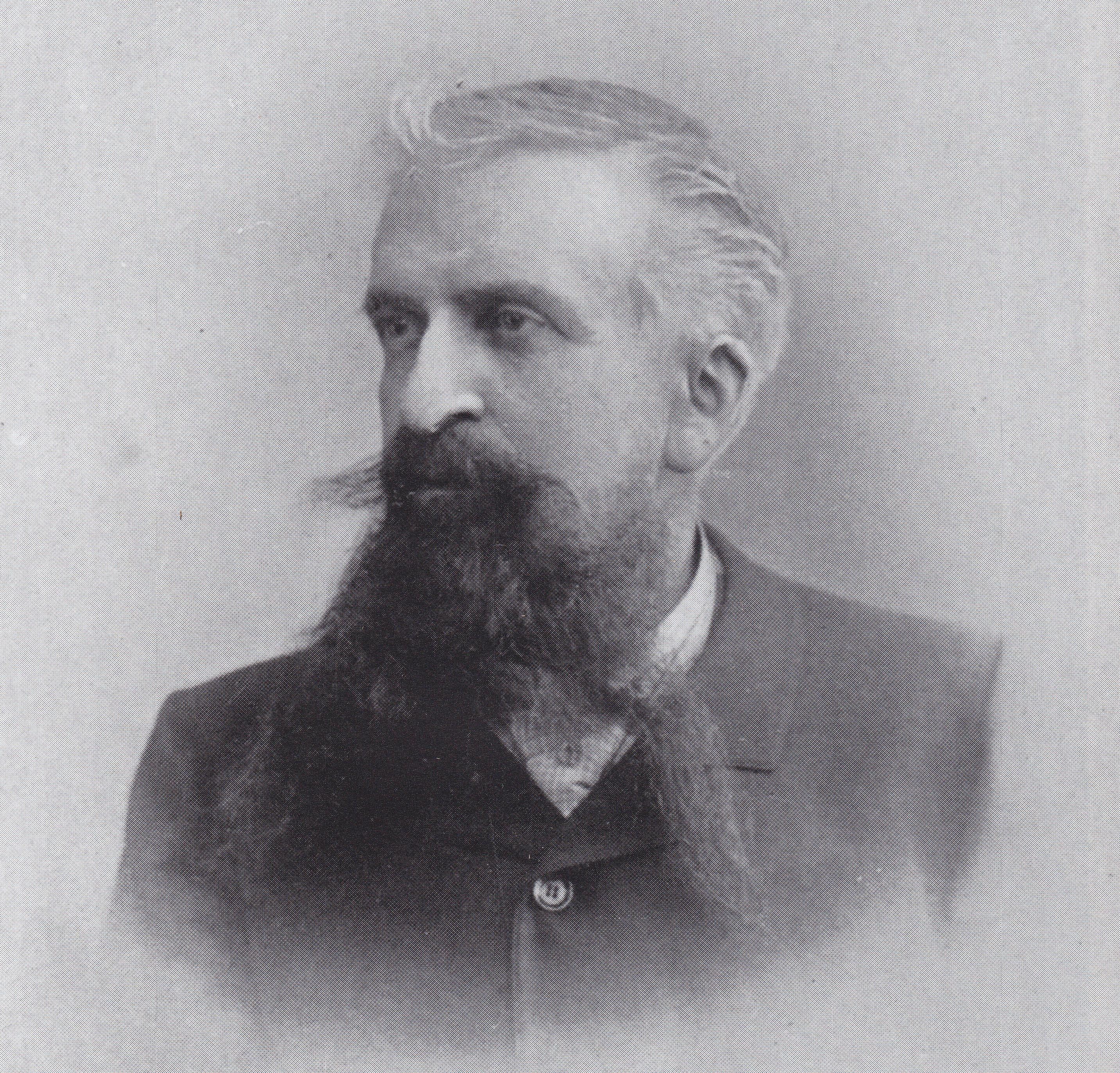
Bernard Bosanquet was an influential English philosopher and a prominent figure in the development of British idealism. He was known for his works that explored the nature of reality, the self, and the role of society in shaping individual experience. His major works, including 'The Philosophical Theory of the State' and 'A History of Aesthetic', delved into the interconnections between ethics, politics, and aesthetics, arguing for a holistic understanding of human experience. Bosanquet's ideas were significant in the early 20th century, as they challenged the prevailing materialist views and emphasized the importance of spiritual and social dimensions in philosophy. Bosanquet's contributions extended beyond philosophy; he was also a key figure in the establishment of social reform movements in England. His advocacy for social justice and his critiques of individualism influenced contemporary thought on social policy and ethics. His legacy is marked by his role in shaping the discourse around idealism and his impact on later philosophers, including those in the fields of political theory and social philosophy. Bosanquet's work continues to be studied for its insights into the relationship between individual agency and social structures.
Famous Quotes
View all 1 quotes“The process always needs the future to explain its real tendency.”
Books from the author


Link to this page
Add a free, dofollow link to Lex on your blog, forum, syllabus, or reading list.

<a href="https://lex-books.com/author/bernard-bosanquet"><img src="https://lex-books.com/badges/read-on-lex.svg" alt="Bernard Bosanquet on Lex" width="160" height="40"></a>[](https://lex-books.com/author/bernard-bosanquet)[url=https://lex-books.com/author/bernard-bosanquet][img]https://lex-books.com/badges/read-on-lex.svg[/img][/url]Bernard Bosanquet on Lex: https://lex-books.com/author/bernard-bosanquet