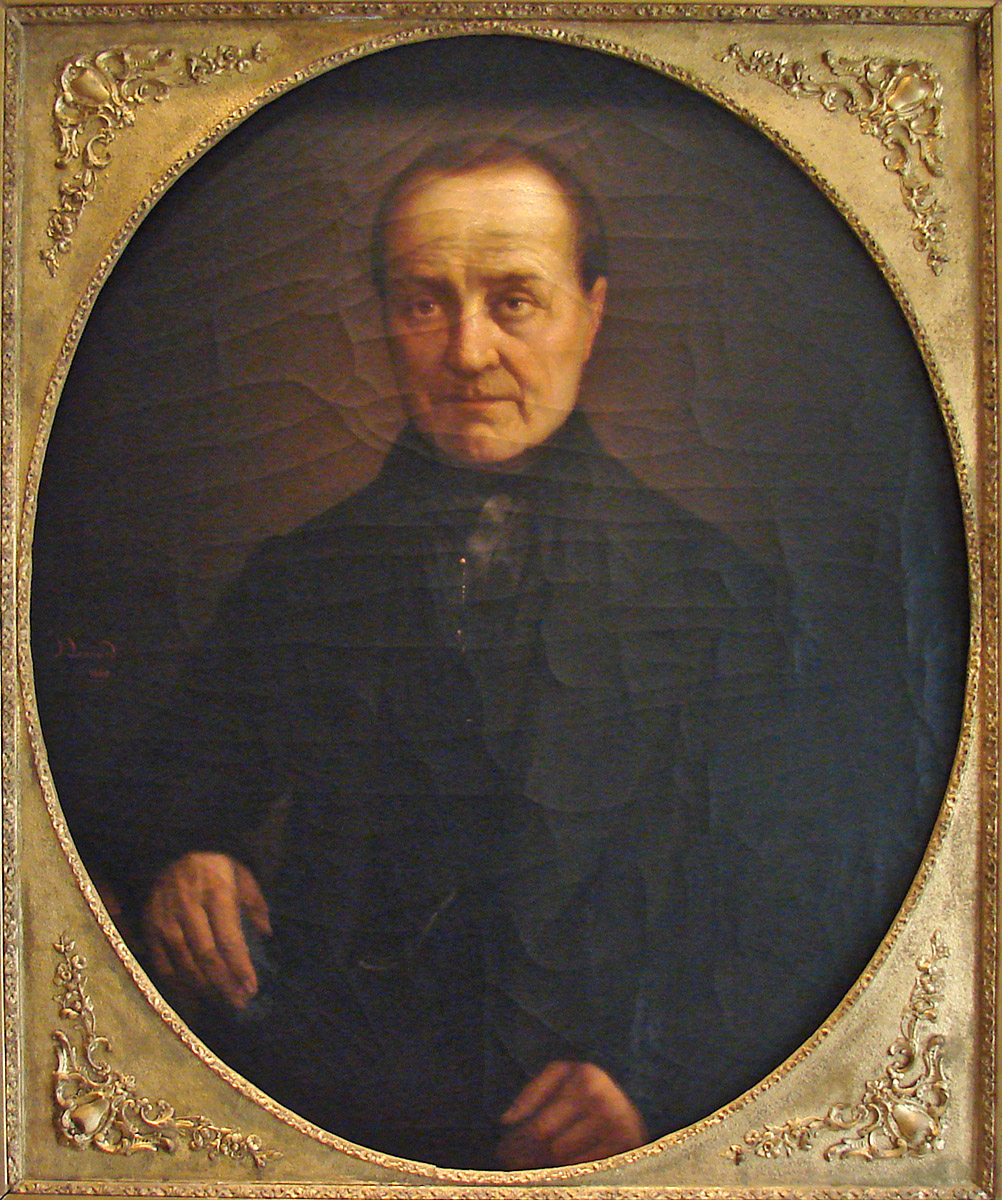
Cours De Philosophie Positive. (1/6)
1830
In 1830, a young French mathematician with grand ambitions published the opening volley of what would become one of the most influential intellectual projects in modern history. Auguste Comte's Course of Positive Philosophy doesn't just argue for a new method of thinking it declares a complete restructuring of human knowledge itself. The core insight is arresting: humanity's intellectual development passes through three stages theological (explaining through gods and spirits), metaphysical (explaining through abstract forces and essences), and finally positive (explaining through observable laws and scientific reasoning). With this framework, Comte accomplishes something daring: he proposes that the same rigorous methods that had transformed astronomy and chemistry could be applied to human society itself, creating what he calls 'social physics.' The result is both a philosophy of science and a revolutionary manifesto for understanding humanity scientifically. This first volume establishes the architectural vision that would shape sociology, philosophy of science, and the modern faith in expertise. For readers willing to wrestle with dense 19th-century prose, the reward is discovering the intellectual bedrock of our contemporary worship of data, evidence, and 'what works.'
Editions
Link to this book
Add a free, dofollow link to Lex on your blog, forum, syllabus, or reading list.

<a href="https://lex-books.com/book/cours-de-philosophie-positive-1-6-2c0801f2-96aa-4be7-a820-7ae8afc0107f"><img src="https://lex-books.com/badges/read-on-lex.svg" alt="Read Cours De Philosophie Positive. (1/6) by Auguste Comte free on Lex" width="160" height="40"></a>[](https://lex-books.com/book/cours-de-philosophie-positive-1-6-2c0801f2-96aa-4be7-a820-7ae8afc0107f)[url=https://lex-books.com/book/cours-de-philosophie-positive-1-6-2c0801f2-96aa-4be7-a820-7ae8afc0107f][img]https://lex-books.com/badges/read-on-lex.svg[/img][/url]Read Cours De Philosophie Positive. (1/6) by Auguste Comte free on Lex: https://lex-books.com/book/cours-de-philosophie-positive-1-6-2c0801f2-96aa-4be7-a820-7ae8afc0107fCite this book
Reading this edition for a paper or guide? Copy a citation.
Comte, Auguste. Cours De Philosophie Positive. (1/6). Lex, lex-books.com/book/cours-de-philosophie-positive-1-6-2c0801f2-96aa-4be7-a820-7ae8afc0107f.Comte, A. (1830). Cours De Philosophie Positive. (1/6). Lex. https://lex-books.com/book/cours-de-philosophie-positive-1-6-2c0801f2-96aa-4be7-a820-7ae8afc0107fComte, Auguste. Cours De Philosophie Positive. (1/6). Lex. https://lex-books.com/book/cours-de-philosophie-positive-1-6-2c0801f2-96aa-4be7-a820-7ae8afc0107f.