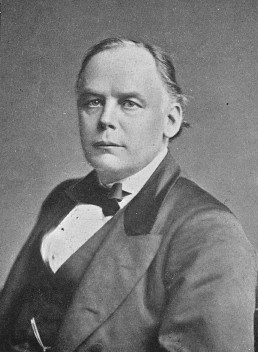
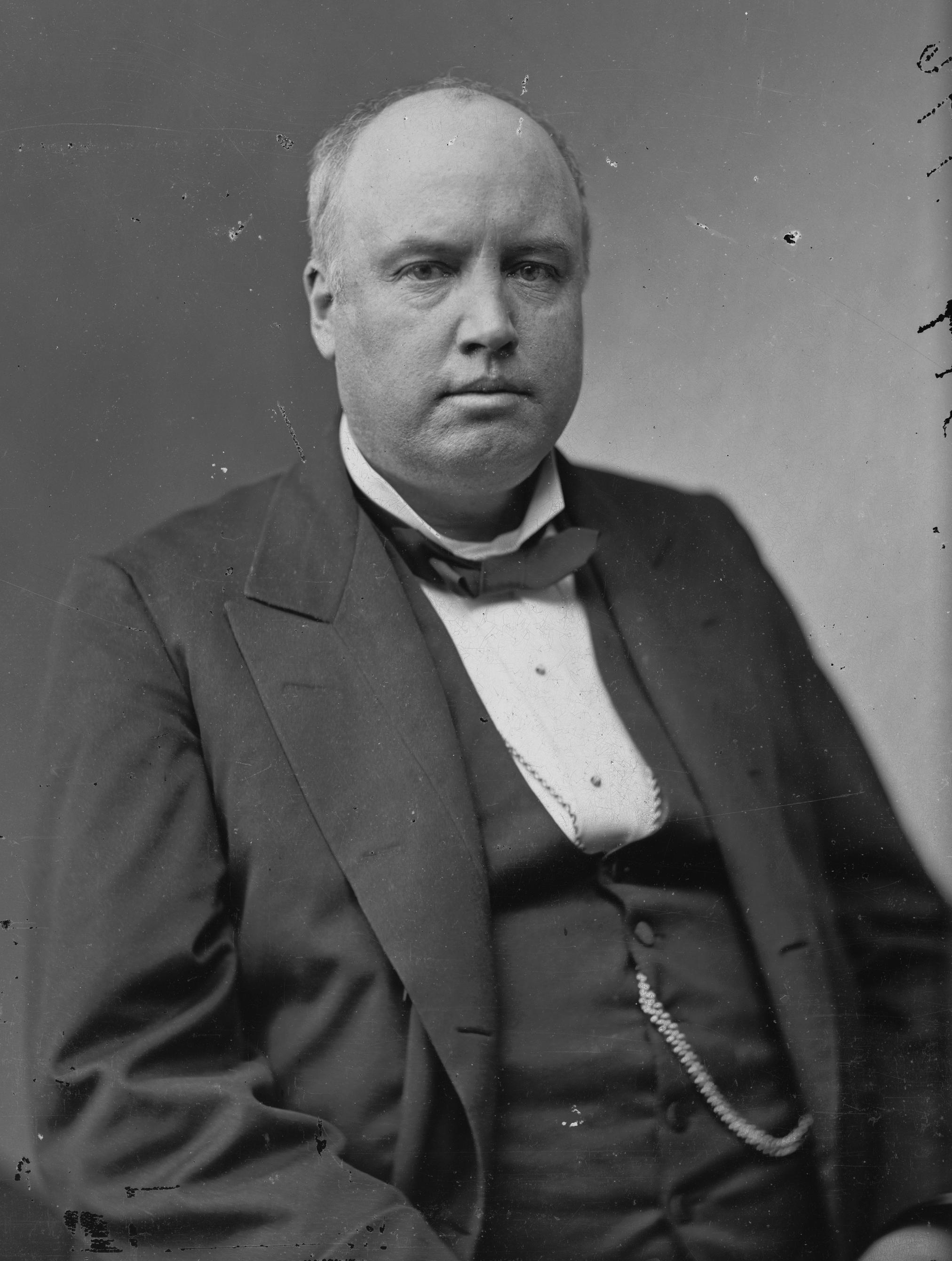
Alfred Fouillée
Alfred Fouillée was a prominent French philosopher and legal theorist known for his contributions to the fields of social science and philosophy of law. Born in 1838, he was deeply influenced by the intellectual currents of his time, particularly the debates surrounding free will and determinism. His notable work, 'La Liberté Et Le Déterminisme,' explored the intricate relationship between human freedom and the deterministic forces that shape society, positioning him as a significant figure in the discourse on human agency and moral responsibility. Fouillée's influence extended beyond philosophy into the realm of legal thought, where he examined the implications of social science on contemporary legal systems. In 'Modern French Legal Philosophy,' he articulated a vision of law that was informed by social realities, advocating for a legal framework that acknowledged the complexities of human behavior. His work 'La science sociale contemporaine' further solidified his reputation as a thinker who sought to integrate philosophical inquiry with empirical social science, making him a precursor to later developments in sociology and legal philosophy. Through his writings, Fouillée left a lasting legacy that continues to resonate in discussions of freedom, law, and social theory.