
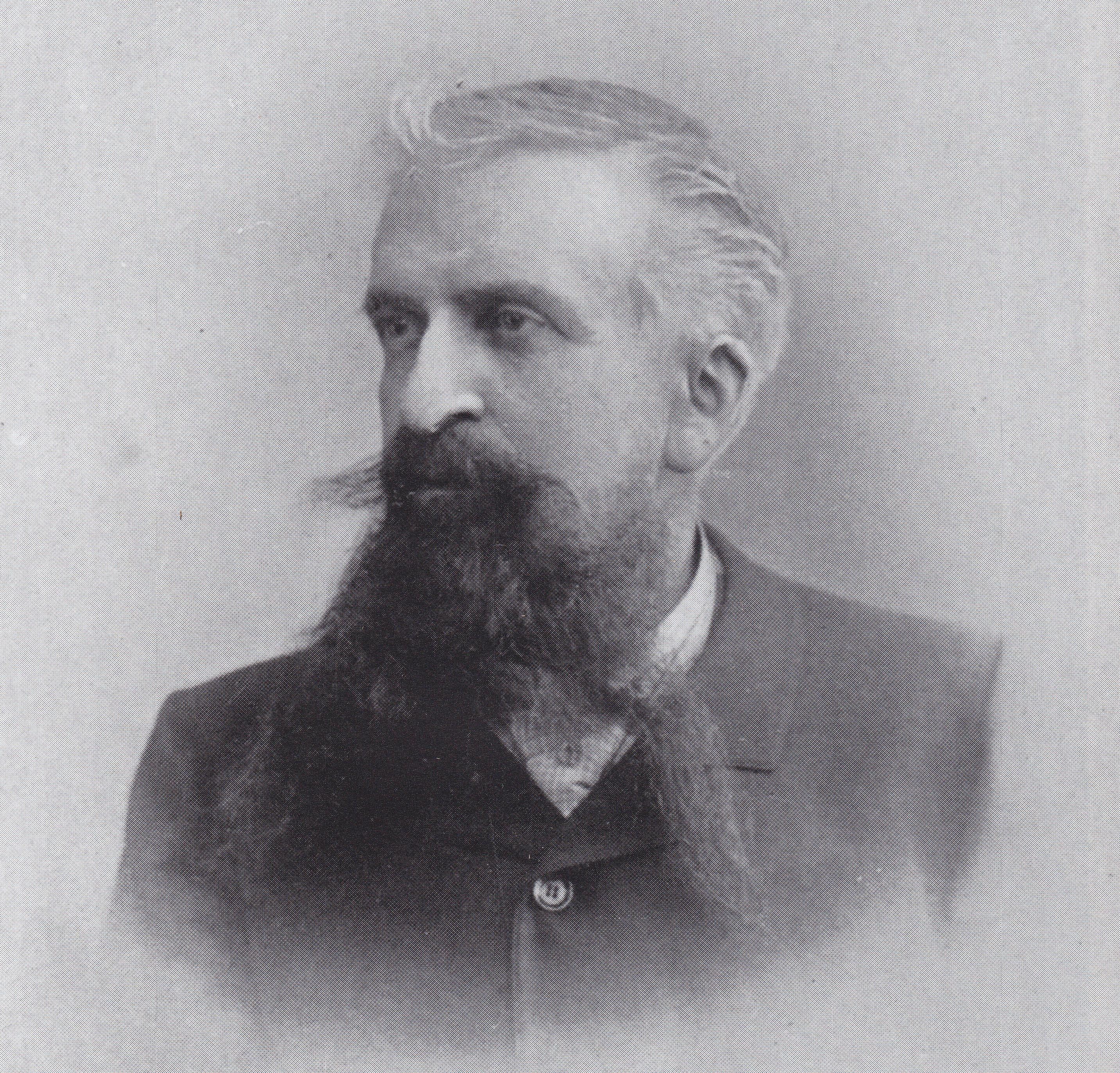
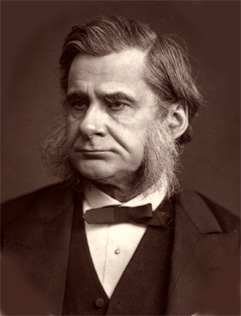
Alexander Bain
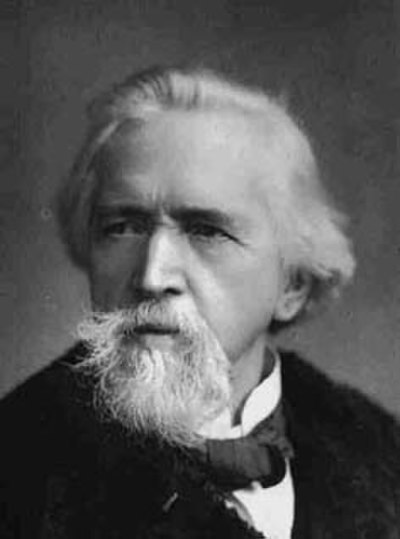
Alexander Bain was a Scottish philosopher and educationalist, recognized for his significant contributions to psychology and the philosophy of mind. He was a key figure in the British school of empiricism, advocating for a scientific approach to understanding human thought and behavior. Bain's works, such as 'The Senses and the Intellect' and 'The Emotions and the Will,' explored the relationship between mental processes and sensory experience, laying the groundwork for modern psychological theory. His innovative ideas on the nature of emotions and their influence on human action distinguished him as a pioneer in the field. In addition to his philosophical pursuits, Bain was deeply invested in education, emphasizing the importance of empirical methods in teaching and learning. His role as a professor at the University of Aberdeen and his involvement in various educational reforms underscored his commitment to advancing knowledge and understanding. Bain's legacy endures through his influence on later philosophers and psychologists, as well as his contributions to the development of educational practices that prioritize critical thinking and empirical inquiry.
Famous Quotes
View all 2 quotes“The doctrine of Relativity is carried to a fallacious pitch, when applied to prove that there must be something absolute, because the Relative must suppose the non- Relative. If there be Relation, it is said, there must be something Un-related, or above all relation. But Relation cannot in this way, be brought round on itself, except by a verbal juggle. Relation means that every conscious state has a correlative state ; which brings us at last to a couple (the subject-mind, and the object or extended world). This is the final end of all possible cognition. We may view the two facts separately or together; and we may call the conjunct view an Absolute (as Ferrier does), but this adds nothing to our knowledge. A self-contradiction is committed by inferring from * everything is relative,' that * something is non-relative.' Fallacies of Relativity often arise in the hyperboles of Rhetoric. In order to reconcile to their lot the more humble class of manual labourers, the rhetorician proclaims the dignity of all labour, without being conscious that if all labour is dignified, none is ; dignity supposes inferior grades ; a mountain height is abolished if all the surrounding plains are raised to the level of its highest peak. So, in spurring men to industry and perseverance, examples of distinguished success are held up for universal imitation ; while, in fact, these cases owe their distinction to the general backwardness.”
“Terror is a powerful agent in overcoming the contumacious and self willed disposition, and is made use of in government, in religion, and in education. The passion may be excited by the mere prospect of great suffering, but still more effectually by unknown dangers, uncertainties, and vast possibilities of evil, in matters keenly felt by the hearers. The approach of unexperienced calamities is out to engender panic. Under a plague or epidemic people may be easily frightened into measures that in cool moments they would repudiate. The sick and the depressed can readily be inspired with religious and moral terrors. History furnishes many examples of political oratory succeeding through the excitement of terror.”
Books from the author




Link to this page
Add a free, dofollow link to Lex on your blog, forum, syllabus, or reading list.

<a href="https://lex-books.com/author/alexander-bain"><img src="https://lex-books.com/badges/read-on-lex.svg" alt="Alexander Bain on Lex" width="160" height="40"></a>[](https://lex-books.com/author/alexander-bain)[url=https://lex-books.com/author/alexander-bain][img]https://lex-books.com/badges/read-on-lex.svg[/img][/url]Alexander Bain on Lex: https://lex-books.com/author/alexander-bain