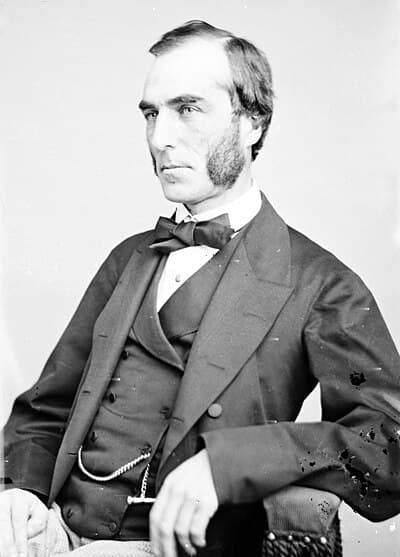
Goldwin Smith
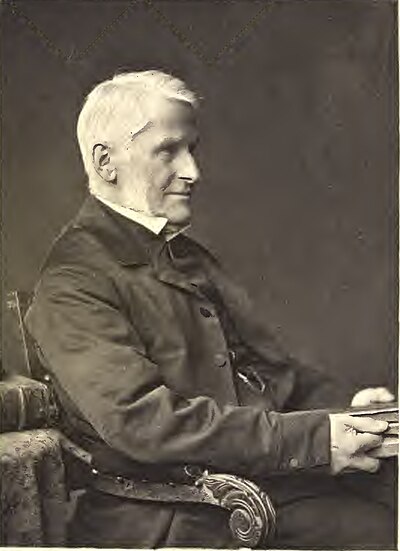
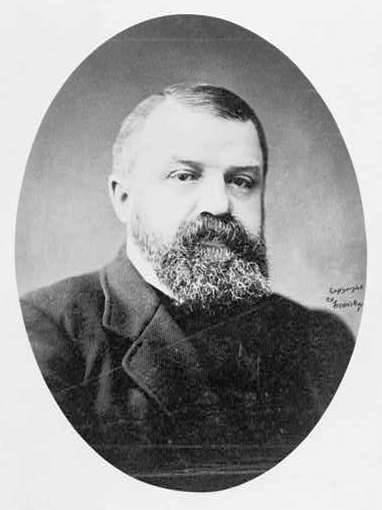
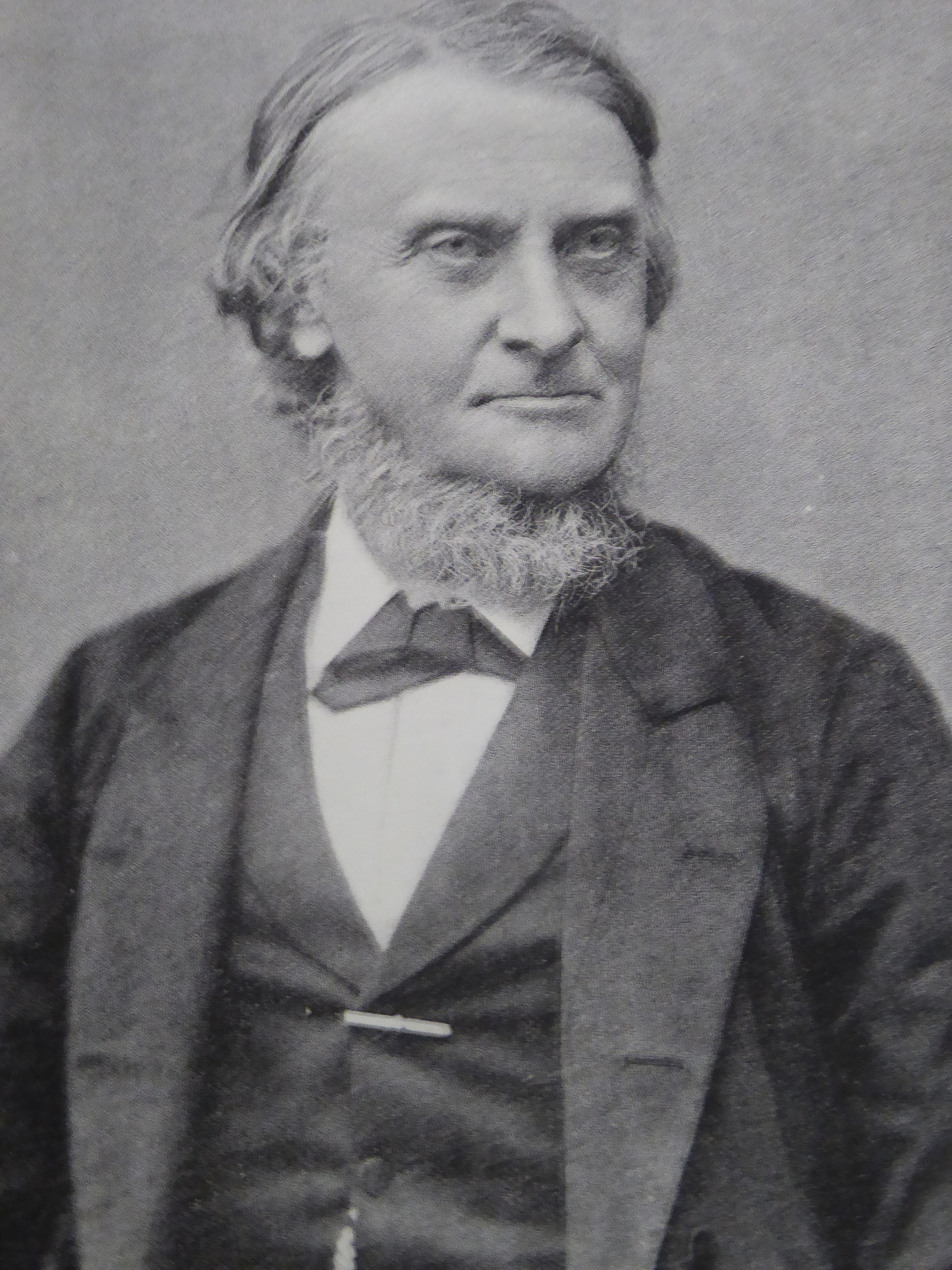
Goldwin Smith was a British-born academic and historian whose career spanned both Great Britain and North America. He served as a professor of modern history at the University of Oxford from 1856 to 1866, where he gained recognition for his scholarly contributions. In 1868, he moved to Cornell University, where he played a pivotal role in enhancing the institution's reputation. However, his tenure there was cut short in 1872 when he resigned in protest against the university's decision to admit female students. Smith's legacy at Cornell endures through Goldwin Smith Hall, named in his honor. Smith was known for his outspoken political views, which often sparked controversy. He was a staunch supporter of the Union during the American Civil War and expressed critical opinions on imperialism. Despite his contributions to historical discourse, his legacy is complicated by his opposition to movements such as Irish Home Rule and women's suffrage, as well as his Anglo-Saxonist and antisemitic perspectives. These views have led to a reevaluation of his impact on both history and education, highlighting the complexities of his character and the era in which he lived.
Books from the author




Link to this page
Add a free, dofollow link to Lex on your blog, forum, syllabus, or reading list.

<a href="https://lex-books.com/author/goldwin-smith"><img src="https://lex-books.com/badges/read-on-lex.svg" alt="Goldwin Smith on Lex" width="160" height="40"></a>[](https://lex-books.com/author/goldwin-smith)[url=https://lex-books.com/author/goldwin-smith][img]https://lex-books.com/badges/read-on-lex.svg[/img][/url]Goldwin Smith on Lex: https://lex-books.com/author/goldwin-smith