Thyestes
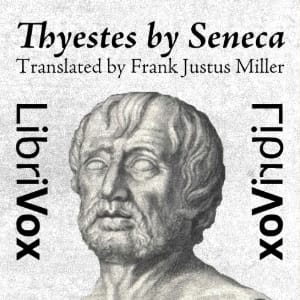
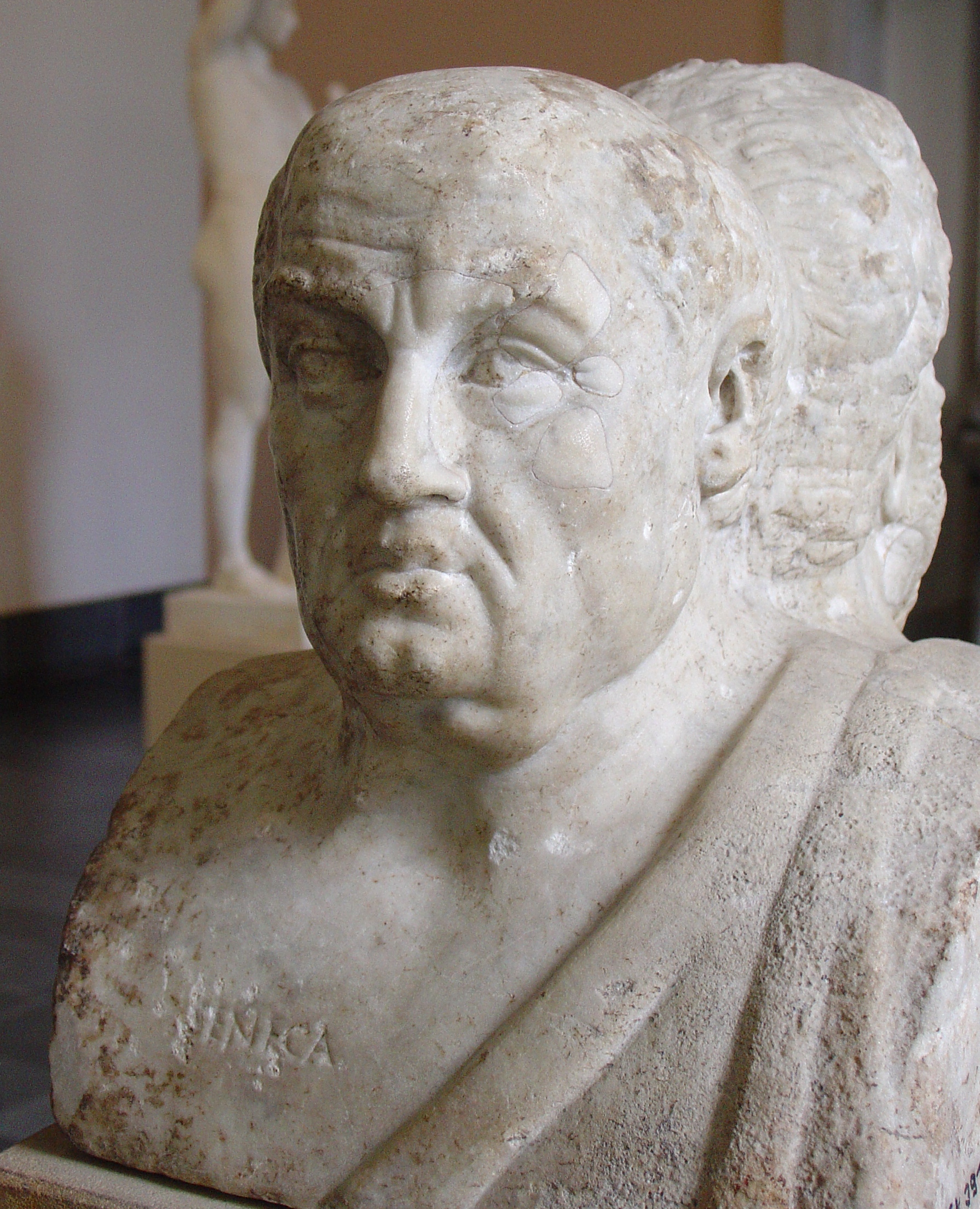
Seneca's Thyestes is a descent into the abyss of human cruelty. When the ghost of Tantalus rises to demand vengeance against his descendants, the stage is set for one of the most psychologically savage portraits of ambition in Western literature. Atreus, king of Mycenae, has stolen the throne from his brother Thyestes. But victory means nothing without total destruction. What follows is a meditation on how far a man will go to taste total power: the murder of innocence, the corruption of language itself, the final unspeakable act served at a brother's table. Seneca, writing under the shadow of Nero's court, understood that tyranny is not merely political but interior, a poison that contaminates the soul long before it reaches the body. The play offered Renaissance dramatists from Shakespeare to Corneille their blueprint for tragedy, not because of its spectacle, but because it mapped the architecture of evil with terrifying precision. For readers willing to sit with darkness, Thyestes remains a proof that the most horrifying crimes are those committed by those closest to us.
Editions

Read by
Group Narration
2 readers
Alan Mapstone, Christine Rottger, Ehsan Ahmed Mehedi, Agnes Robert Behr +5 more
Link to this book
Add a free, dofollow link to Lex on your blog, forum, syllabus, or reading list.

<a href="https://lex-books.com/book/thyestes-3701d457-34db-4db0-afba-af998408c0f7"><img src="https://lex-books.com/badges/read-on-lex.svg" alt="Read Thyestes by Lucius Annaeus Seneca free on Lex" width="160" height="40"></a>[](https://lex-books.com/book/thyestes-3701d457-34db-4db0-afba-af998408c0f7)[url=https://lex-books.com/book/thyestes-3701d457-34db-4db0-afba-af998408c0f7][img]https://lex-books.com/badges/read-on-lex.svg[/img][/url]Read Thyestes by Lucius Annaeus Seneca free on Lex: https://lex-books.com/book/thyestes-3701d457-34db-4db0-afba-af998408c0f7Cite this book
Reading this edition for a paper or guide? Copy a citation.
Seneca, Lucius Annaeus. Thyestes. Lex, lex-books.com/book/thyestes-3701d457-34db-4db0-afba-af998408c0f7.Seneca, L. A. (n.d.). Thyestes. Lex. https://lex-books.com/book/thyestes-3701d457-34db-4db0-afba-af998408c0f7Seneca, Lucius Annaeus. Thyestes. Lex. https://lex-books.com/book/thyestes-3701d457-34db-4db0-afba-af998408c0f7.