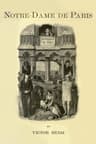
Notre-Dame De Paris
1831
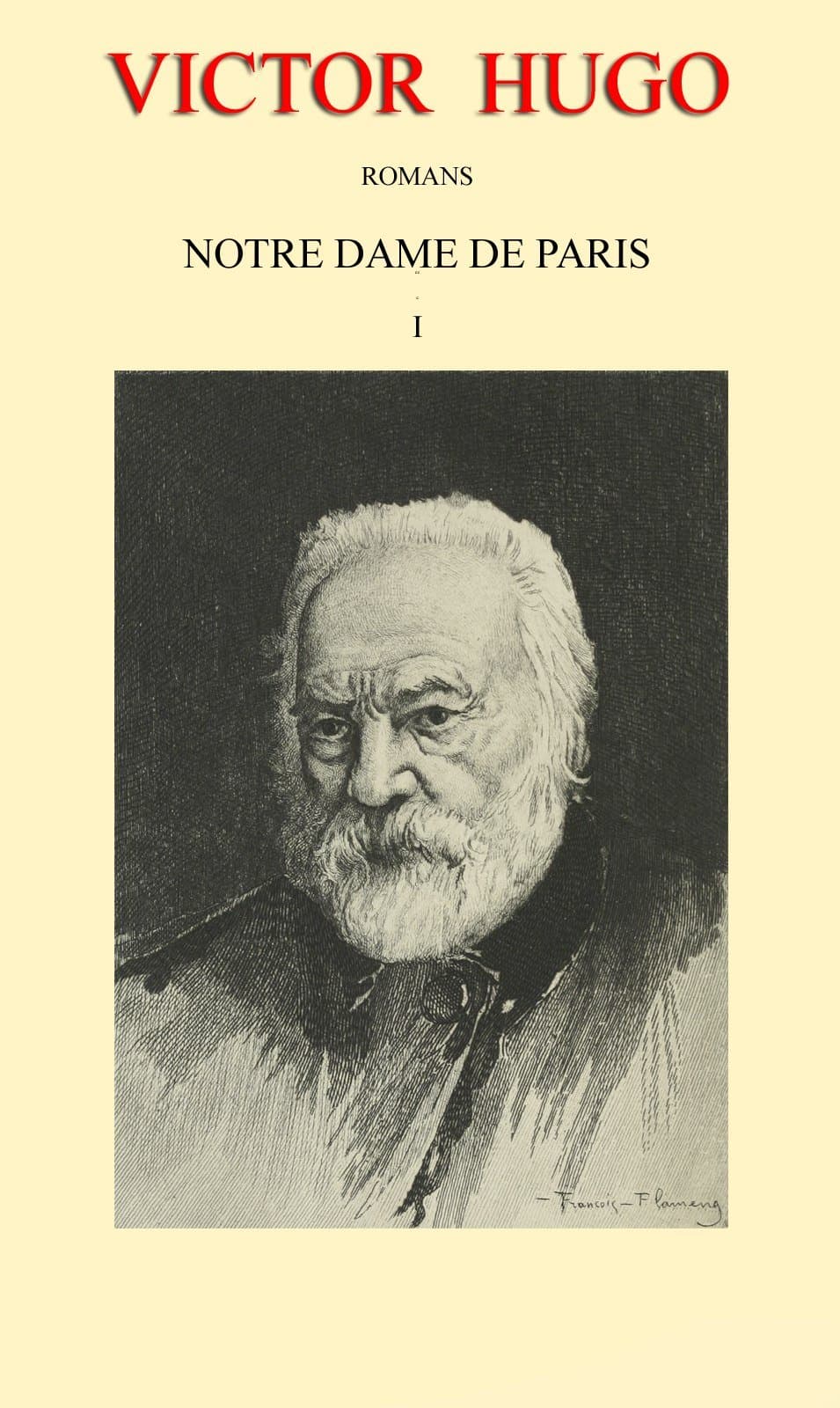
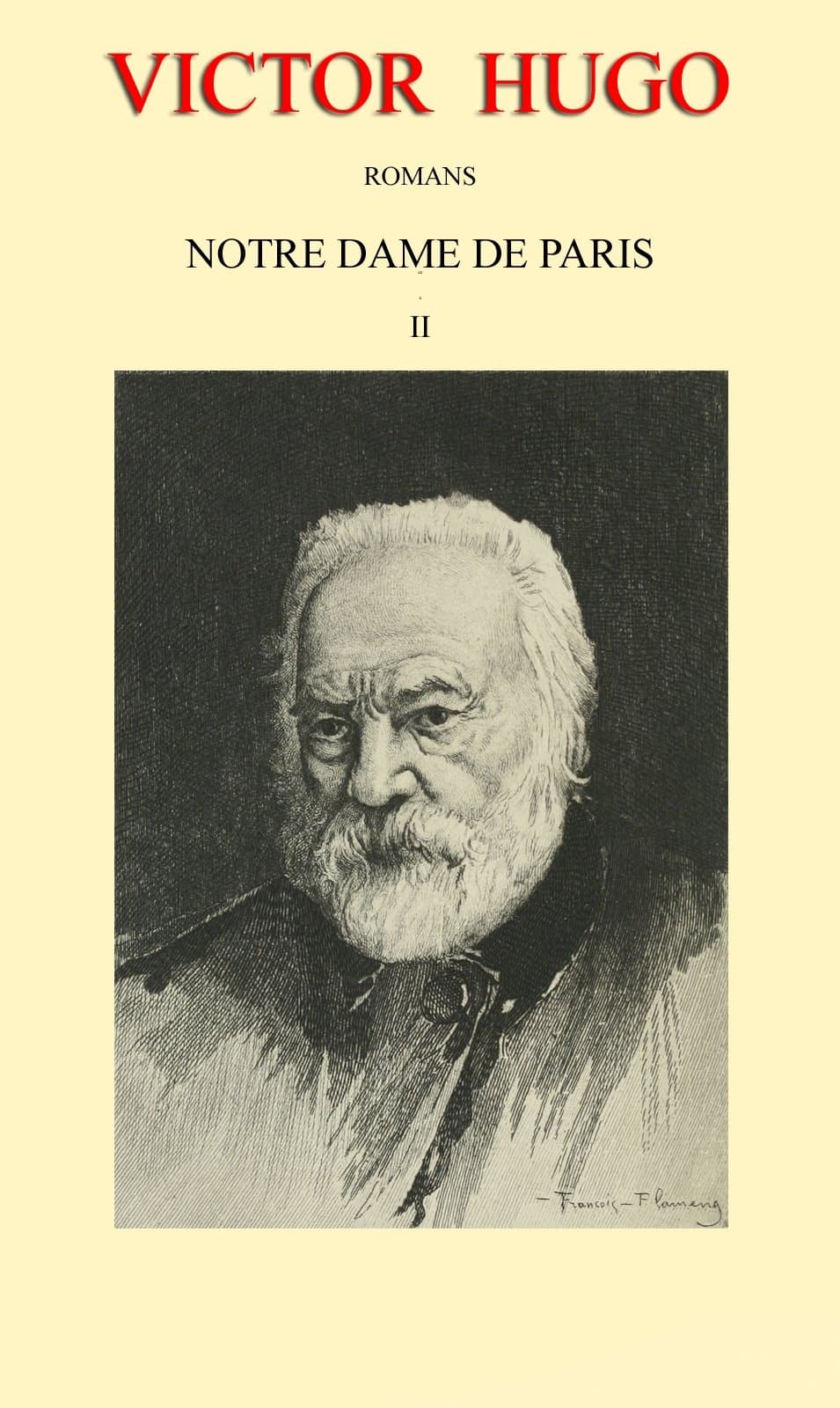
In 1482 Paris, beneath the twin towers of the greatest cathedral in Christendom, Victor Hugo constructed a cathedral of his own: a novel so powerful it would save the real Notre-Dame from destruction. At its heart stands Quasimodo, the deaf bell-ringer with a twisted spine and a soul that puts the able-bodied to shame, and Esmeralda, the Romani girl whose kindness and beauty ignite a firestorm of obsession in the twisted archdeacon Claude Frollo. What begins as a riotous Festival of Fools spirals into tragedy, as love, jealousy, and mob violence collide within the stone walls of the cathedral. Hugo's novel is not merely a story of outcasts and forbidden love, though it is that. It is a furious argument for beauty, for the marginalized, and for the Gothic architecture that anchors a nation's soul. When Hugo published this book in 1831, Notre-Dame was crumbling. His novel sparked a restoration movement that brought the cathedral back to life. Read it and understand why a work of fiction once held the power to save a building.
Editions

X-Ray
“Love is like a tree: it grows by itself, roots itself deeply in our being and continues to flourish over a heart in ruin. The inexplicable fact is that the blinder it is, the more tenacious it is. It is never stronger than when it is completely unreasonable.””
— Victor Hugo
“Nothing makes a man so adventurous as an empty pocket.””
— Victor Hugo
“I wanted to see you again, touch you, know who you were, see if I would find you identical with the ideal image of you which had remained with me and perhaps shatter my dream with the aid of reality.-Claude Frollo ””
— Victor Hugo
“When you get an idea into your head you find it in everything.””
— Victor Hugo
“Spira, spera.(breathe, hope)””
— Victor Hugo
“Do you know what friendship is?' he asked.'Yes,' replied the gypsy; 'it is to be brother and sister; two souls which touch without mingling, two fingers on one hand.''And love?' pursued Gringoire.'Oh! love!' said she, and her voice trembled, and her eye beamed. 'That is to be two and to be but one. A man and a woman mingled into one angel. It is heaven.””
— Victor Hugo
“A one-eyed man is much more incomplete than a blind man, for he knows what it is that's lacking.””
— Victor Hugo
“mothers are often fondest of the child which has caused them the greatest pain.””
— Victor Hugo
“He reached for his pocket, and found there, only reality””
— Victor Hugo
Link to this book
Add a free, dofollow link to Lex on your blog, forum, syllabus, or reading list.

<a href="https://lex-books.com/book/notre-dame-de-paris-fe5ade11-2254-4955-b225-f3b948d2f308"><img src="https://lex-books.com/badges/read-on-lex.svg" alt="Read Notre-Dame De Paris by Victor Hugo free on Lex" width="160" height="40"></a>[](https://lex-books.com/book/notre-dame-de-paris-fe5ade11-2254-4955-b225-f3b948d2f308)[url=https://lex-books.com/book/notre-dame-de-paris-fe5ade11-2254-4955-b225-f3b948d2f308][img]https://lex-books.com/badges/read-on-lex.svg[/img][/url]Read Notre-Dame De Paris by Victor Hugo free on Lex: https://lex-books.com/book/notre-dame-de-paris-fe5ade11-2254-4955-b225-f3b948d2f308Cite this book
Reading this edition for a paper or guide? Copy a citation.
Hugo, Victor. Notre-Dame De Paris. Lex, lex-books.com/book/notre-dame-de-paris-fe5ade11-2254-4955-b225-f3b948d2f308.Hugo, V. (1831). Notre-Dame De Paris. Lex. https://lex-books.com/book/notre-dame-de-paris-fe5ade11-2254-4955-b225-f3b948d2f308Hugo, Victor. Notre-Dame De Paris. Lex. https://lex-books.com/book/notre-dame-de-paris-fe5ade11-2254-4955-b225-f3b948d2f308.