Le Conte D'hiver
1623
Le Conte D'hiver
1623
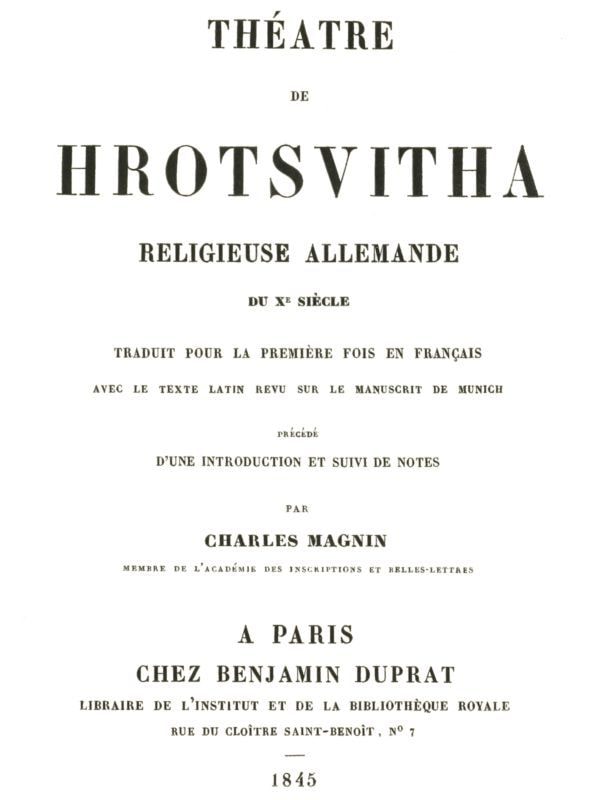
Translated by François Guizot
A tragedy written in the early 17th century. The play spans a time frame of sixteen years and explores themes of jealousy, redemption, and the passage of time through intertwined stories of love and betrayal. The main characters include Leontes, the king of Sicilia, whose unfounded jealousy sets off a tragic chain of events, and Hermione, his wrongfully accused wife. At the start of the play, we are introduced to the friendship between Leontes and Polixenes, the king of Bohemia. As Polixenes visits Sicilia, Leontes's suspicion that Hermione is having an affair with him grows uncontrollably. The first act sets the stage for the unfolding drama, as Leontes's jealousy leads him to falsely accuse Hermione and isolate her from their son, Mamilius. The audience can sense the impending tragedy as the characters' fates begin to intertwine under the weight of Leontes's misguided suspicion and the consequences of his actions.
Editions
X-Ray
“Exit, pursued by a bear.””
— William Shakespeare
“A sad tale's best for winter: I have one of sprites and goblins.””
— William Shakespeare
“Though I am not naturally honest, I am sometimes so by chance.””
— William Shakespeare
“I do feel it gone, But know not how it went””
— William Shakespeare
“What a fool honesty is.””
— William Shakespeare
“It is an heretic that makes the fire, Not she which burns in't.””
— William Shakespeare
“I have drunk and seen the spider.””
— William Shakespeare
“a wild dedication of yourselvesTo undiscovered waters, undreamed shores.””
— William Shakespeare
“There's some ill planet reigns:I must be patient till the heavens lookWith an aspect more favourable. Good my lords,I am not prone to weeping, as our sexCommonly are; the want of which vain dewPerchance shall dry your pities: but I haveThat honourable grief lodged here which burnsWorse than tears drown: beseech you all, my lords,With thoughts so qualified as your charitiesShall best instruct you, measure me; and soThe king's will be perform'd!””
— William Shakespeare
Link to this book
Add a free, dofollow link to Lex on your blog, forum, syllabus, or reading list.

<a href="https://lex-books.com/book/le-conte-d-hiver-07b60ba1-f13a-4d36-9072-8f330cde0927"><img src="https://lex-books.com/badges/read-on-lex.svg" alt="Read Le Conte D'hiver by William Shakespeare free on Lex" width="160" height="40"></a>[](https://lex-books.com/book/le-conte-d-hiver-07b60ba1-f13a-4d36-9072-8f330cde0927)[url=https://lex-books.com/book/le-conte-d-hiver-07b60ba1-f13a-4d36-9072-8f330cde0927][img]https://lex-books.com/badges/read-on-lex.svg[/img][/url]Read Le Conte D'hiver by William Shakespeare free on Lex: https://lex-books.com/book/le-conte-d-hiver-07b60ba1-f13a-4d36-9072-8f330cde0927Cite this book
Reading this edition for a paper or guide? Copy a citation.
Shakespeare, William. Le Conte D'hiver. Lex, lex-books.com/book/le-conte-d-hiver-07b60ba1-f13a-4d36-9072-8f330cde0927.Shakespeare, W. (1623). Le Conte D'hiver. Lex. https://lex-books.com/book/le-conte-d-hiver-07b60ba1-f13a-4d36-9072-8f330cde0927Shakespeare, William. Le Conte D'hiver. Lex. https://lex-books.com/book/le-conte-d-hiver-07b60ba1-f13a-4d36-9072-8f330cde0927.