
Woodrow Wilson
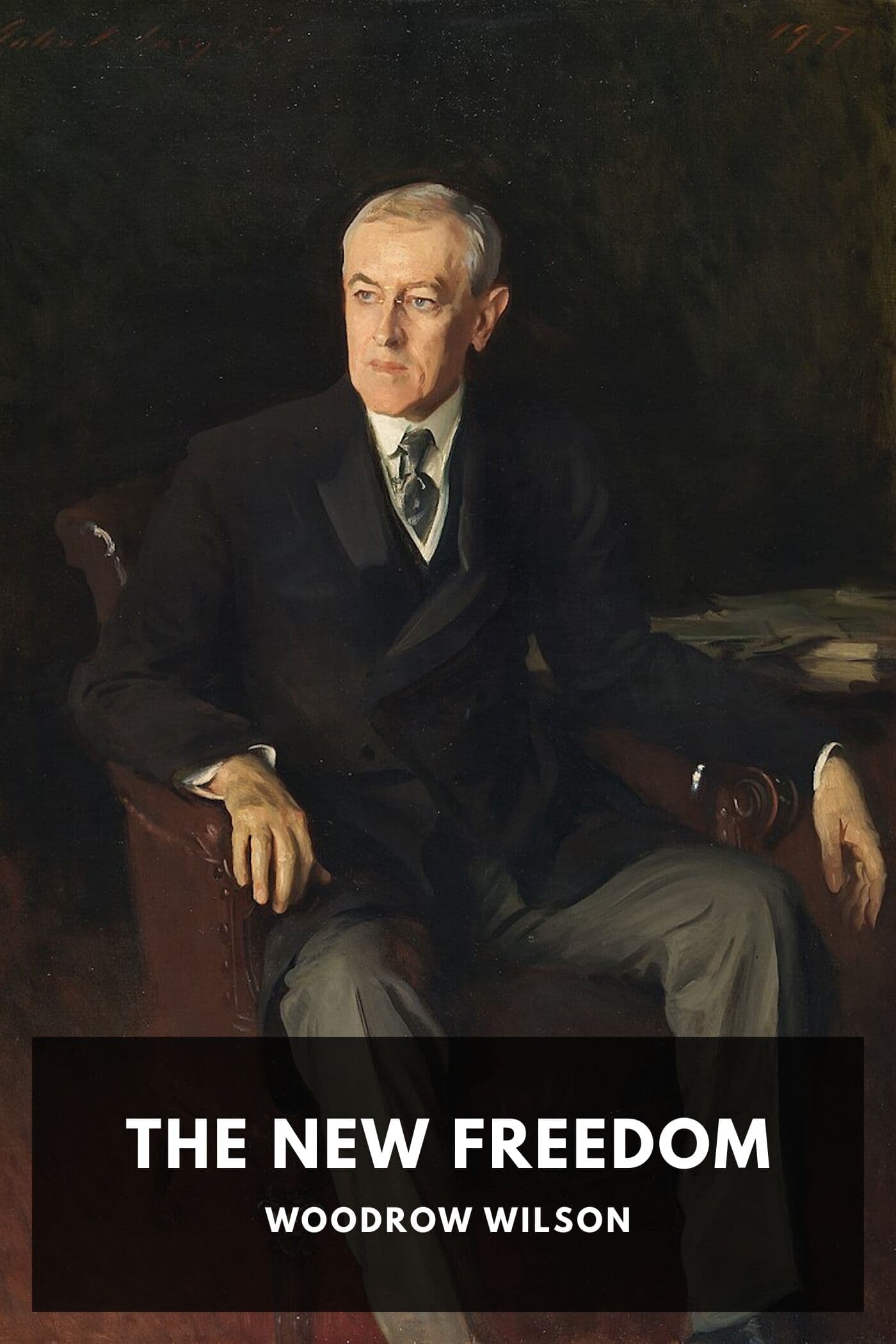
Thomas Woodrow Wilson was the 28th president of the United States, serving from 1913 to 1921, and the only Democrat to hold the presidency during the Progressive Era. Born in Staunton, Virginia, Wilson grew up amidst the tumult of the American Civil War and Reconstruction. He earned a Ph.D. in history and political science from Johns Hopkins University and later became a prominent academic, serving as president of Princeton University. His political career began as the governor of New Jersey, where he championed progressive reforms and broke away from entrenched party bosses, setting the stage for his presidential campaign in 1912. Wilson's victory marked the first time a Southerner had won the presidency since 1848, defeating both the incumbent William Howard Taft and former president Theodore Roosevelt. As president, Wilson implemented significant economic changes through his New Freedom agenda, which included the Revenue Act of 1913 that established the modern income tax and the Federal Reserve Act that created the Federal Reserve System. His foreign policy, characterized by a commitment to neutrality at the onset of World War I, evolved as he sought to mediate peace between warring nations. Ultimately, Wilson led the U.S. into the war, becoming a key architect of the League of Nations, a precursor to the United Nations. Despite his progressive domestic policies, his administration was marked by controversial decisions, including the imposition of racial segregation in federal offices and resistance to women's suffrage. Wilson's legacy is complex, reflecting both his contributions to American governance and the contradictions of his policies.
Famous Quotes
View all 20 quotes“I not only use all the brains that I have, but all I can borrow.””
“If a dog will not come to you after having looked you in the face, you should go home and examine your conscience.””
“You are not here merely to make a living. You are here in order to enable the world to live more amply, with greater vision, with a finer spirit of hope and achievement. You are here to enrich the world, and you impoverish yourself if you forget the errand.””
Books from the author











Link to this page
Add a free, dofollow link to Lex on your blog, forum, syllabus, or reading list.

<a href="https://lex-books.com/author/woodrow-wilson"><img src="https://lex-books.com/badges/read-on-lex.svg" alt="Woodrow Wilson on Lex" width="160" height="40"></a>[](https://lex-books.com/author/woodrow-wilson)[url=https://lex-books.com/author/woodrow-wilson][img]https://lex-books.com/badges/read-on-lex.svg[/img][/url]Woodrow Wilson on Lex: https://lex-books.com/author/woodrow-wilson