
Filson Young
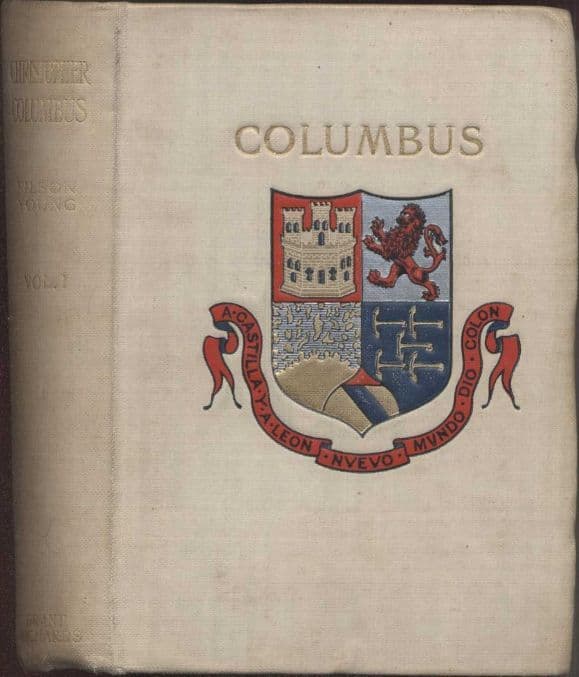
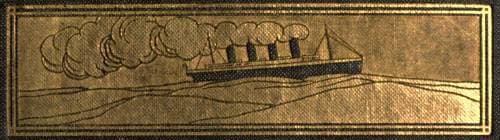
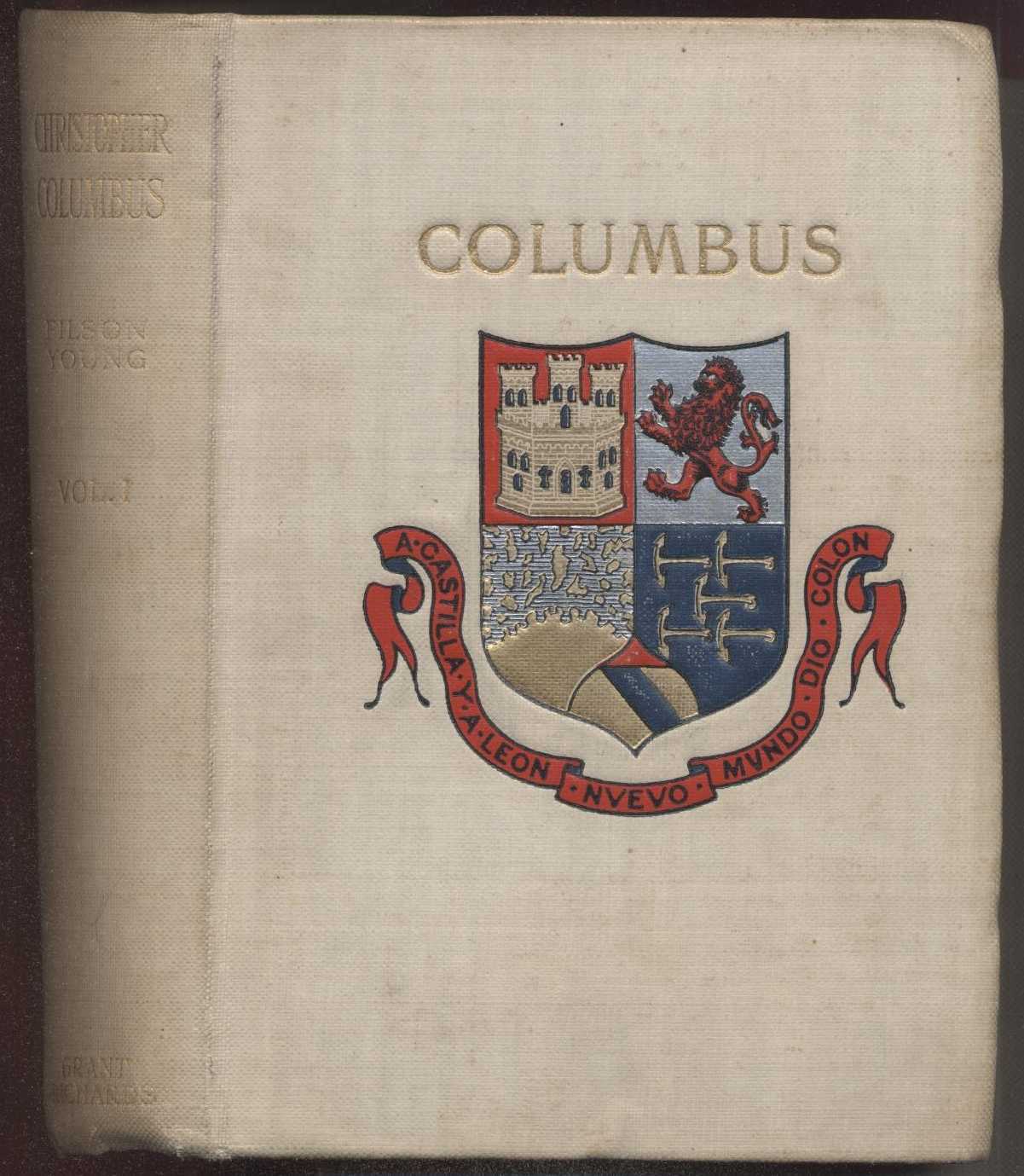
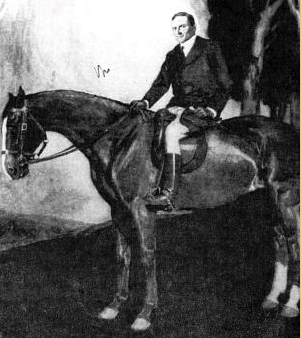
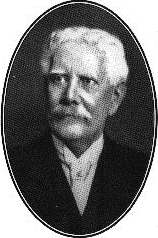
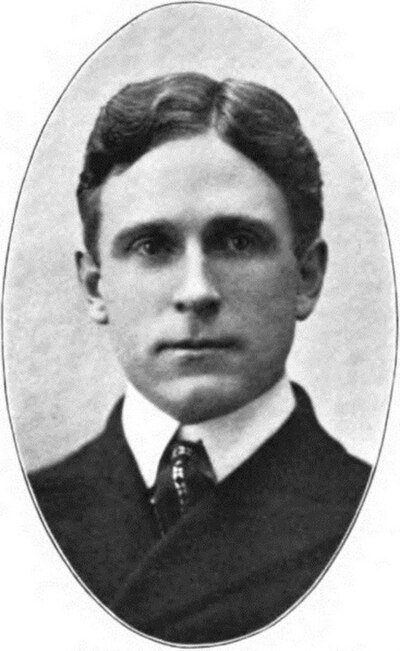
Filson Young was a prominent journalist and author from Northern Ireland, best known for his groundbreaking work on the RMS Titanic. In 1912, just 37 days after the tragic sinking, he published 'Titanic,' the first book to chronicle the disaster, establishing him as a significant figure in maritime literature. His timely and detailed account not only captured the public's fascination but also set a precedent for future works on the subject, highlighting the human stories intertwined with the tragedy. In addition to his literary contributions, Young served as a war correspondent during the Boer War and World War I, providing firsthand accounts of the conflicts. His diverse career also included roles as a programmes advisor for the BBC and as an organist and composer. Young authored two novels and was recognized as a pioneer in motoring and aviation, reflecting his multifaceted interests and talents. His legacy endures through his influential writings and his role in shaping early 20th-century journalism and literature.
Famous Quotes
View all 2 quotes“The Titanic was in more senses than one a fool’s paradise. There is nothing that man can build that nature cannot destroy, and far as he may advance in might and knowledge and cunning, her blind strength will always be more than his match.”
“green triangle of the shore. Behind you the Copeland”
Books from the author






Link to this page
Add a free, dofollow link to Lex on your blog, forum, syllabus, or reading list.

<a href="https://lex-books.com/author/filson-young"><img src="https://lex-books.com/badges/read-on-lex.svg" alt="Filson Young on Lex" width="160" height="40"></a>[](https://lex-books.com/author/filson-young)[url=https://lex-books.com/author/filson-young][img]https://lex-books.com/badges/read-on-lex.svg[/img][/url]Filson Young on Lex: https://lex-books.com/author/filson-young