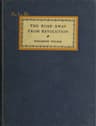
The Road Away from Revolution
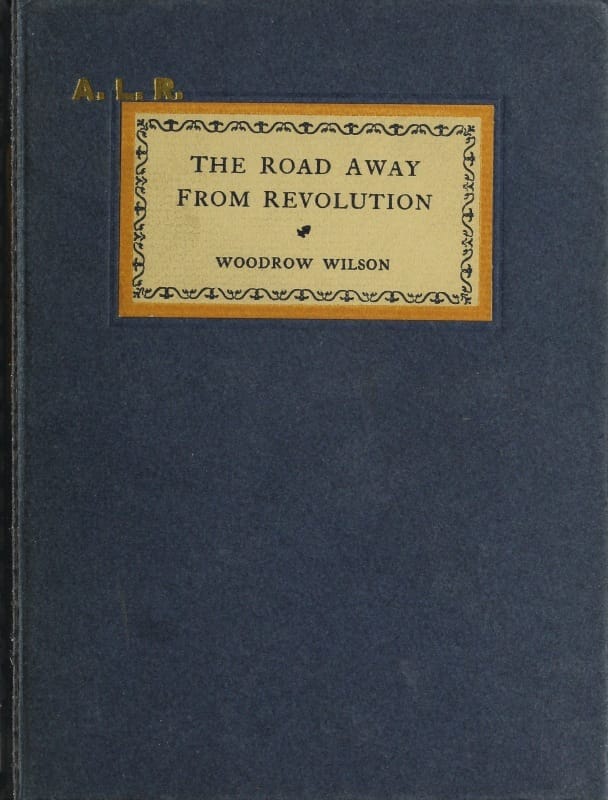
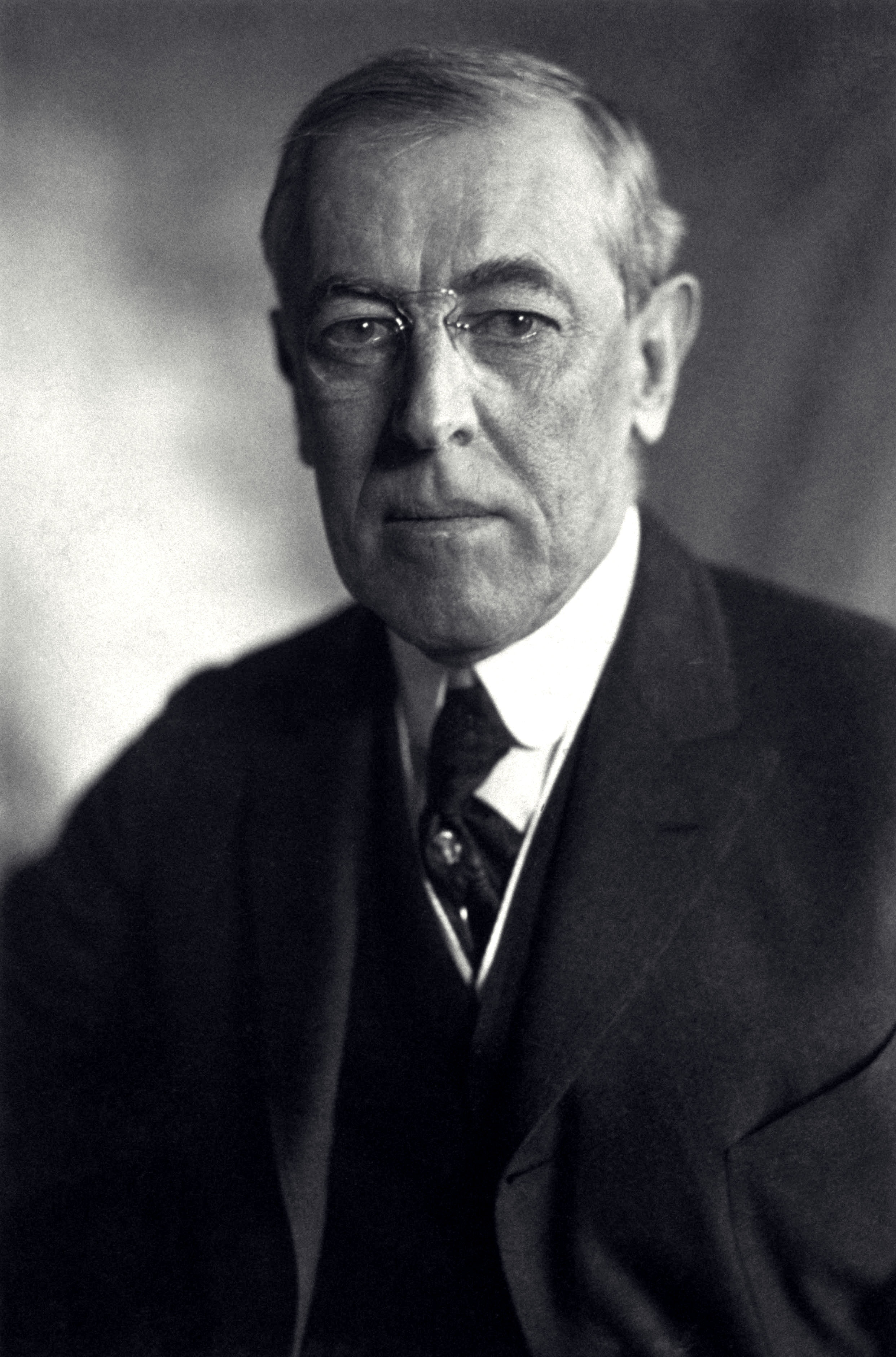
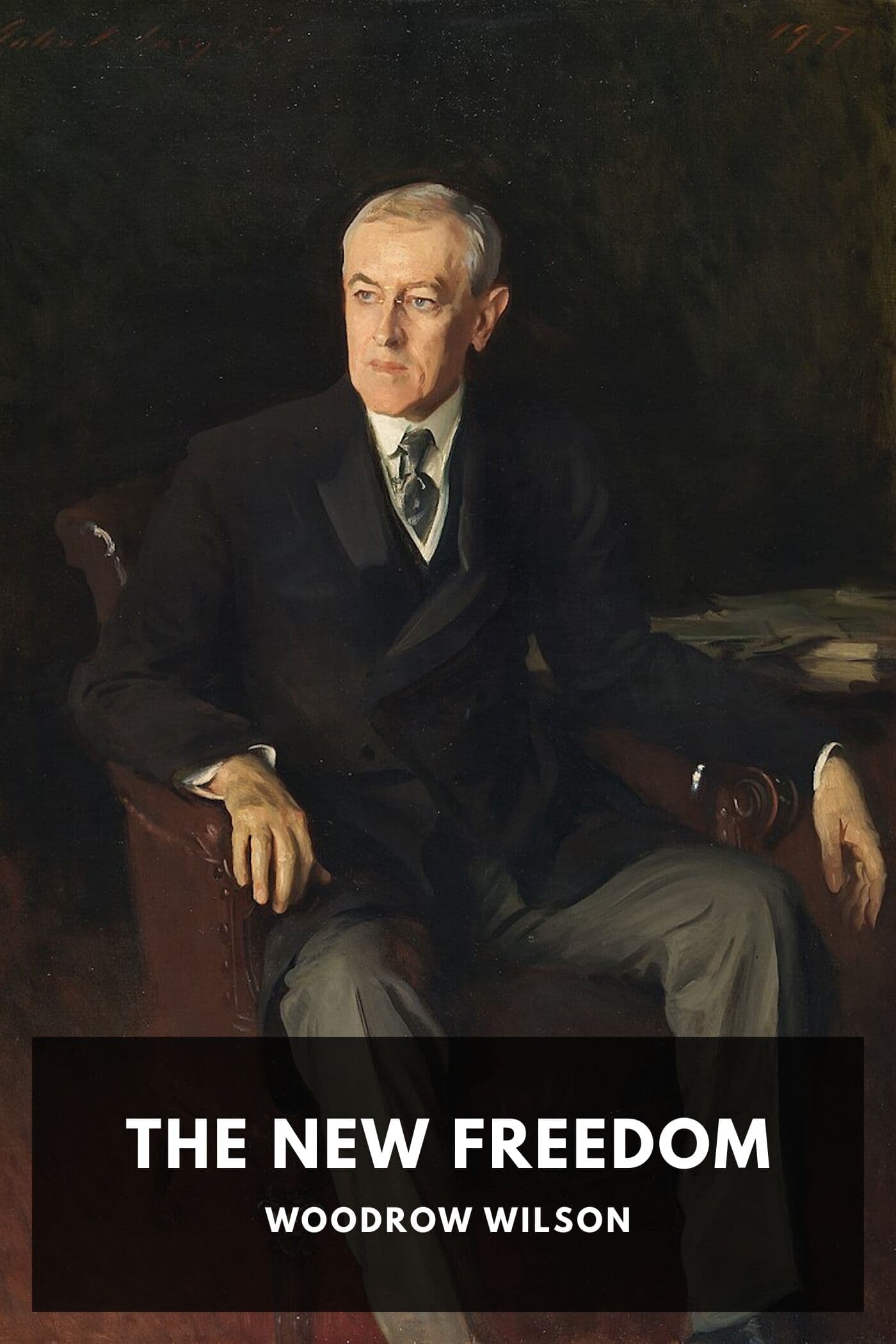
What happens when the man who led America through the World War turns his analytical eye on the Russian Revolution? Woodrow Wilson, writing in the volatile aftermath of 1917, offers a president's rare autopsy of radical upheaval. This concise, trenchant essay dissects the economic and social conditions that birthed revolution, examining how discontent festers within capitalist systems and what, if anything, can be done to prevent the combustible mixture from igniting. Wilson writes not as a detached scholar but as a practical statesman who witnessed the tremors of revolution shaking Europe firsthand. The essay is striking for its sympathy and its blind spots in equal measure. Wilson grasped that material despair drives radicalism, yet his prescriptions remained firmly within the liberal democratic tradition he represented. The work endures as a period piece, a snapshot of how one American leader processed the 20th century's most consequential upheaval. It is required reading for anyone curious about the intellectual roots of American responses to communism and the limits of Progressive Era reformism when confronted with genuine revolutionary fervor.
Editions
Link to this book
Add a free, dofollow link to Lex on your blog, forum, syllabus, or reading list.

<a href="https://lex-books.com/book/the-road-away-from-revolution-50e432c7-b292-496a-a2fa-974e8b792c87"><img src="https://lex-books.com/badges/read-on-lex.svg" alt="Read The Road Away from Revolution by Woodrow Wilson free on Lex" width="160" height="40"></a>[](https://lex-books.com/book/the-road-away-from-revolution-50e432c7-b292-496a-a2fa-974e8b792c87)[url=https://lex-books.com/book/the-road-away-from-revolution-50e432c7-b292-496a-a2fa-974e8b792c87][img]https://lex-books.com/badges/read-on-lex.svg[/img][/url]Read The Road Away from Revolution by Woodrow Wilson free on Lex: https://lex-books.com/book/the-road-away-from-revolution-50e432c7-b292-496a-a2fa-974e8b792c87Cite this book
Reading this edition for a paper or guide? Copy a citation.
Wilson, Woodrow. The Road Away from Revolution. Lex, lex-books.com/book/the-road-away-from-revolution-50e432c7-b292-496a-a2fa-974e8b792c87.Wilson, W. (n.d.). The Road Away from Revolution. Lex. https://lex-books.com/book/the-road-away-from-revolution-50e432c7-b292-496a-a2fa-974e8b792c87Wilson, Woodrow. The Road Away from Revolution. Lex. https://lex-books.com/book/the-road-away-from-revolution-50e432c7-b292-496a-a2fa-974e8b792c87.