
Armando Palacio Valdés
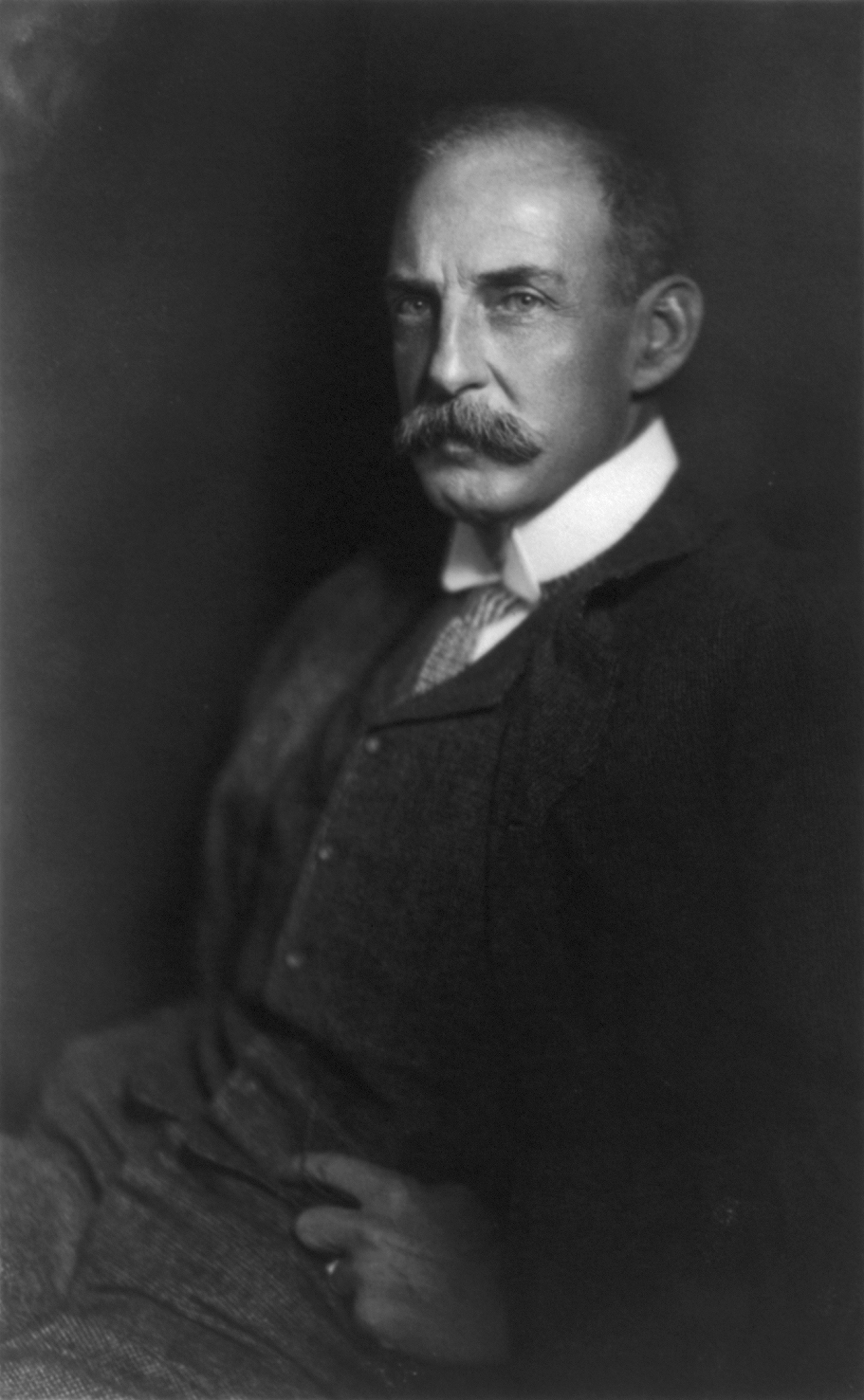
Armando Palacio Valdés was a prominent Spanish novelist and playwright, known for his keen observations of society and his exploration of human emotions. Born in the region of Asturias, Valdés began his career in the late 19th century, a time when Spanish literature was undergoing significant transformation. His early works, such as 'Marta y María' and 'La hermana San Sulpicio,' showcased his ability to blend realism with romantic elements, earning him a reputation as a leading figure in the Spanish literary scene. Valdés's narratives often reflected the social issues of his time, including class struggles and the complexities of love and friendship. Throughout his career, Valdés produced a diverse body of work that included novels, essays, and plays, but he is perhaps best remembered for his novels that delve into the intricacies of human relationships. His writing style, characterized by its clarity and emotional depth, influenced subsequent generations of Spanish writers. Valdés's contributions to literature were recognized during his lifetime, and he remains a significant figure in the canon of Spanish literature, celebrated for his ability to capture the essence of the human experience amidst the backdrop of a changing society.
Famous Quotes
View all 9 quotes“El arte, lo mismo que el misticismo, concluyen por alterar nuestro desenvolvimiento orgánico.””
“un traje decente, una taza de café, al teatro los sábados y a los conciertos los domingos de primavera.””
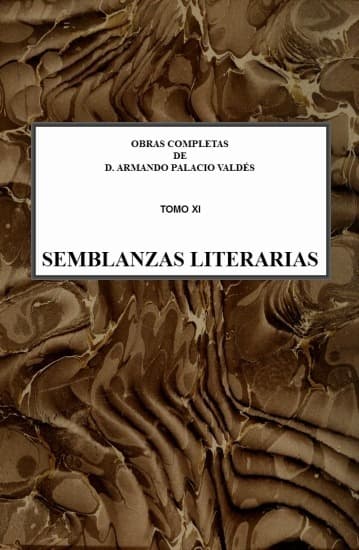
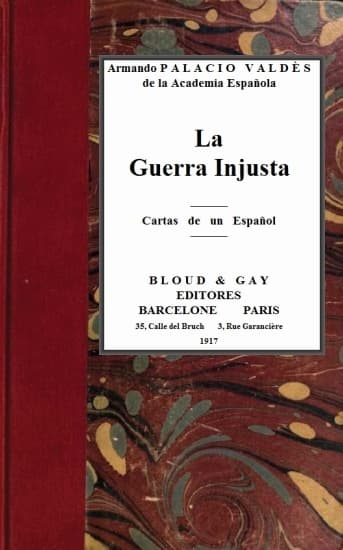
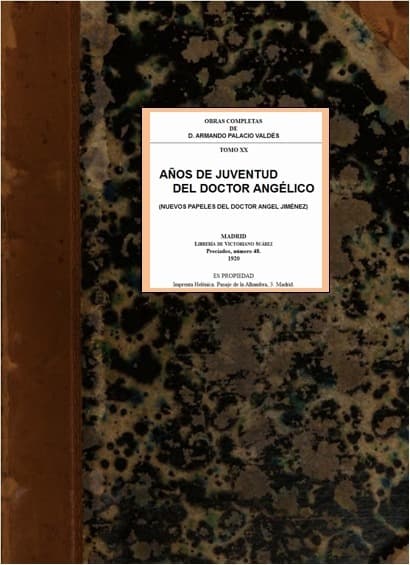
Books from the author







Link to this page
Add a free, dofollow link to Lex on your blog, forum, syllabus, or reading list.

<a href="https://lex-books.com/author/armando-palacio-valdés"><img src="https://lex-books.com/badges/read-on-lex.svg" alt="Armando Palacio Valdés on Lex" width="160" height="40"></a>[](https://lex-books.com/author/armando-palacio-valdés)[url=https://lex-books.com/author/armando-palacio-valdés][img]https://lex-books.com/badges/read-on-lex.svg[/img][/url]Armando Palacio Valdés on Lex: https://lex-books.com/author/armando-palacio-valdés