Congressional Government: A Study in American Politics
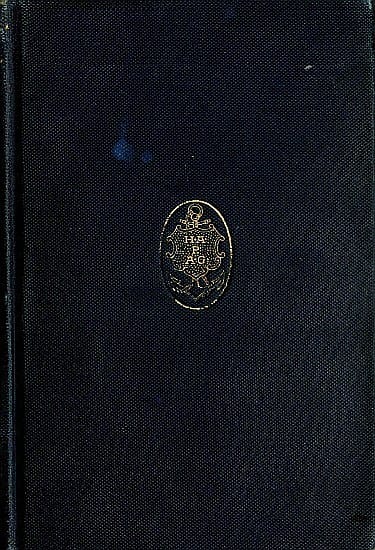
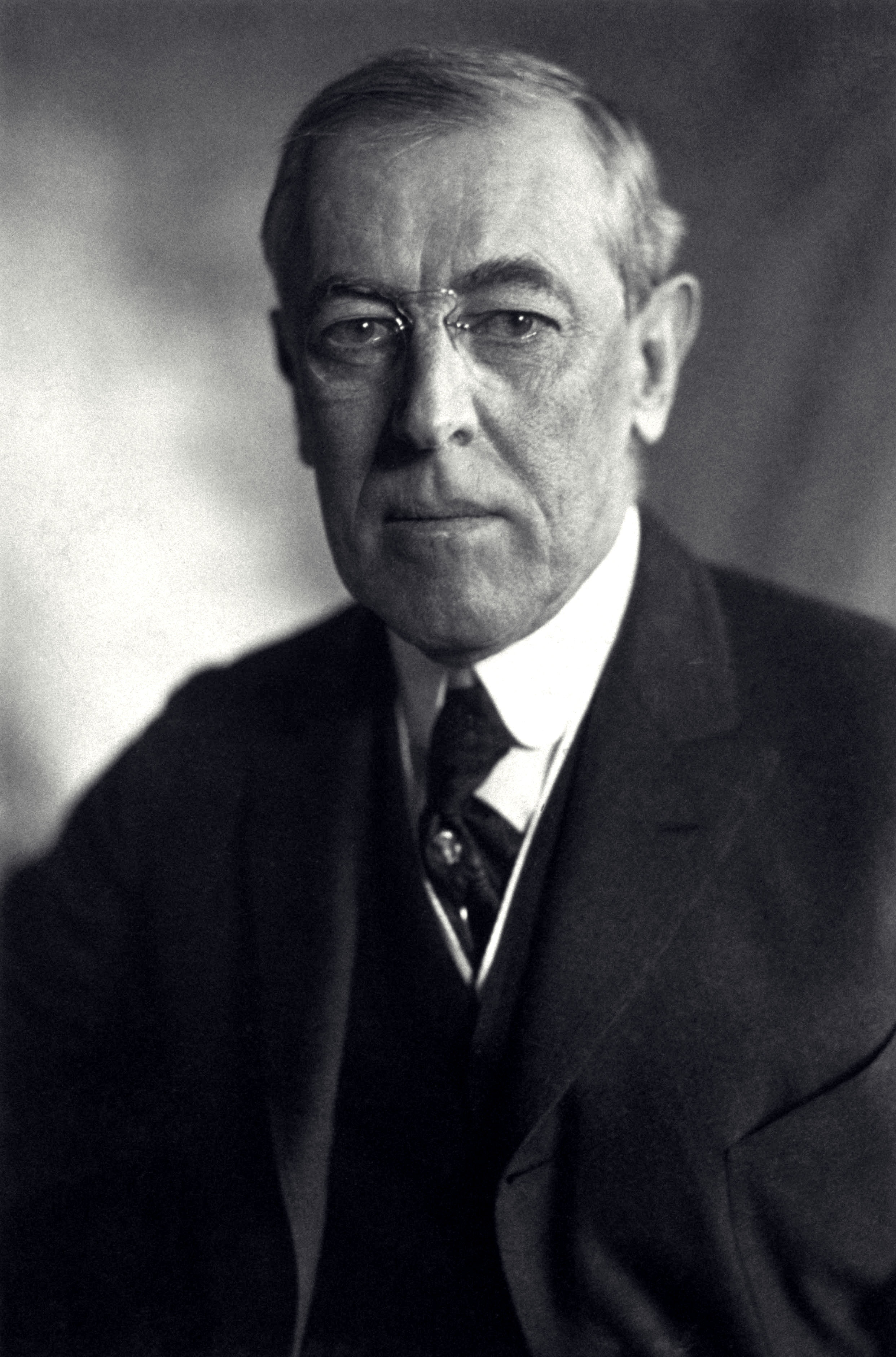
In 1885, a twenty-eight-year-old graduate student published a razor-sharp analysis of American government. He had never set foot in Congress. He would later become the twenty-eighth President of the United States. Woodrow Wilson's achievement in Congressional Government is twofold: he dismantled the comfortable fiction that America operates a balanced system of separated powers, and he argued instead that the nation is governed, in practice, by congressional committees operating in near-darkness, answerable to no single authority. Wilson compares the American legislative system to its European parliamentary counterparts and finds our arrangement not just different, but deliberately fragmented in ways that frustrate both democratic accountability and energetic governance. The book remains astonishing for its prescience. Wilson identified the committee system as the hidden engine of American politics, a observation that has only grown more pertinent with time. This is foundational American political science: a young mind applying rigorous analysis to the machinery of self-government, and finding that the Constitution on paper looks very different from the Constitution in practice.
Editions
X-Ray
“How is the schoolmaster, the nation, to know which boy needs the whipping?””
— Woodrow Wilson
“The proposals of the Chancellor of the Exchequer with reference to changes in taxation are in like manner embodied in resolutions in Committee of Ways and Means, and subsequently, upon the report of the Committee, passed by the House in the shape of Bills, "Ways and Means Bills" generally pass the Lords without trouble. The absolute control of the Commons over the subjects of revenue and supply has been so long established that the upper House would not now dream of disputing it; and as the power of the Lords is simply a privilege to accept or reject a money bill as a whole, including no right to amend, the peers are wont to let such bills go through without much scrutiny.””
— Woodrow Wilson
“In a word, the national parties do not act in Congress under the restraint of a sense of immediate responsibility””
— Woodrow Wilson
“This balance of judiciary against legislature and executive would seem, therefore, to be another of those ideal balances which are to be found in the books rather than in the rough realities of actual practice; for manifestly the power of the courts is safe only during seasons of political peace, when parties are not aroused to passion or tempted by the command of irresistible majorities.””
— Woodrow Wilson
“Indeed it is quite evident that if federal power be not altogether irresponsible, it is the federal judiciary which is the only effectual balance-wheel of the whole system.””
— Woodrow Wilson
“The President was denied formal precedence in dignity by the Governor of New York, and must himself have felt inclined to question the consequence of his official station, when he found that amongst the principal questions with which he had to deal were some which concerned no greater things than petty points of etiquette and ceremonial;””
— Woodrow Wilson
“If that was the American system, then drastic changes would be necessary in it. For Congressional Government, which Wilson described fearlessly and faithfully in his book, was intolerably bad government. Wilson never doubted that for good government there must be a strong Executive. If the office of President had fallen irrevocably from that "first estate of dignity"[9] which it had among the Founding Fathers, then the remedy for the radical defect of the system would lie in making a strong executive out of a responsible cabinet.””
— Woodrow Wilson
Link to this book
Add a free, dofollow link to Lex on your blog, forum, syllabus, or reading list.

<a href="https://lex-books.com/book/congressional-government-a-study-in-american-politics-69fa6eb1-0102-49d3-8578-558ea5fea53f"><img src="https://lex-books.com/badges/read-on-lex.svg" alt="Read Congressional Government: A Study in American Politics by Woodrow Wilson free on Lex" width="160" height="40"></a>[](https://lex-books.com/book/congressional-government-a-study-in-american-politics-69fa6eb1-0102-49d3-8578-558ea5fea53f)[url=https://lex-books.com/book/congressional-government-a-study-in-american-politics-69fa6eb1-0102-49d3-8578-558ea5fea53f][img]https://lex-books.com/badges/read-on-lex.svg[/img][/url]Read Congressional Government: A Study in American Politics by Woodrow Wilson free on Lex: https://lex-books.com/book/congressional-government-a-study-in-american-politics-69fa6eb1-0102-49d3-8578-558ea5fea53fCite this book
Reading this edition for a paper or guide? Copy a citation.
Wilson, Woodrow. Congressional Government: A Study in American Politics. Lex, lex-books.com/book/congressional-government-a-study-in-american-politics-69fa6eb1-0102-49d3-8578-558ea5fea53f.Wilson, W. (n.d.). Congressional Government: A Study in American Politics. Lex. https://lex-books.com/book/congressional-government-a-study-in-american-politics-69fa6eb1-0102-49d3-8578-558ea5fea53fWilson, Woodrow. Congressional Government: A Study in American Politics. Lex. https://lex-books.com/book/congressional-government-a-study-in-american-politics-69fa6eb1-0102-49d3-8578-558ea5fea53f.