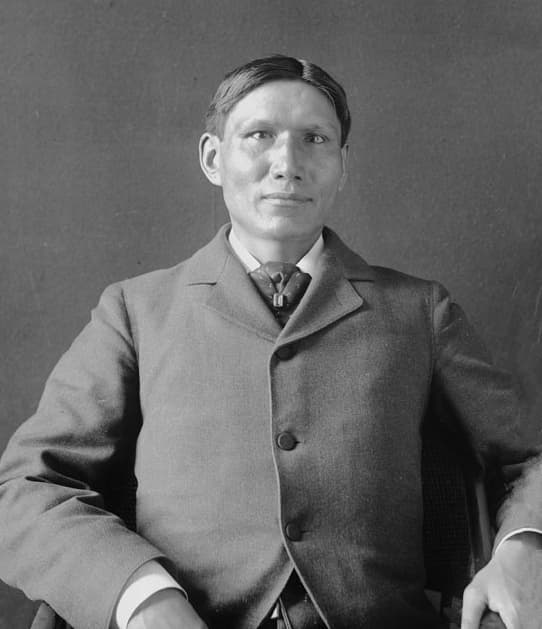
Charles A. Eastman
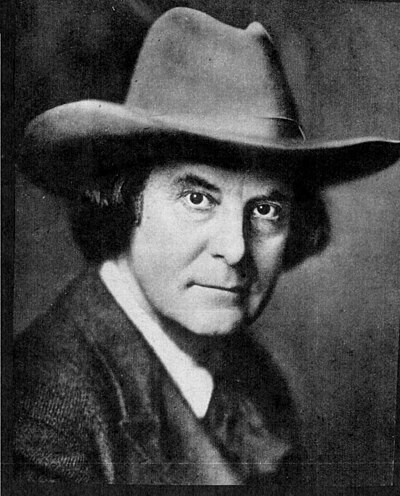
Charles A. Eastman, born Hakadah and later named Ohíye S'a, was a pioneering figure in the early 20th century who made significant contributions as a physician, writer, and social reformer. As one of the first Native Americans certified in Western medicine, he dedicated his career to improving the health and welfare of Native American communities, particularly on reservations in South Dakota. His mixed heritage of Santee Dakota, English, and French descent informed his unique perspective on the challenges faced by Native peoples during a time of significant cultural upheaval in the United States. Eastman was also a prolific author and speaker, focusing on Sioux ethnohistory and American Indian affairs. His notable works include "Indian Boyhood" and "The Soul of the Indian," which provided insights into Native American culture and spirituality while advocating for their rights and recognition. Beyond his literary contributions, he played a crucial role in youth development by founding thirty-two Native American chapters of the YMCA and helping to establish the Boy Scouts of America. Eastman's legacy as an advocate for Native American rights and a historian continues to resonate, marking him as a significant figure in both medicine and literature.
Famous Quotes
View all 1 quotes“It is my personal belief, after thirty-five years’ experience of it, that there is no such thing as ‘Christian civilization.’ I believe that Christianity and modern civilization are opposed and irreconcilable, and that the spirit of Christianity and of our ancient religion is essentially the same.”
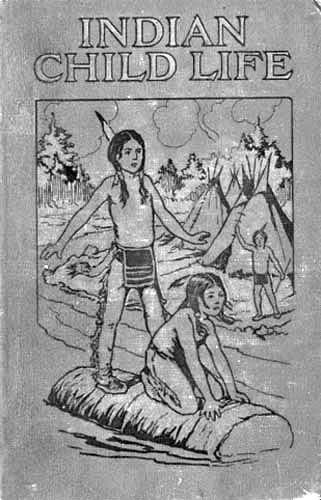
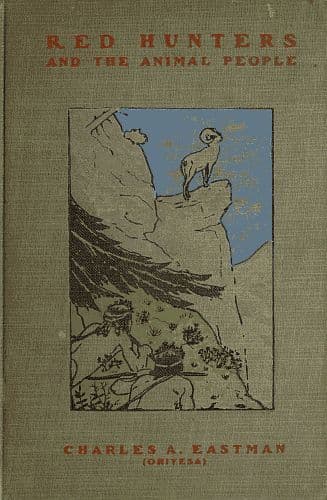
Books from the author



Link to this page
Add a free, dofollow link to Lex on your blog, forum, syllabus, or reading list.

<a href="https://lex-books.com/author/charles-a-eastman"><img src="https://lex-books.com/badges/read-on-lex.svg" alt="Charles A. Eastman on Lex" width="160" height="40"></a>[](https://lex-books.com/author/charles-a-eastman)[url=https://lex-books.com/author/charles-a-eastman][img]https://lex-books.com/badges/read-on-lex.svg[/img][/url]Charles A. Eastman on Lex: https://lex-books.com/author/charles-a-eastman