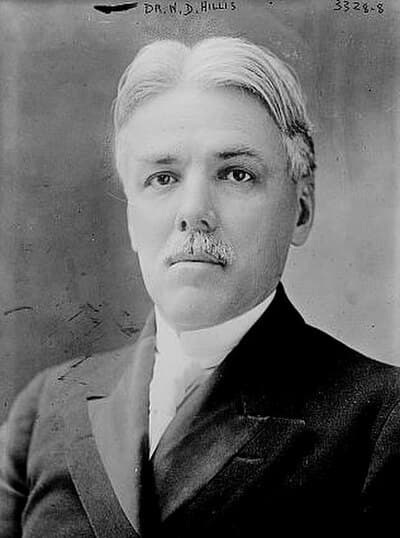
Newell Dwight Hillis
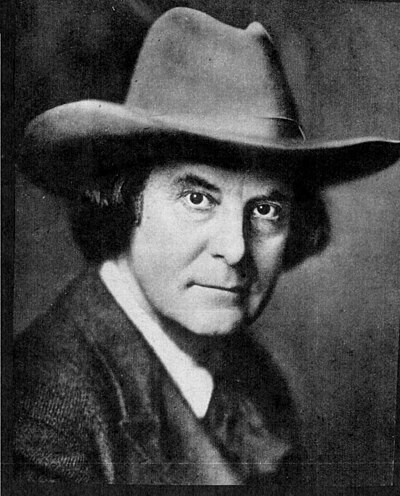
Newell Dwight Hillis was a prominent Congregationalist minister, writer, and philosopher known for his influential role in American religious and intellectual life during the late 19th and early 20th centuries. He served as the pastor of the historic Plymouth Church of the Pilgrims in Brooklyn, where he not only preached but also oversaw significant renovations that modernized the church. Hillis was deeply engaged in social issues of his time, advocating for social justice and the moral responsibilities of individuals in society. As an author, Hillis wrote extensively on themes of spirituality, ethics, and the intersection of religion and modernity. His notable works include "The Quest of the Ideal" and "The Man Who Knew," which reflect his philosophical inquiries and his commitment to addressing the moral challenges of contemporary life. Hillis's writings and sermons contributed to the discourse on the role of faith in a rapidly changing world, making him a significant figure in the development of progressive religious thought. His legacy endures through his contributions to both literature and the social conscience of his era.
Famous Quotes
View all 3 quotes“Failure is blindness to the strategic element in events; success is readiness for instant action when the opportune moment arrives.”
“The theologies of fear are breaking up. The philosophy organized about terror and Satan is giving way to one organized about love and Jesus Christ.”
“The measure of civilization for a nation is found in the number and quality of its heroes and people.”
Books from the author






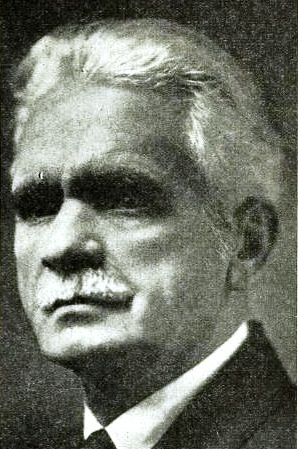
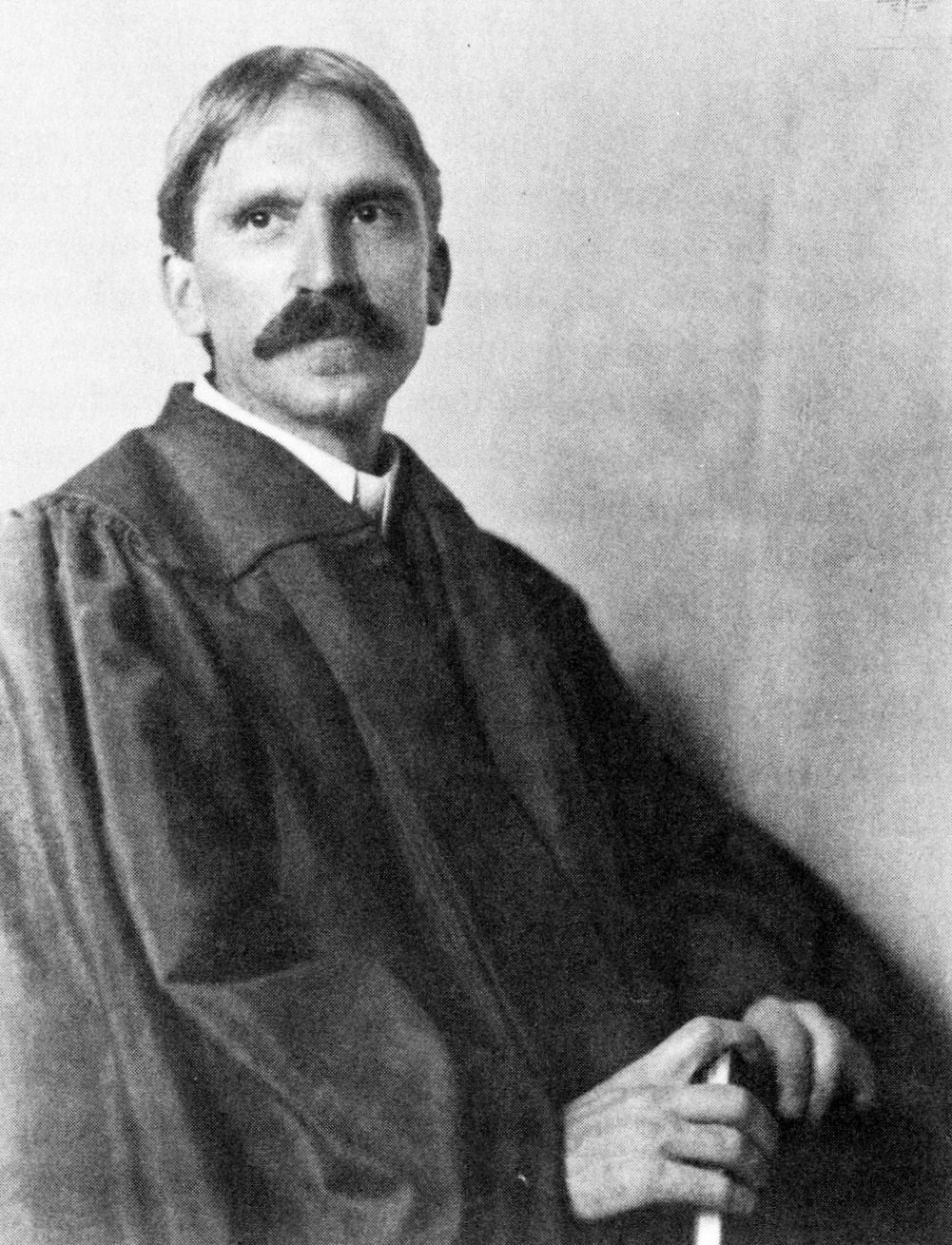

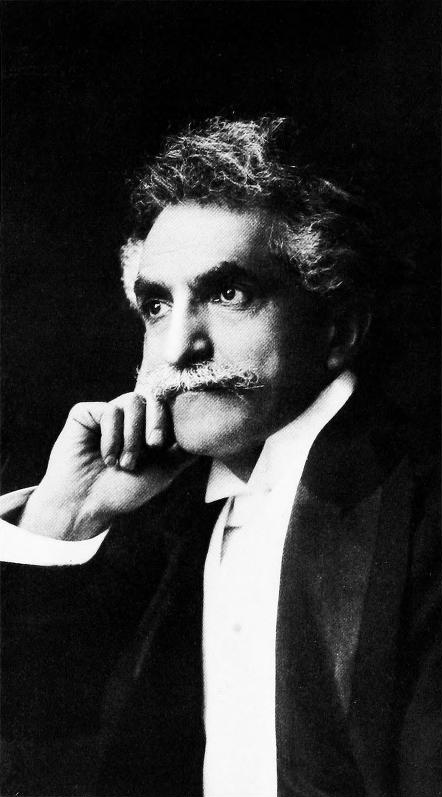


Link to this page
Add a free, dofollow link to Lex on your blog, forum, syllabus, or reading list.

<a href="https://lex-books.com/author/newell-dwight-hillis"><img src="https://lex-books.com/badges/read-on-lex.svg" alt="Newell Dwight Hillis on Lex" width="160" height="40"></a>[](https://lex-books.com/author/newell-dwight-hillis)[url=https://lex-books.com/author/newell-dwight-hillis][img]https://lex-books.com/badges/read-on-lex.svg[/img][/url]Newell Dwight Hillis on Lex: https://lex-books.com/author/newell-dwight-hillis