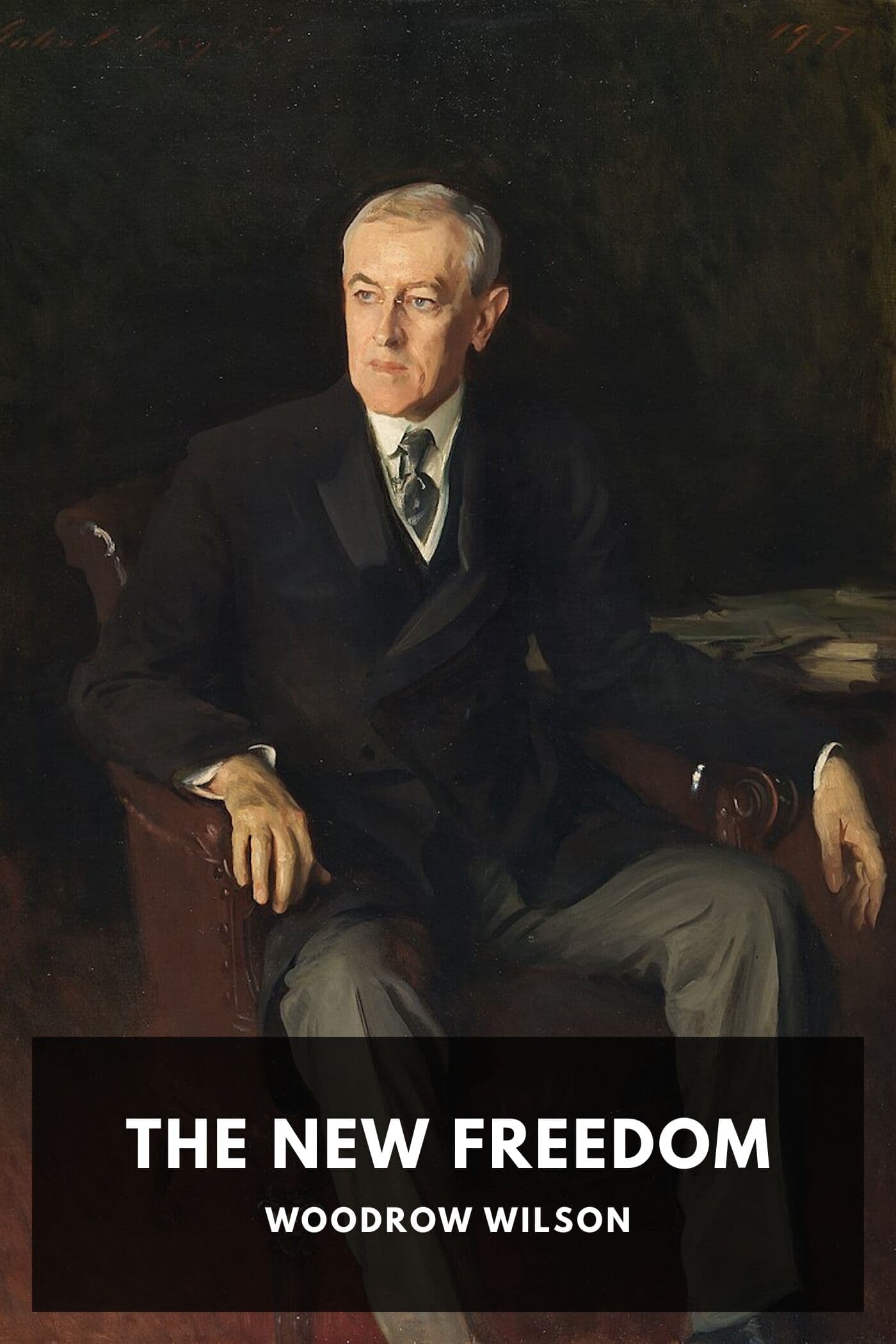
The New Freedom: A Call for the Emancipation of the Generous Energies of a People
The New Freedom: A Call for the Emancipation of the Generous Energies of a People
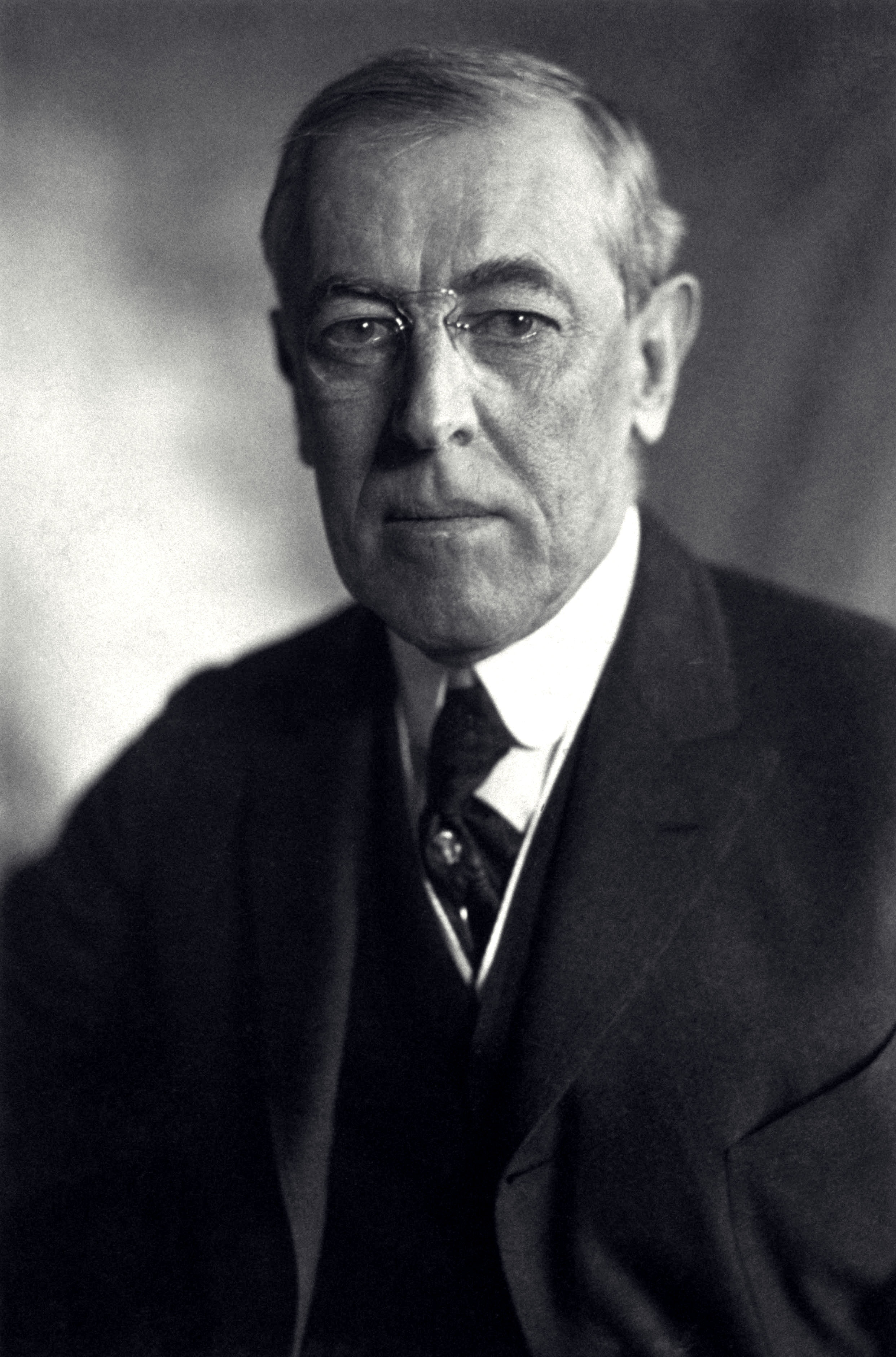
This is Woodrow Wilson's 1913 campaign manifesto, written as he prepared to occupy the White House. It stands as one of the most articulate statements of Progressive Era political thought - a passionate argument for breaking up concentrated economic power and restoring genuine democratic self-governance. Wilson saw America as having drifted from its foundations, captured by 'special interests' and dominated by corporate monopolies that had reduced free citizens to dependent cogs in a 'robot' system. His prescription was 'the new freedom' - a revolutionary recasting of the relationship between government and the governed, one that would 'emancipate the generous energies' of ordinary Americans from the stranglehold of consolidated wealth. The prose carries a Victorian grandiloquence, sometimes abstract, often soaring. What makes this document essential reading today is not merely its historical weight - it's the dissonance. Here is Wilson writing with genuine moral urgency about economic inequality and democratic renewal, while the man himself had inherited and owned enslaved people. The contradictions are the point. This is where modern American political rhetoric finds some of its deepest roots.
Editions
X-Ray
“Since I entered politics, I have chiefly had men's views confided to me privately. Some of the biggest men in the United States, in the field of commerce and manufacture, are afraid of something. They know that there is a power somewhere so organized, so subtle, so watchful, so interlocked, so complete, so pervasive, that they better not speak above their breath when they speak in condemnation of it.””
— Woodrow Wilson
“If there are men in this country big enough to own the government of the United States, they are going to own it; what we have to determine now is whether we are big enough, whether we are men enough, whether we are free enough, to take possession again of the government which is our own.””
— Woodrow Wilson
“A great industrial nation is controlled by its system of credit. Our system of credit is concentrated. The growth of the Nation, therefore, and all our activities are in the hands of a few men ♦ ♦ *, We have come to be one of the worst ruled, one of the most completely controlled and dominated Governments in the civilised world”
— Woodrow Wilson
Link to this book
Add a free, dofollow link to Lex on your blog, forum, syllabus, or reading list.

<a href="https://lex-books.com/book/the-new-freedom-a-call-for-the-emancipation-of-the-generous-energies-of-a-people-d97e28a8-4dd1-4446-8f79-ffbcbe94066e"><img src="https://lex-books.com/badges/read-on-lex.svg" alt="Read The New Freedom: A Call for the Emancipation of the Generous Energies of a People by Woodrow Wilson free on Lex" width="160" height="40"></a>[](https://lex-books.com/book/the-new-freedom-a-call-for-the-emancipation-of-the-generous-energies-of-a-people-d97e28a8-4dd1-4446-8f79-ffbcbe94066e)[url=https://lex-books.com/book/the-new-freedom-a-call-for-the-emancipation-of-the-generous-energies-of-a-people-d97e28a8-4dd1-4446-8f79-ffbcbe94066e][img]https://lex-books.com/badges/read-on-lex.svg[/img][/url]Read The New Freedom: A Call for the Emancipation of the Generous Energies of a People by Woodrow Wilson free on Lex: https://lex-books.com/book/the-new-freedom-a-call-for-the-emancipation-of-the-generous-energies-of-a-people-d97e28a8-4dd1-4446-8f79-ffbcbe94066eCite this book
Reading this edition for a paper or guide? Copy a citation.
Wilson, Woodrow. The New Freedom: A Call for the Emancipation of the Generous Energies of a People. Lex, lex-books.com/book/the-new-freedom-a-call-for-the-emancipation-of-the-generous-energies-of-a-people-d97e28a8-4dd1-4446-8f79-ffbcbe94066e.Wilson, W. (n.d.). The New Freedom: A Call for the Emancipation of the Generous Energies of a People. Lex. https://lex-books.com/book/the-new-freedom-a-call-for-the-emancipation-of-the-generous-energies-of-a-people-d97e28a8-4dd1-4446-8f79-ffbcbe94066eWilson, Woodrow. The New Freedom: A Call for the Emancipation of the Generous Energies of a People. Lex. https://lex-books.com/book/the-new-freedom-a-call-for-the-emancipation-of-the-generous-energies-of-a-people-d97e28a8-4dd1-4446-8f79-ffbcbe94066e.