Why We Are at War: Messages to the Congress, January to April 1917
1917
Why We Are at War: Messages to the Congress, January to April 1917
1917
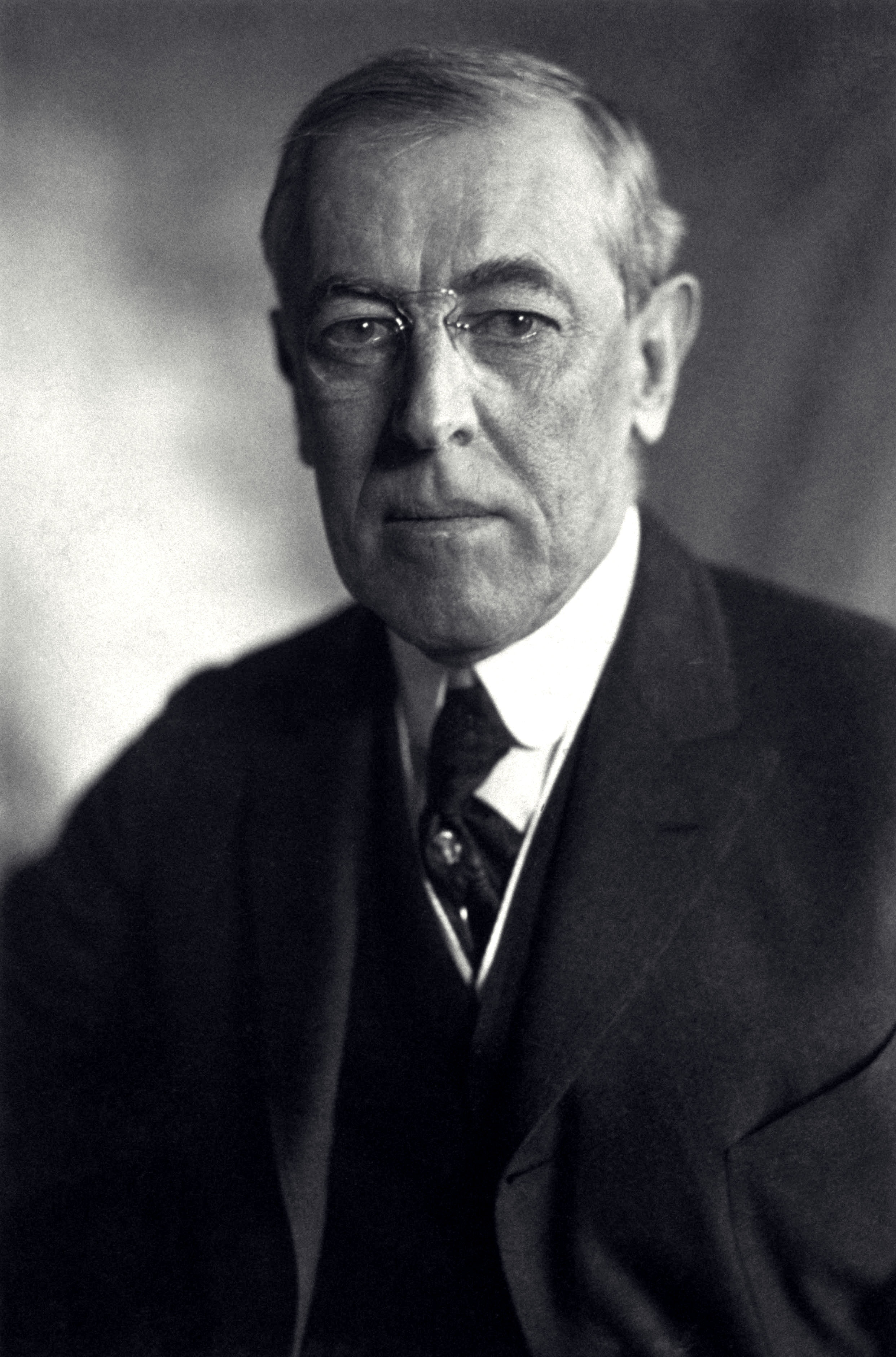
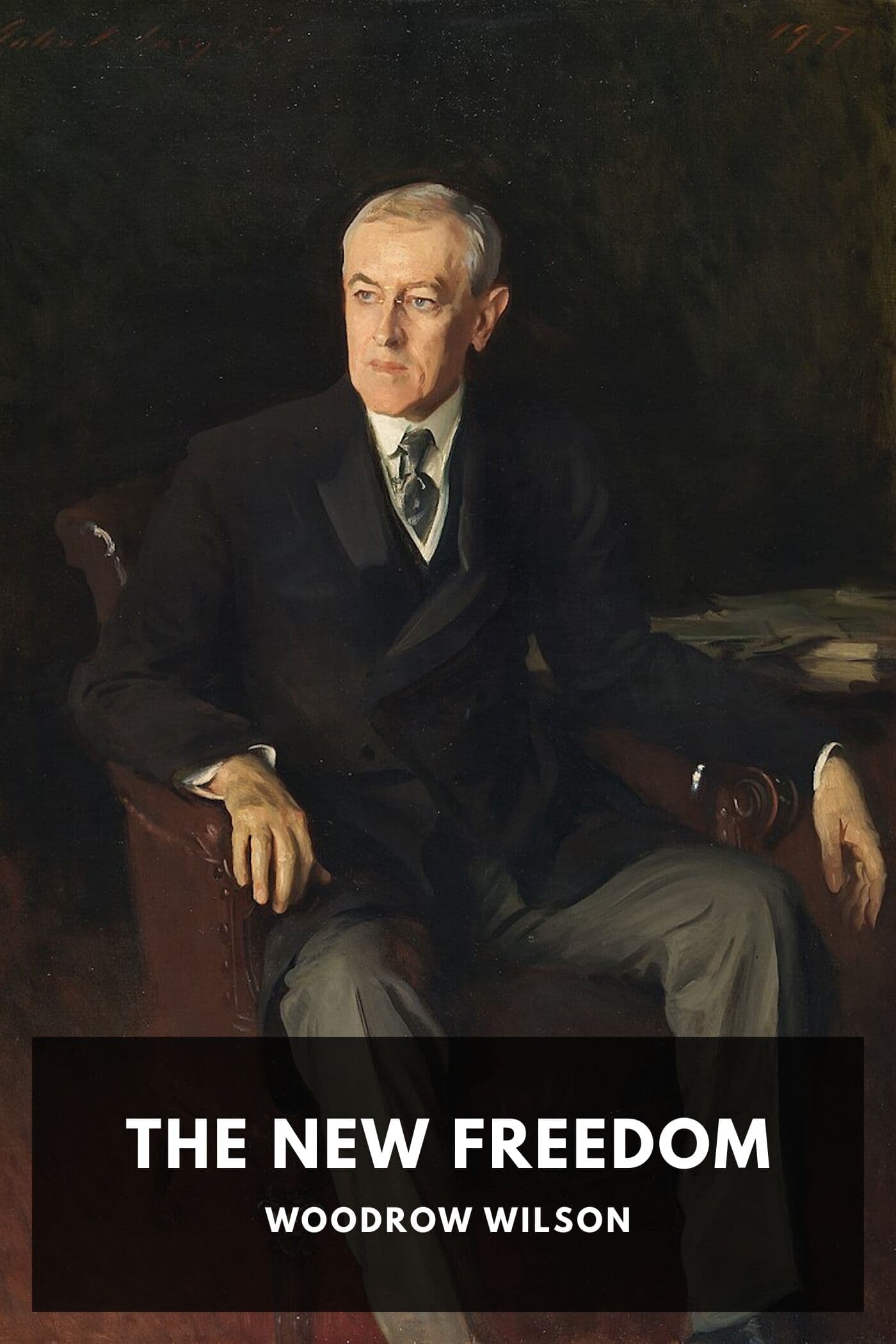
In the winter of 1917, a president who had spent three years pleading for American neutrality finally asked Congress for war. These are those messages. Woodrow Wilson, the most outspoken pacifist in the White House, had resisted the sinking of American ships, the death of American citizens, and the erosion of democratic ideals abroad. But Germany's return to unrestricted submarine warfare in January 1917 left him no choice. The speeches collected here trace his painful journey from reluctant neutrality to moral conviction: the case for war was not merely defensive, but idealistic. Wilson believed America had a duty to make the world safe for democracy, to strip autocracy of its power, and to build a peace that would prevent future catastrophes. The language is ornate, the reasoning philosophical, the stakes existential. Here is the birth of America's twentieth-century conscience, the moment the nation became a world power, and the rhetorical foundation for everything that followed: the League of Nations, the endless debates about American intervention, the idea that the nation's security is bound up with democracy everywhere. For readers interested in how empires decide to fight, how presidents persuade, and how idealism becomes a reason for war.
Editions
X-Ray
“Perhaps one did not want to be loved so much as to be understood.””
— Woodrow Wilson
“Who controls the past controls the future. Who controls the present controls the past.””
— Woodrow Wilson
“War is peace. Freedom is slavery. Ignorance is strength.””
— Woodrow Wilson
“The best books... are those that tell you what you know already.””
— Woodrow Wilson
“If you want to keep a secret, you must also hide it from yourself.””
— Woodrow Wilson
“If you want a picture of the future, imagine a boot stamping on a human face”
— Woodrow Wilson
“We shall meet in the place where there is no darkness.””
— Woodrow Wilson
“It was a bright cold day in April, and the clocks were striking thirteen.””
— Woodrow Wilson
“Doublethink means the power of holding two contradictory beliefs in one's mind simultaneously, and accepting both of them.””
— Woodrow Wilson
Link to this book
Add a free, dofollow link to Lex on your blog, forum, syllabus, or reading list.

<a href="https://lex-books.com/book/why-we-are-at-war-messages-to-the-congress-january-to-april-1917-20f04b68-89a9-4a53-8f5d-4958f130f362"><img src="https://lex-books.com/badges/read-on-lex.svg" alt="Read Why We Are at War: Messages to the Congress, January to April 1917 by Woodrow Wilson free on Lex" width="160" height="40"></a>[](https://lex-books.com/book/why-we-are-at-war-messages-to-the-congress-january-to-april-1917-20f04b68-89a9-4a53-8f5d-4958f130f362)[url=https://lex-books.com/book/why-we-are-at-war-messages-to-the-congress-january-to-april-1917-20f04b68-89a9-4a53-8f5d-4958f130f362][img]https://lex-books.com/badges/read-on-lex.svg[/img][/url]Read Why We Are at War: Messages to the Congress, January to April 1917 by Woodrow Wilson free on Lex: https://lex-books.com/book/why-we-are-at-war-messages-to-the-congress-january-to-april-1917-20f04b68-89a9-4a53-8f5d-4958f130f362Cite this book
Reading this edition for a paper or guide? Copy a citation.
Wilson, Woodrow. Why We Are at War: Messages to the Congress, January to April 1917. Lex, lex-books.com/book/why-we-are-at-war-messages-to-the-congress-january-to-april-1917-20f04b68-89a9-4a53-8f5d-4958f130f362.Wilson, W. (1917). Why We Are at War: Messages to the Congress, January to April 1917. Lex. https://lex-books.com/book/why-we-are-at-war-messages-to-the-congress-january-to-april-1917-20f04b68-89a9-4a53-8f5d-4958f130f362Wilson, Woodrow. Why We Are at War: Messages to the Congress, January to April 1917. Lex. https://lex-books.com/book/why-we-are-at-war-messages-to-the-congress-january-to-april-1917-20f04b68-89a9-4a53-8f5d-4958f130f362.