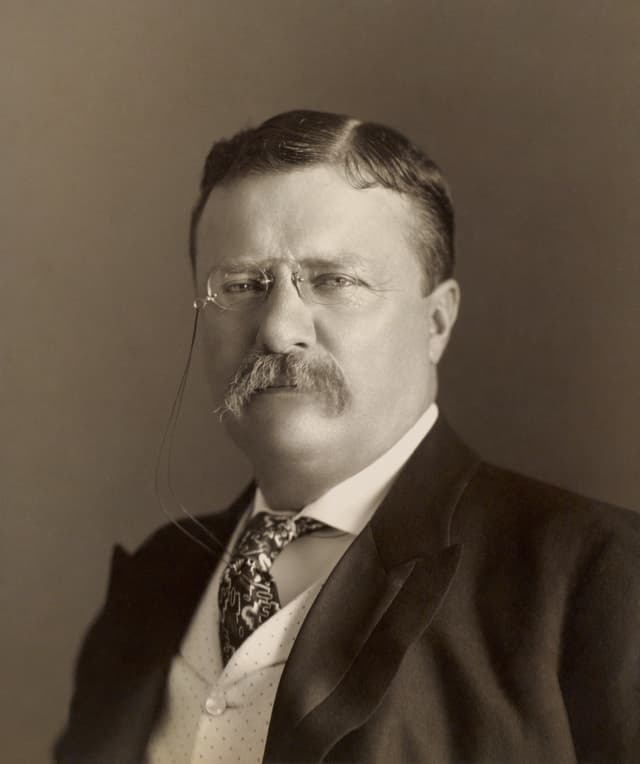
Theodore Roosevelt
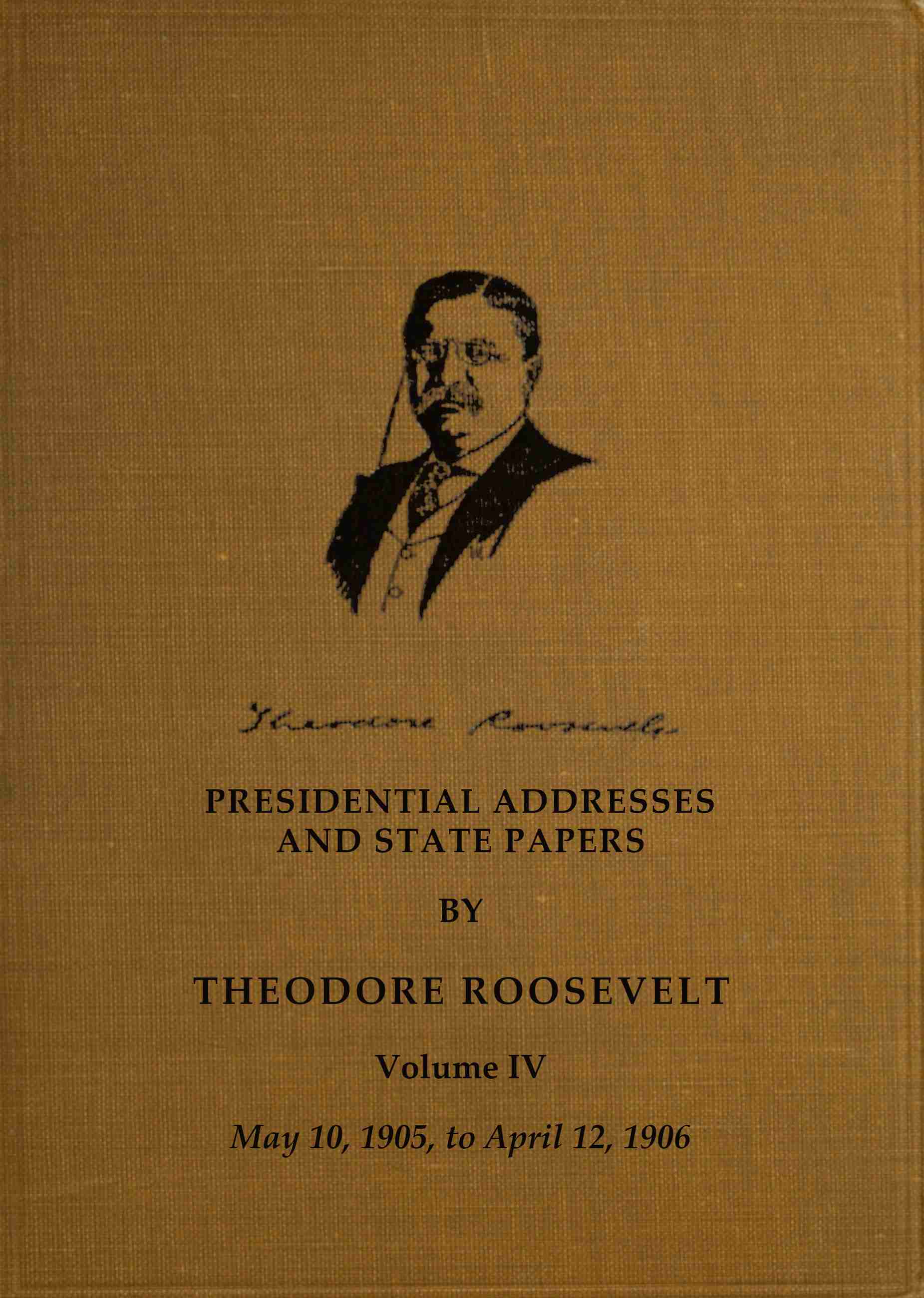
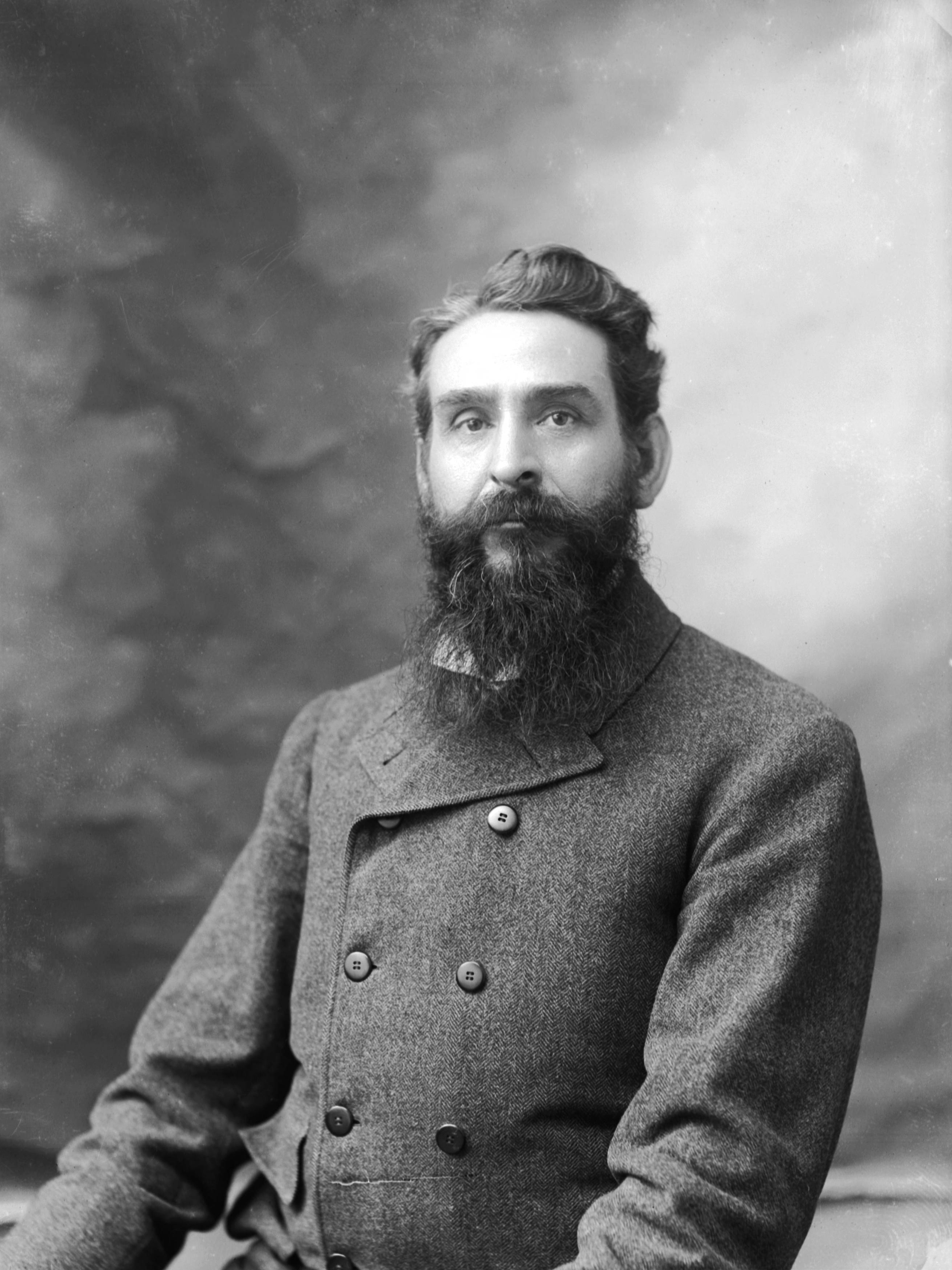
Theodore Roosevelt Jr., known as Teddy or T.R., was a prominent American statesman, historian, and author who served as the 26th president of the United States from 1901 to 1909. Born into a wealthy family, he faced significant health challenges in his youth, including severe asthma, which he overcame through a vigorous lifestyle. Educated at Harvard University, Roosevelt began his career in politics as a reform-minded leader in the New York State Legislature and later served as the state's governor. His early literary work, particularly 'The Naval War of 1812,' established him as a respected historian and popular writer, showcasing his passion for history and military strategy. As president, Roosevelt became a key figure in the Progressive Era, advocating for anti-trust legislation and implementing his 'Square Deal' policies aimed at ensuring fairness for all citizens. He was a pioneer in conservation, establishing numerous national parks, forests, and monuments to protect America's natural resources. His foreign policy initiatives included the construction of the Panama Canal and a focus on expanding American naval power, exemplified by the Great White Fleet's world tour. Roosevelt's diplomatic efforts earned him the Nobel Peace Prize in 1906, making him the first American and non-European laureate. His legacy as a reformer and leader of the Republican Party continues to influence American politics and environmental conservation efforts today.
Famous Quotes
View all 20 quotes“Do what you can, with what you have, where you are.””
“It is not the critic who counts; not the man who points out how the strong man stumbles, or where the doer of deeds could have done them better. The credit belongs to the man who is actually in the arena, whose face is marred by dust and sweat and blood; who strives valiantly; who errs, who comes short again and again, because there is no effort without error and shortcoming; but who does actually strive to do the deeds; who knows great enthusiasms, the great devotions; who spends himself in a worthy cause; who at the best knows in the end the triumph of high achievement, and who at the worst, if he fails, at least fails while daring greatly, so that his place shall never be with those cold and timid souls who neither know victory nor defeat.””
“It is hard to fail, but it is worse never to have tried to succeed.””
Books from the author






Link to this page
Add a free, dofollow link to Lex on your blog, forum, syllabus, or reading list.

<a href="https://lex-books.com/author/theodore-roosevelt"><img src="https://lex-books.com/badges/read-on-lex.svg" alt="Theodore Roosevelt on Lex" width="160" height="40"></a>[](https://lex-books.com/author/theodore-roosevelt)[url=https://lex-books.com/author/theodore-roosevelt][img]https://lex-books.com/badges/read-on-lex.svg[/img][/url]Theodore Roosevelt on Lex: https://lex-books.com/author/theodore-roosevelt