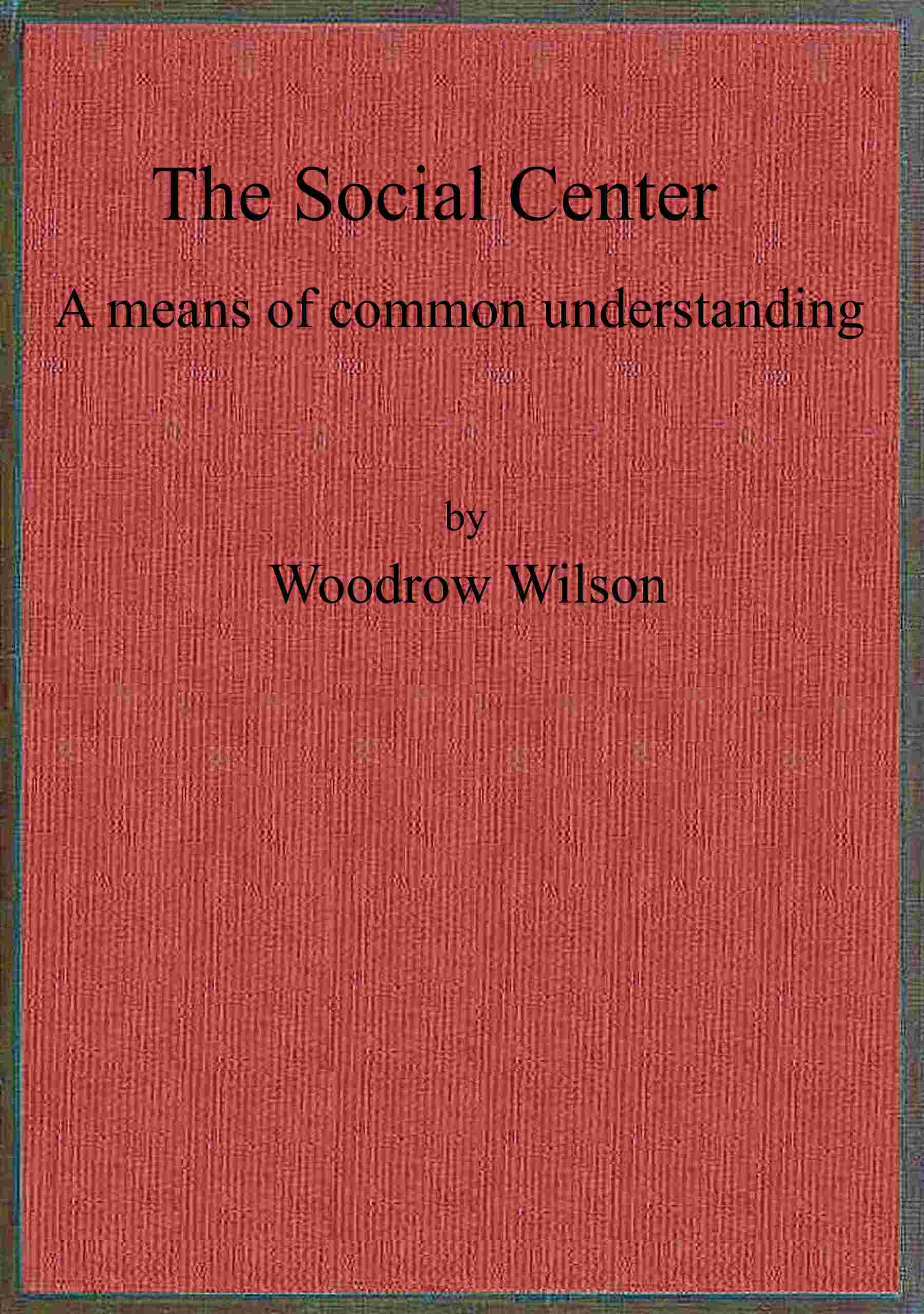
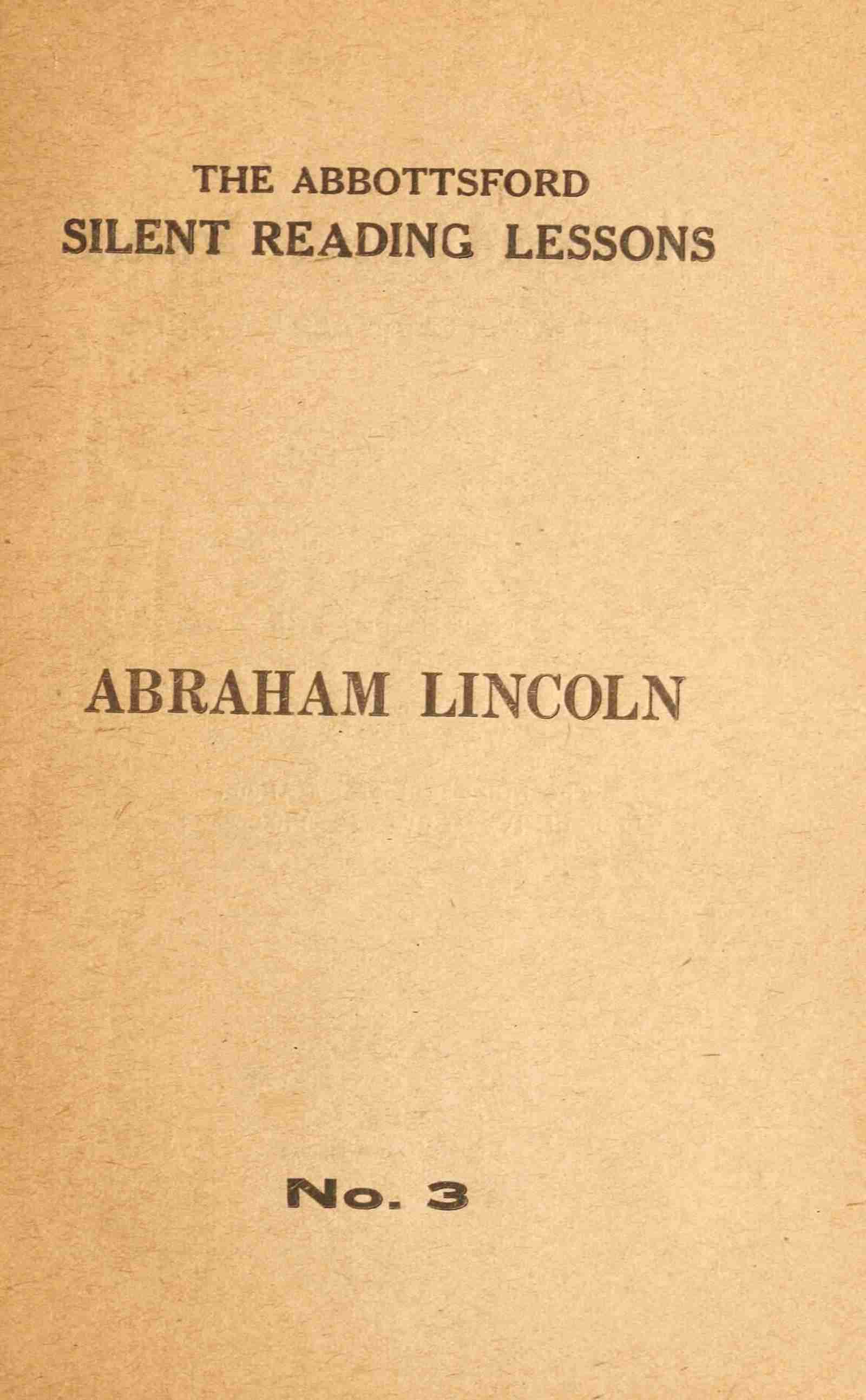
Abraham Lincoln
1916
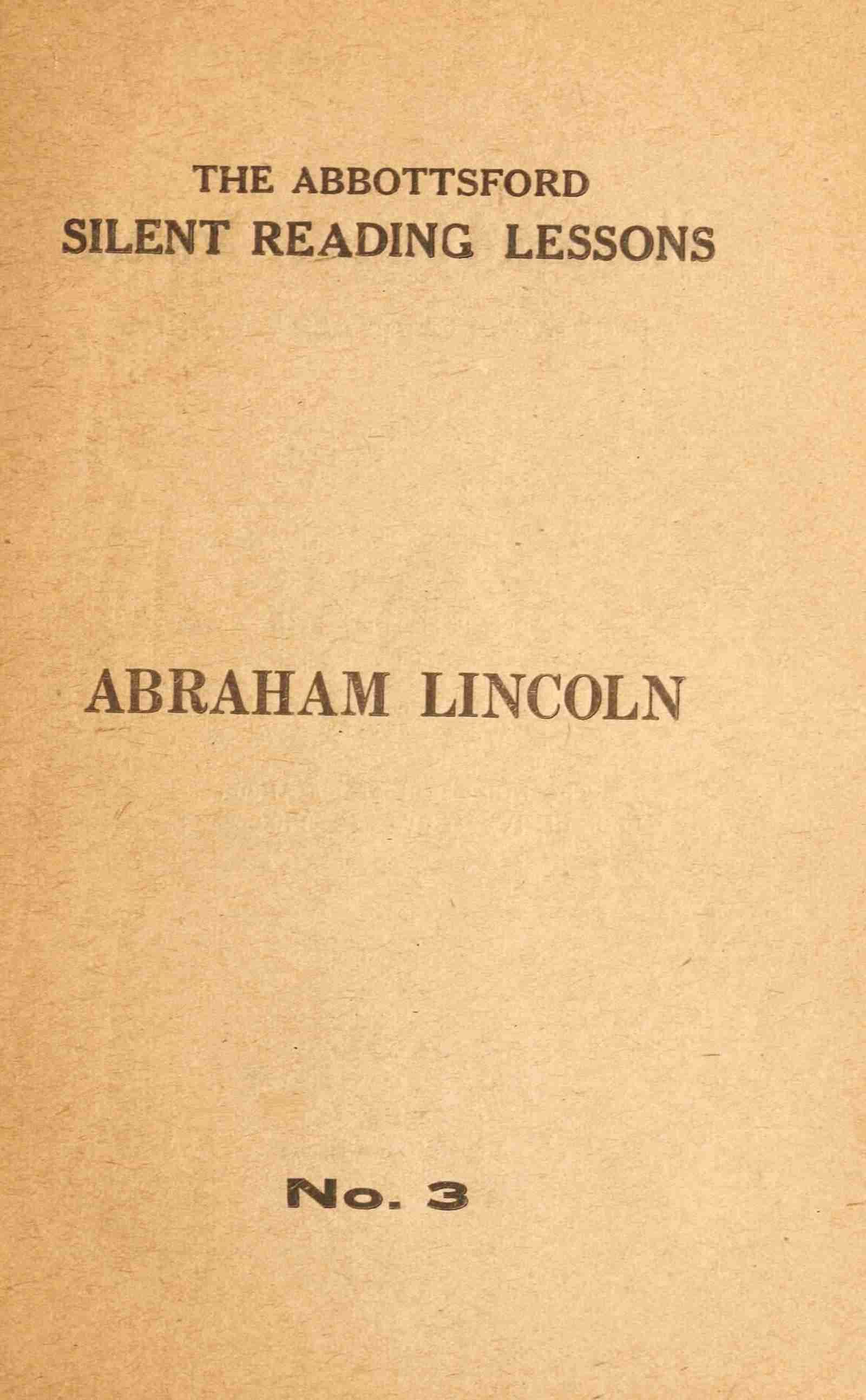
Two American presidents look back at the man who saved the union Woodrow Wilson and Theodore Roosevelt each deliver their vision of Abraham Lincoln in this slim, reverent volume published in 1916, a half-century after the president's assassination. Wilson traces Lincoln's improbable rise from log cabin to the White House, dwelling on the democratic ideals that shaped a leader forged from frontier hardship. Roosevelt offers a more intimate portrait of Lincoln as a war president, wrestling with the impossible weight of holding a fractured nation together. These are not biographies in the modern sense but meditations on leadership, citizenship, and the moral responsibilities of power. They were written for an America still living in Lincoln's long shadow, wrestling with questions of unity and purpose that feel strikingly contemporary. The speeches exist in that peculiar space between history and hagiography, capturing how two very different presidents each needed Lincoln to mean something. For readers interested in how the past has been commemorated, and what we choose to remember about our greatest figures, this is a fascinating time capsule of presidential reverence.
Editions
X-Ray
“But every difference of opinion is not a difference of principle.””
— Woodrow Wilson
“the government both in the executive and the legislative branches must carry out in good faith the platforms upon which the party was entrusted with power. But the government is that of the whole people; the party is the instrument through which policies are determined and men chosen to bring them into being. The animosities of elections should have no place in our Government, for government must concern itself alone with the common weal.””
— Woodrow Wilson
“Things in life will not always run smoothly. Sometimes we will be rising toward the heights”
— Woodrow Wilson
“This is preeminently the time to speak the truth, the whole truth, frankly and boldly. Nor need we shrink from honestly facing conditions in our country today. This great Nation will endure as it has endured, will revive and will prosper. So, first of all, let me assert my firm belief that the only thing we have to fear is fear itself”
— Woodrow Wilson
“The chief duty of the National Government in connection with the currency of the country is to coin money and declare its value. Grave doubts have been entertained whether Congress is authorized by the Constitution to make any form of paper money legal tender. The present issue of United States notes has been sustained by the necessities of war; but such paper should depend for its value and currency upon its convenience in use and its prompt redemption in coin at the will of the holder, and not upon its compulsory circulation. These notes are not money, but promises to pay money.””
— Woodrow Wilson
“Harrison’s 8,400-word inaugural speech was the longest ever, while his 30-day Presidency was the shortest.””
— Woodrow Wilson
“How incredible it is that in this fragile existence, we should hate and destroy one another.””
— Woodrow Wilson
“Is our world gone? We say "Farewell." Is a new world coming? We welcome it, and we will bend it to the hopes of man.””
— Woodrow Wilson
“In 1826, the 50th anniversary of the Declaration of Independence, they both died. They died on the same day, within a few hours of each other, and that day was the Fourth of July.””
— Woodrow Wilson
Link to this book
Add a free, dofollow link to Lex on your blog, forum, syllabus, or reading list.

<a href="https://lex-books.com/book/abraham-lincoln-6520545f-17ec-4ca0-b71d-9a163775930c"><img src="https://lex-books.com/badges/read-on-lex.svg" alt="Read Abraham Lincoln by Woodrow Wilson free on Lex" width="160" height="40"></a>[](https://lex-books.com/book/abraham-lincoln-6520545f-17ec-4ca0-b71d-9a163775930c)[url=https://lex-books.com/book/abraham-lincoln-6520545f-17ec-4ca0-b71d-9a163775930c][img]https://lex-books.com/badges/read-on-lex.svg[/img][/url]Read Abraham Lincoln by Woodrow Wilson free on Lex: https://lex-books.com/book/abraham-lincoln-6520545f-17ec-4ca0-b71d-9a163775930cCite this book
Reading this edition for a paper or guide? Copy a citation.
Wilson, Woodrow. Abraham Lincoln. Lex, lex-books.com/book/abraham-lincoln-6520545f-17ec-4ca0-b71d-9a163775930c.Wilson, W. (1916). Abraham Lincoln. Lex. https://lex-books.com/book/abraham-lincoln-6520545f-17ec-4ca0-b71d-9a163775930cWilson, Woodrow. Abraham Lincoln. Lex. https://lex-books.com/book/abraham-lincoln-6520545f-17ec-4ca0-b71d-9a163775930c.