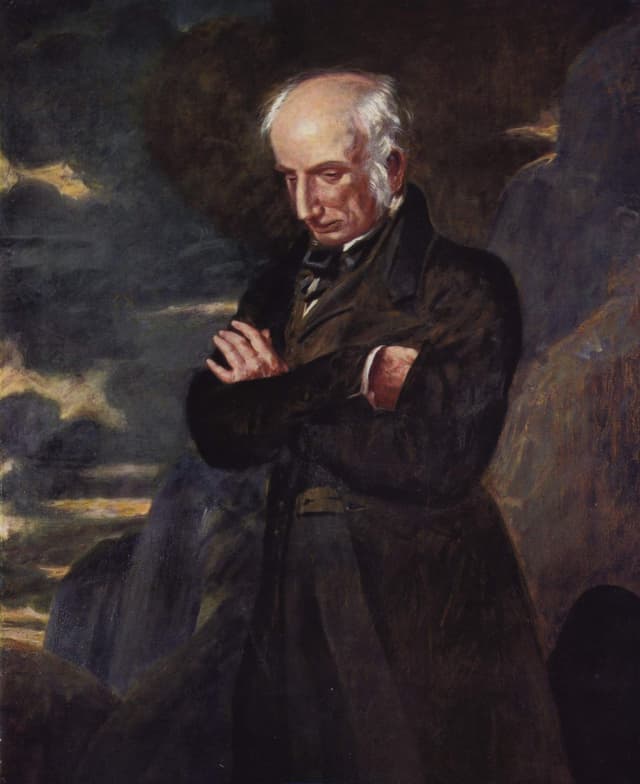
William Wordsworth
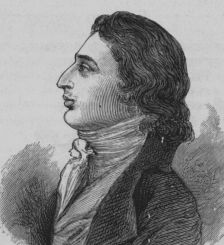
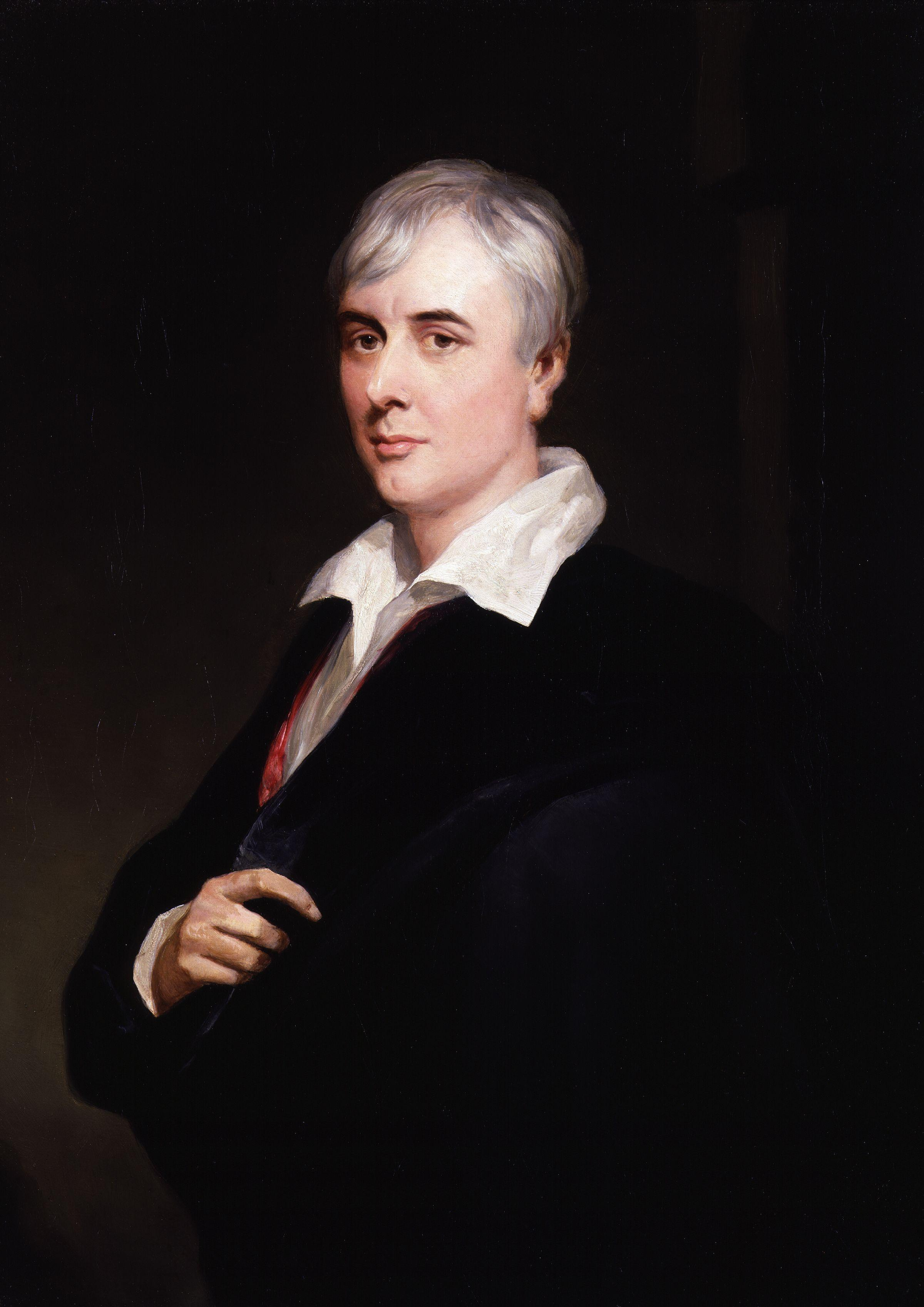
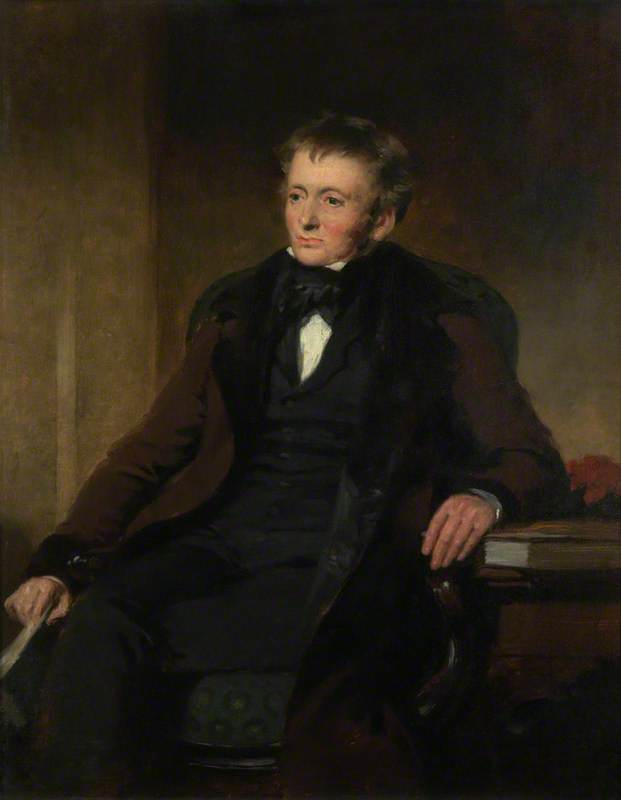
William Wordsworth was an influential English Romantic poet who played a pivotal role in the emergence of the Romantic Age in English literature. Alongside Samuel Taylor Coleridge, he co-authored the groundbreaking collection 'Lyrical Ballads' in 1798, which marked a significant departure from the poetic conventions of the time, emphasizing emotion and nature over formality. Wordsworth's poetry often celebrated the beauty of the natural world and the depth of human experience, reflecting his belief in the transformative power of nature and the importance of personal reflection. His most notable work, 'The Prelude,' is a semi-autobiographical poem that chronicles his early life and poetic development. This extensive work, which he revised throughout his life, was published posthumously and is regarded as a key text in understanding the evolution of Romantic thought. Wordsworth served as Poet Laureate from 1843 until his death in 1850, solidifying his legacy as one of the foremost figures in English poetry. His contributions have had a lasting impact on literature, inspiring countless poets and writers to explore themes of nature, emotion, and individualism.
Famous Quotes
View all 19 quotes“The best portion of a good man's life: his little, nameless unremembered acts of kindness and love.””
“Fill your paper with the breathings of your heart.””
“Though nothing can bring back the hourOf splendor in the grass, of glory in the flower;We will grieve not, rather findStrength in what remains behind;In the primal sympathyWhich having been must ever be...””
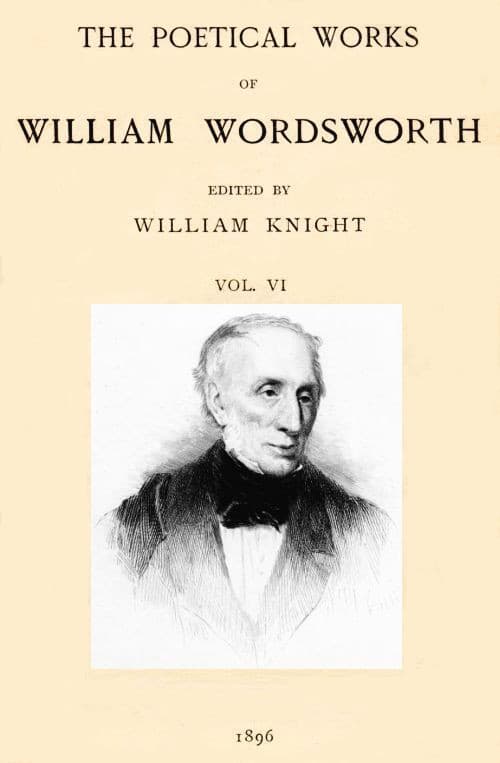
Books from the author



Link to this page
Add a free, dofollow link to Lex on your blog, forum, syllabus, or reading list.

<a href="https://lex-books.com/author/william-wordsworth"><img src="https://lex-books.com/badges/read-on-lex.svg" alt="William Wordsworth on Lex" width="160" height="40"></a>[](https://lex-books.com/author/william-wordsworth)[url=https://lex-books.com/author/william-wordsworth][img]https://lex-books.com/badges/read-on-lex.svg[/img][/url]William Wordsworth on Lex: https://lex-books.com/author/william-wordsworth