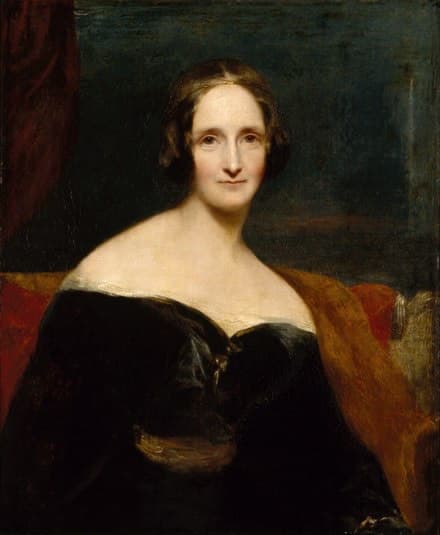
Mary Wollstonecraft Shelley
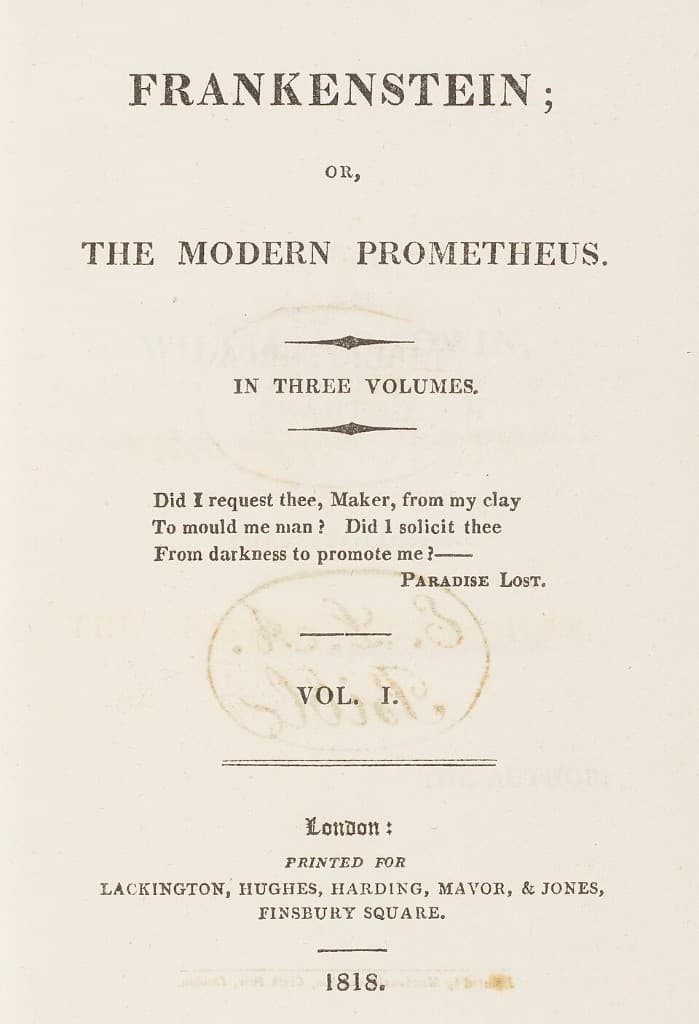
Mary Wollstonecraft Shelley was an influential English novelist best known for her groundbreaking work, "Frankenstein; or, The Modern Prometheus," published in 1818. This novel is often regarded as one of the earliest examples of science fiction, exploring themes of creation, responsibility, and the consequences of unchecked ambition. Shelley's upbringing was marked by the intellectual legacy of her parents; her father was the political philosopher William Godwin, and her mother was the pioneering feminist Mary Wollstonecraft, who died shortly after giving birth to her. This early loss profoundly shaped Shelley's worldview and literary voice, as she navigated a life filled with personal and societal challenges. In addition to her own writing, Shelley played a crucial role in editing and promoting the works of her husband, the Romantic poet Percy Bysshe Shelley. Their tumultuous relationship, marked by scandal and tragedy, influenced her literary output and themes. Despite facing societal ostracism and personal hardships, including the deaths of several of her children, Shelley continued to write, producing notable works such as "The Last Man" and "Mathilda." Her contributions to literature extend beyond her novels; she is recognized for her role in the Romantic movement and her exploration of complex moral questions, making her a significant figure in the evolution of both Gothic and science fiction literature. Shelley's legacy endures as a testament to her innovative spirit and the profound questions she raised about humanity and existence.
Famous Quotes
View all 16 quotes“The world to me was a secret, which I desired to discover; to her it was a vacancy, which she sought to people with imaginations of her own.””
“Invention, it must be humbly admitted, does not consist in creating out of void, but out of chaos; the materials must, in the first place, be afforded: it can give form to dark, shapeless substances, but cannot bring into being the substance itself.””
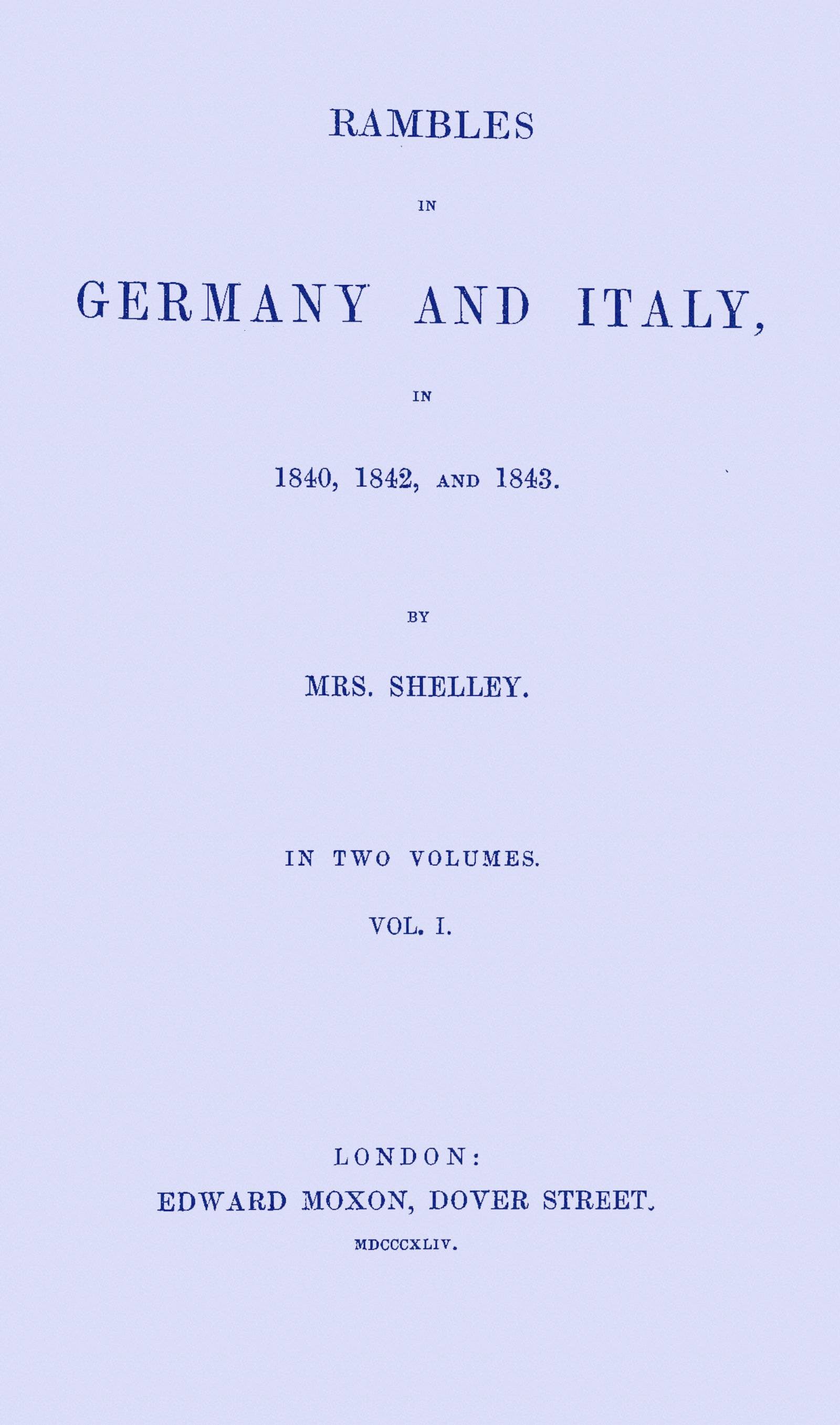
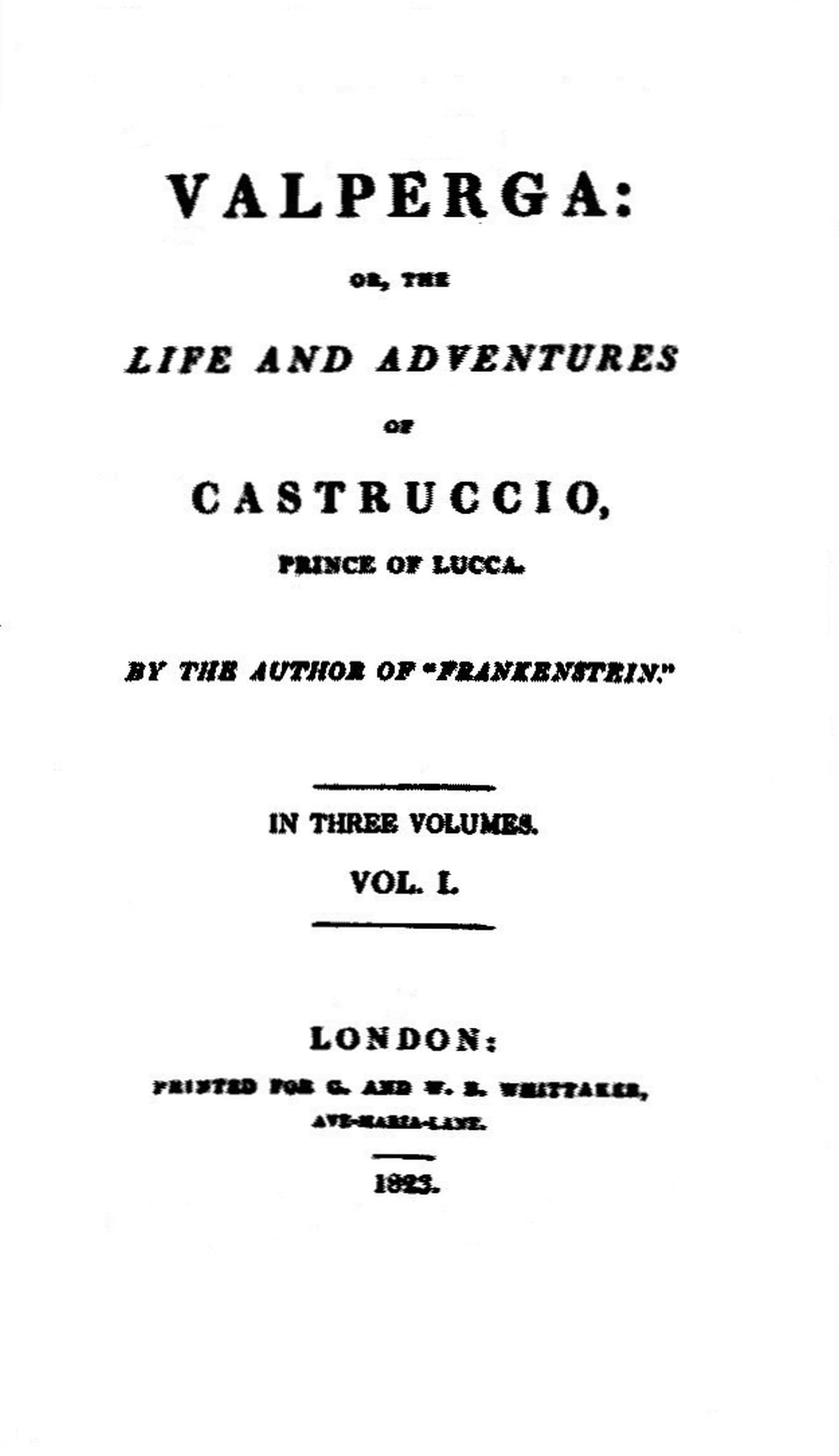
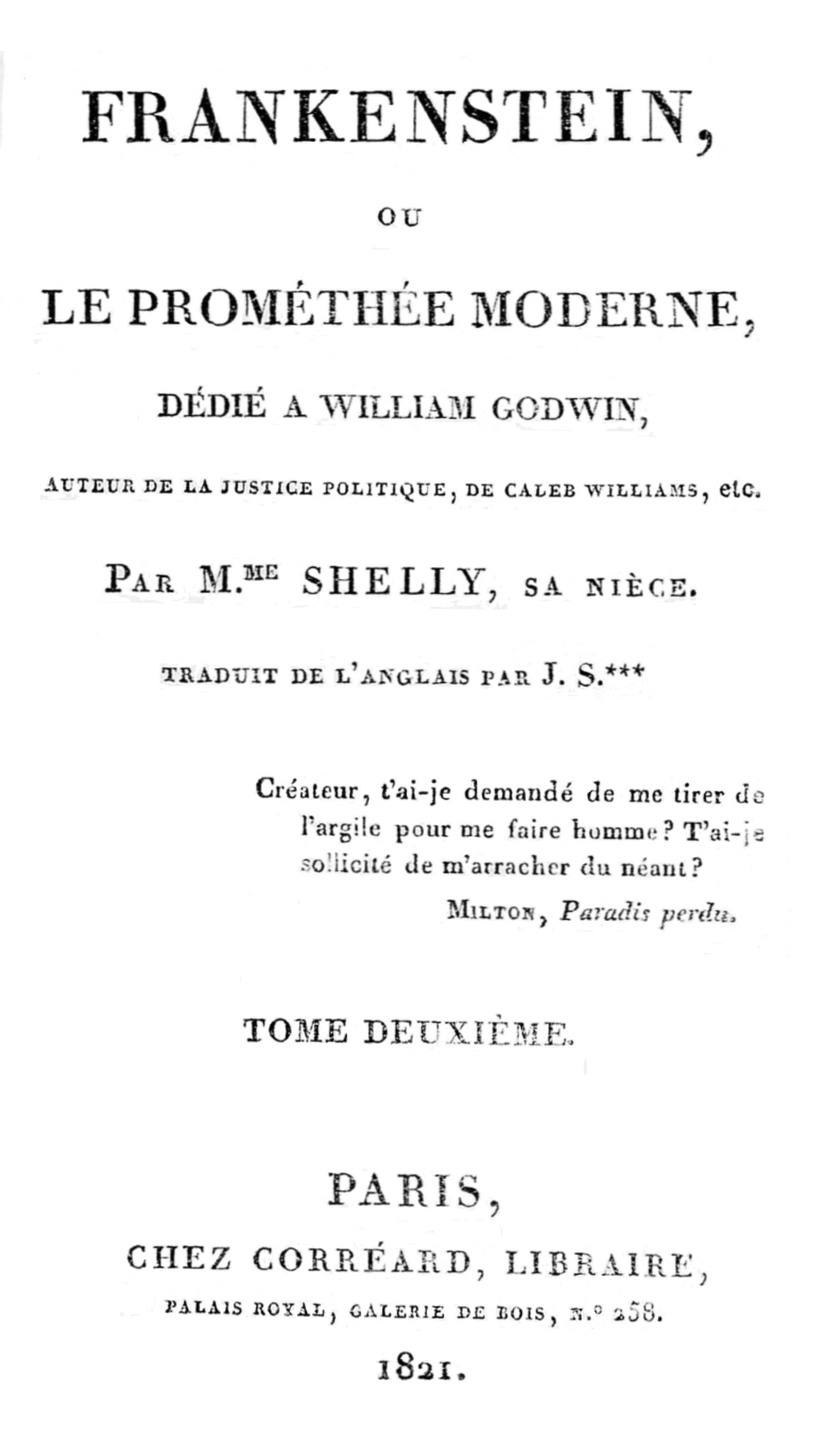
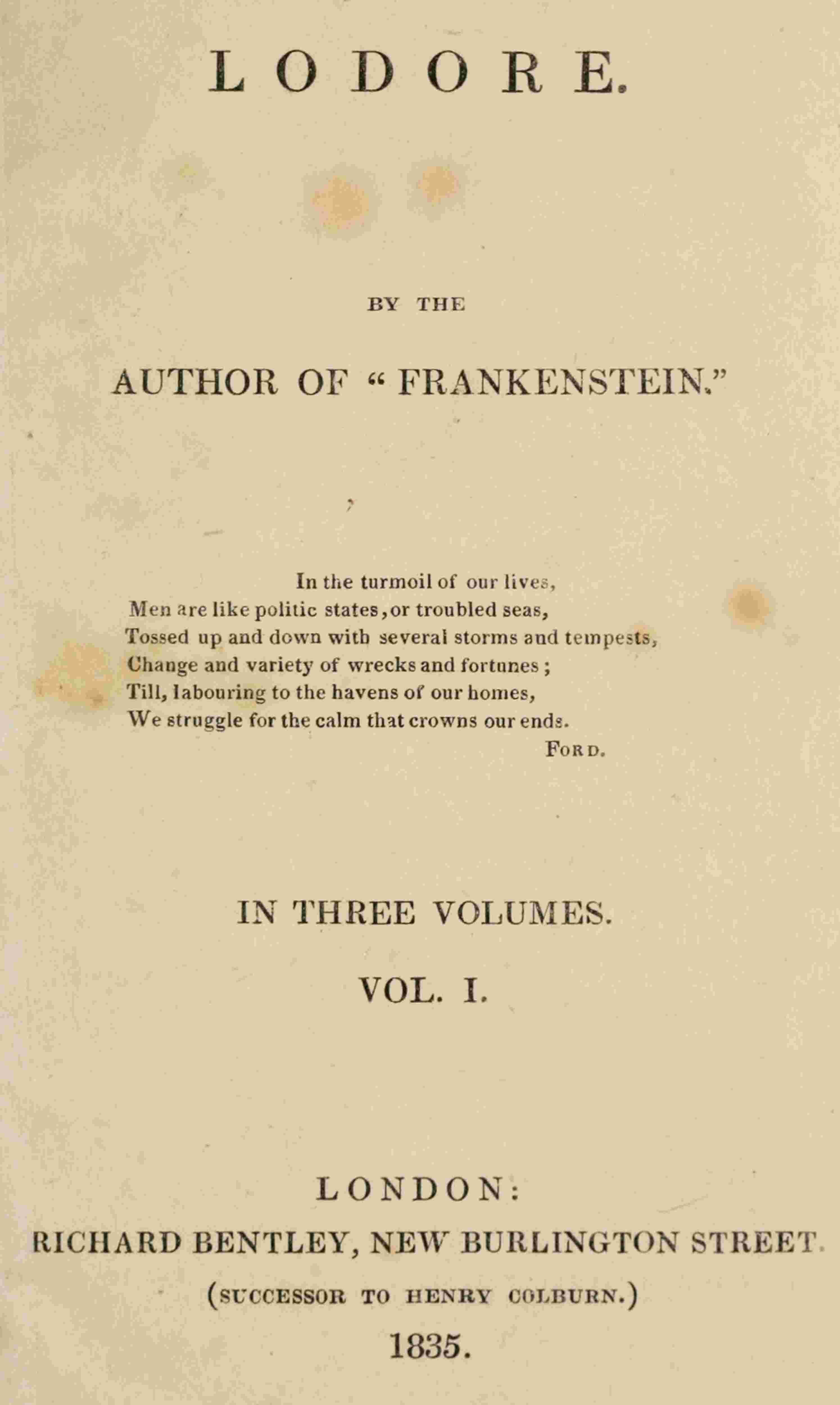
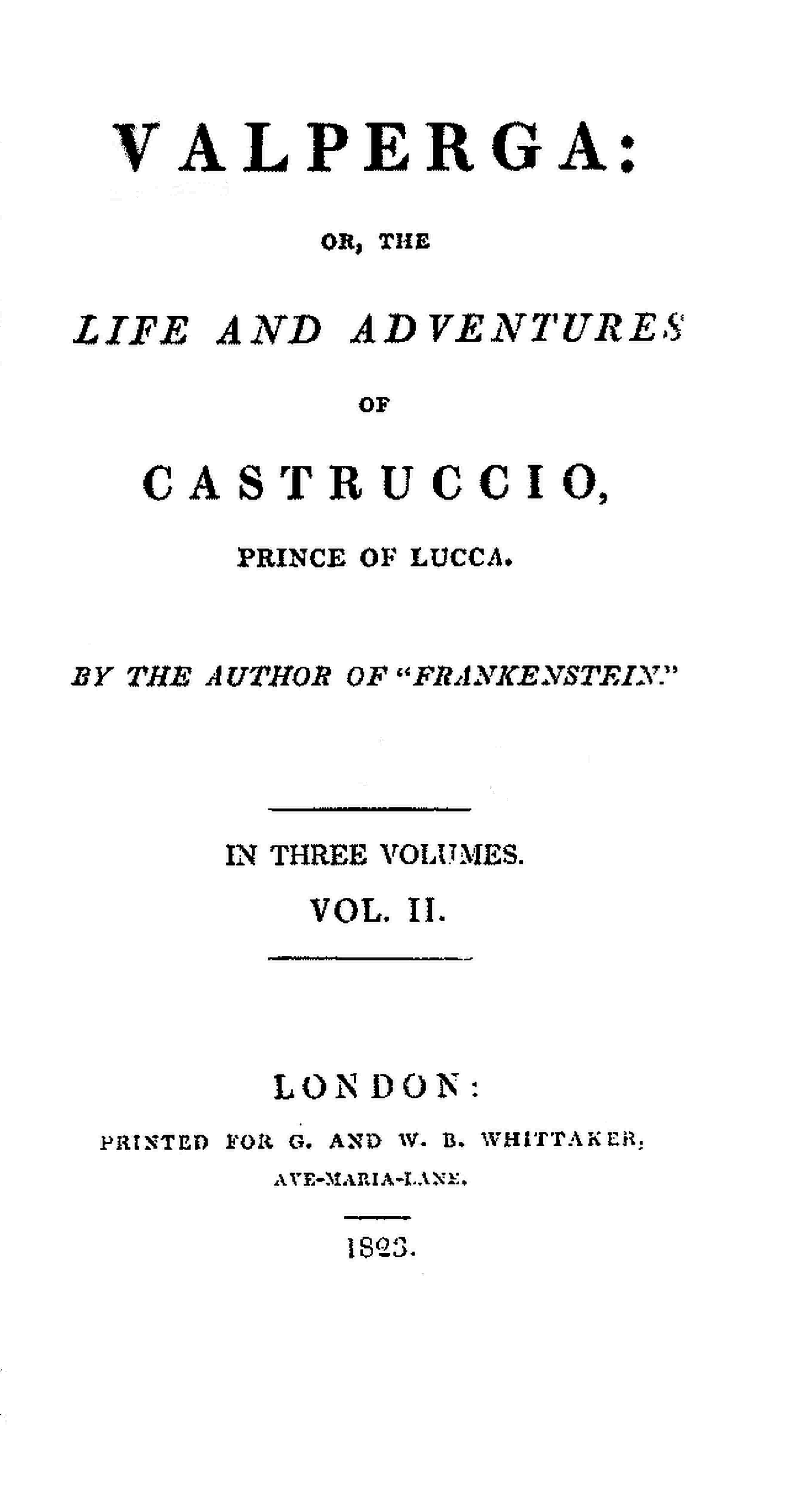
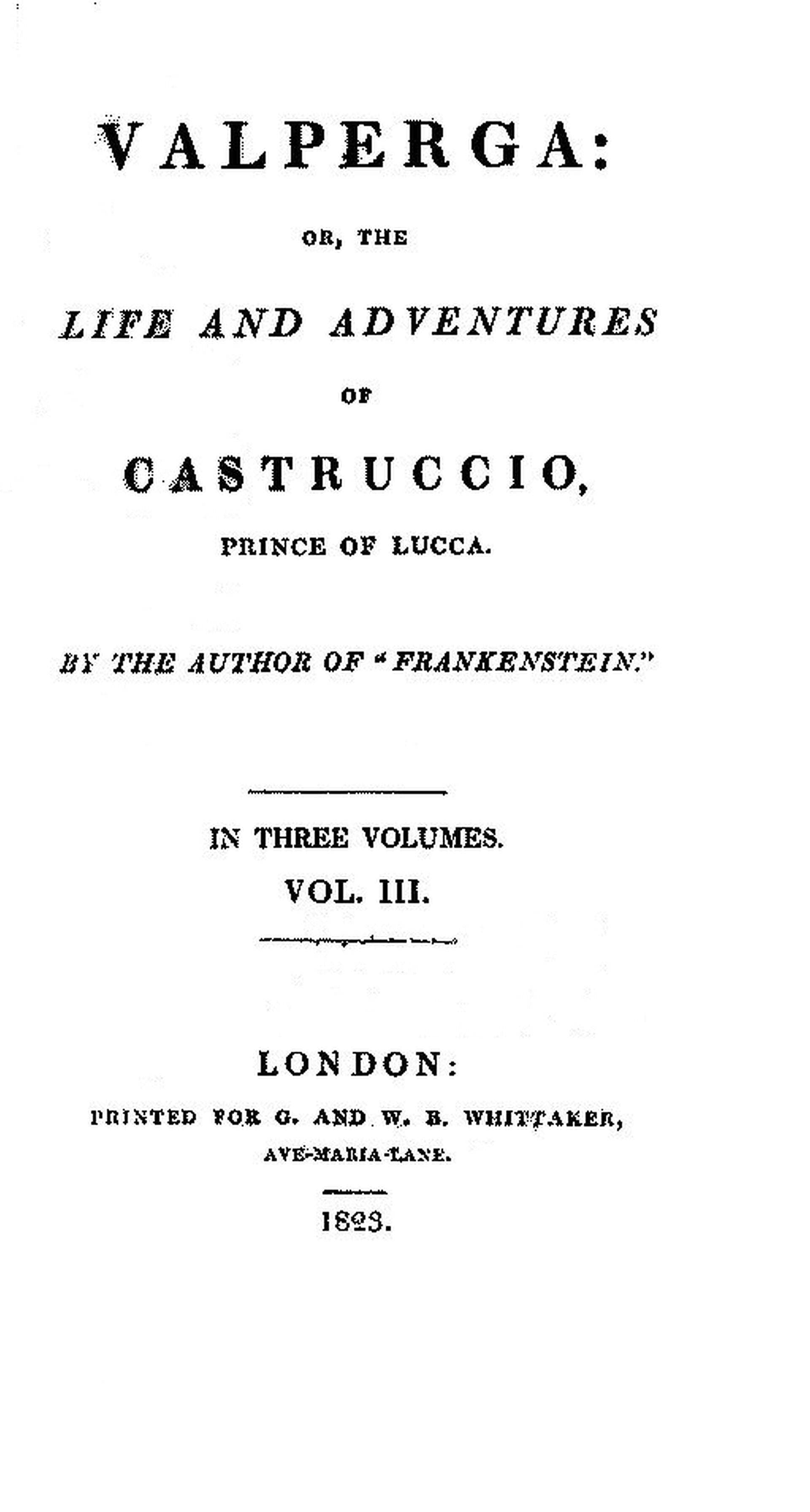
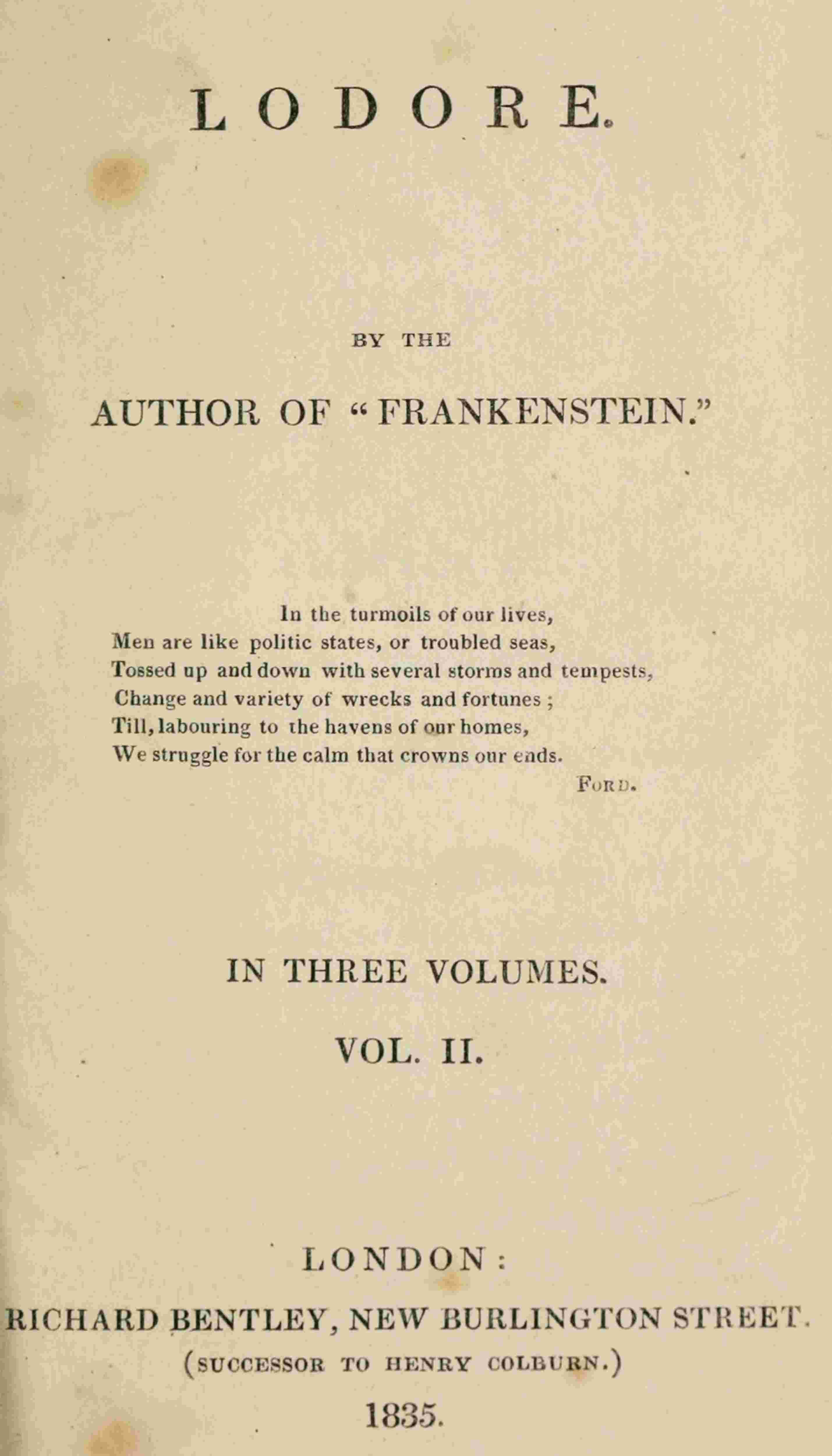
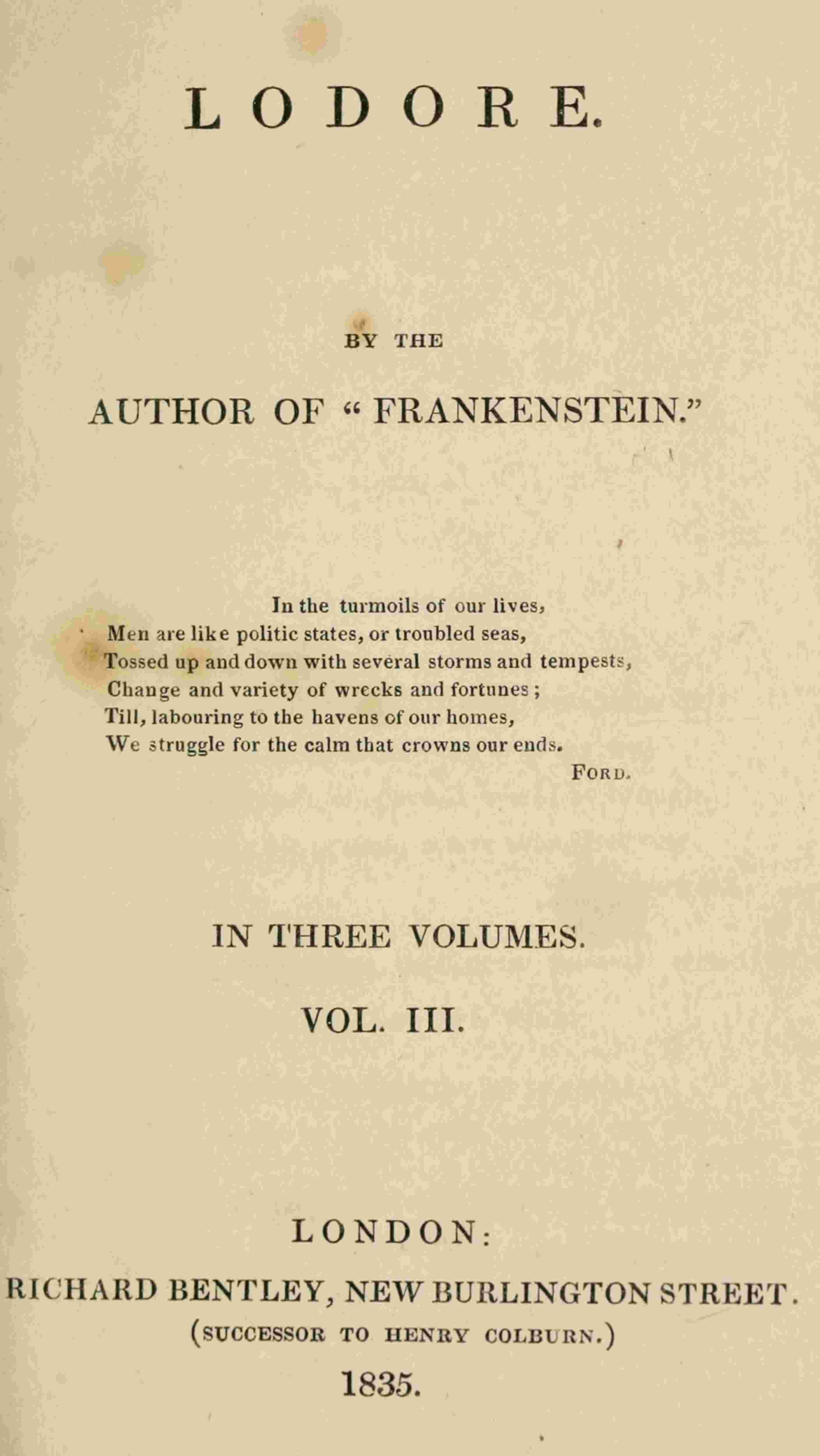
Books from the author

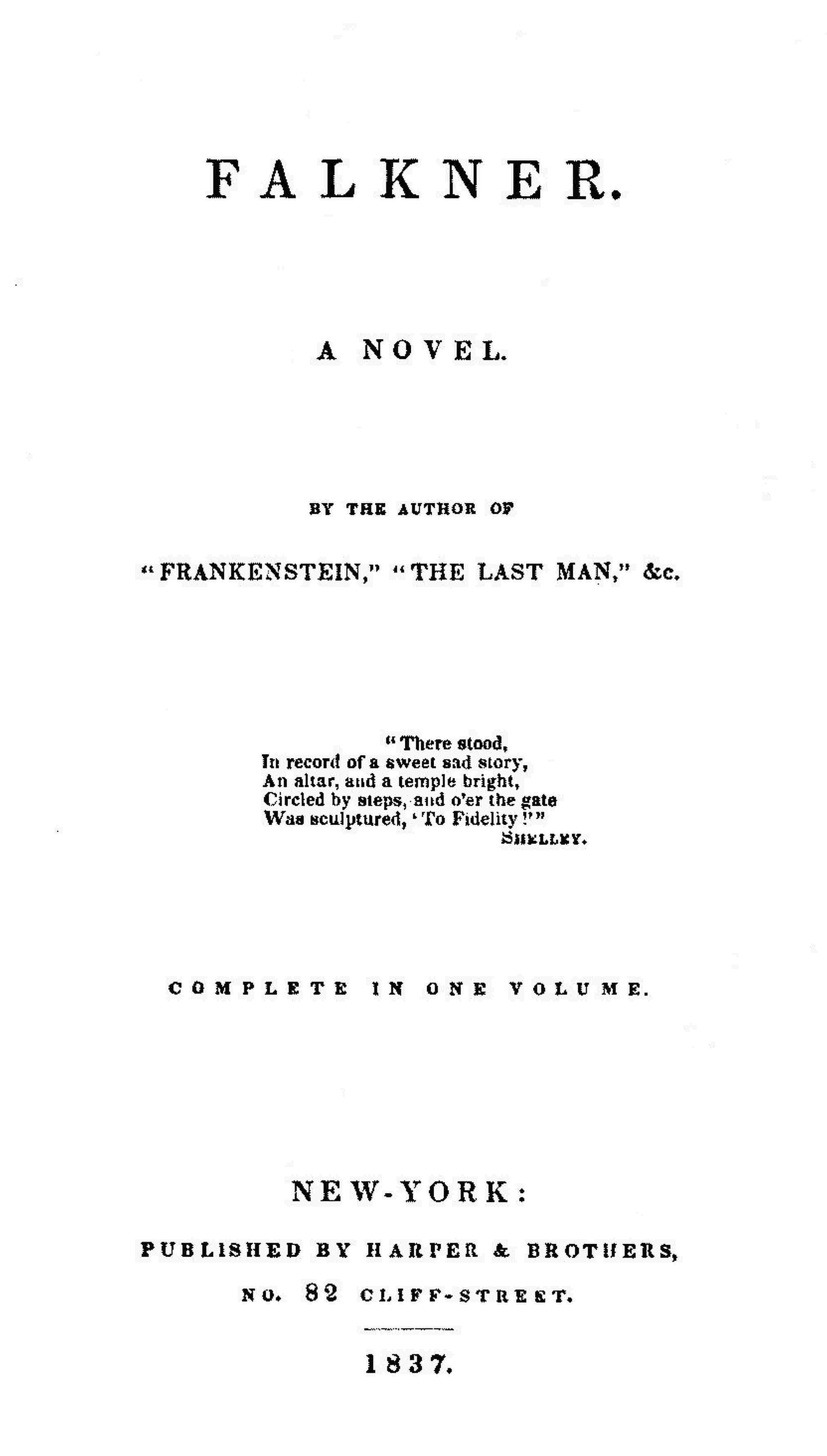
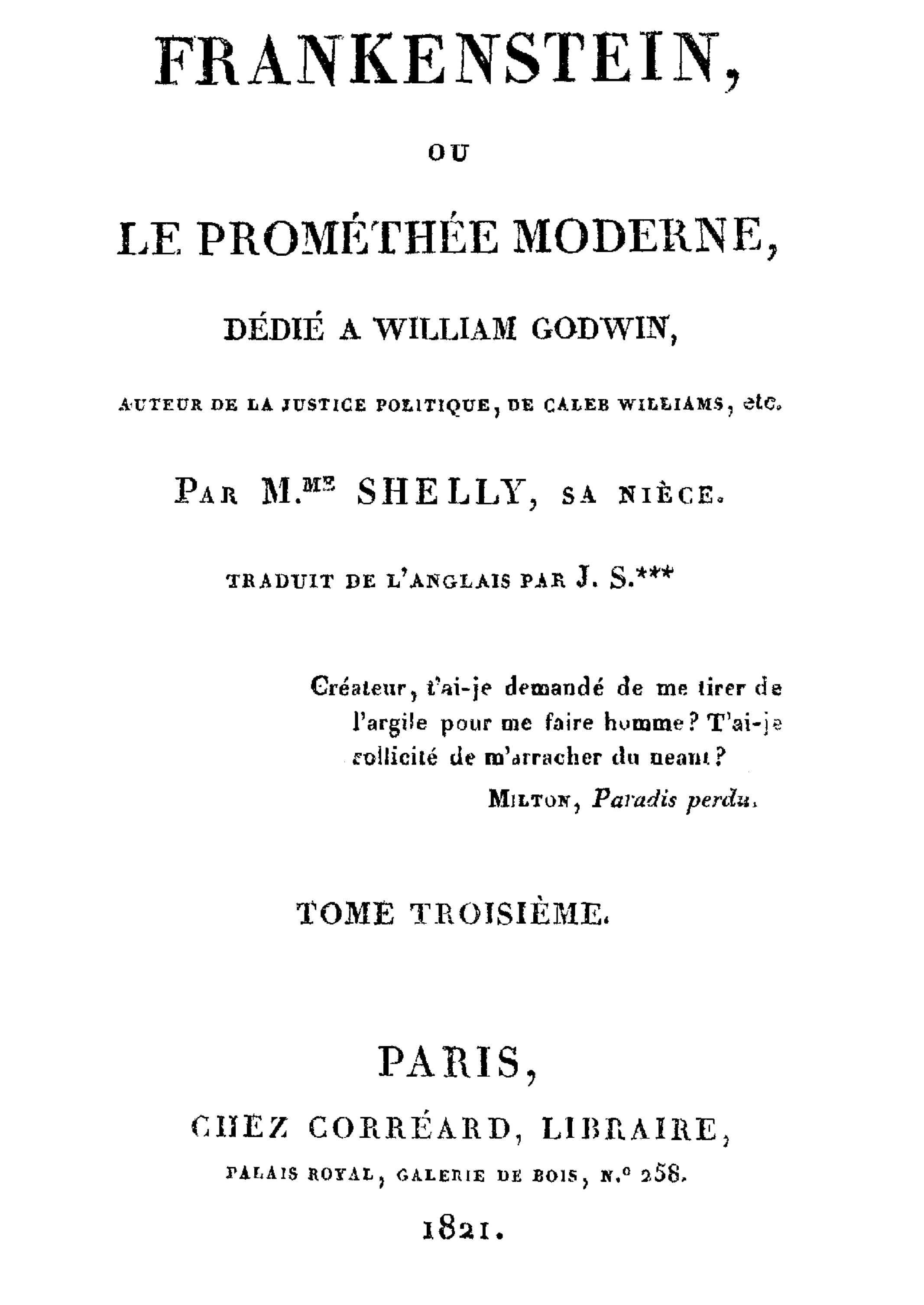
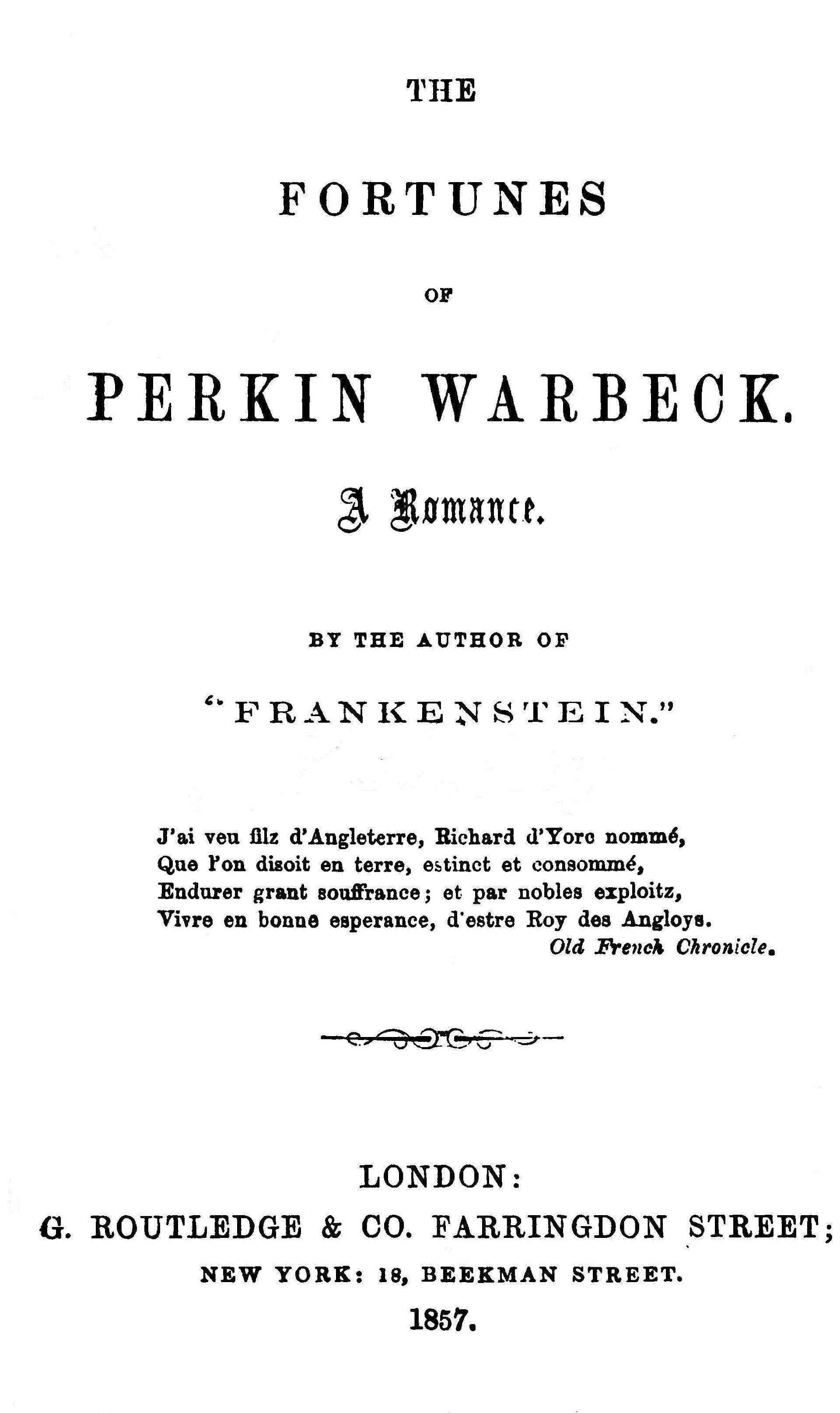
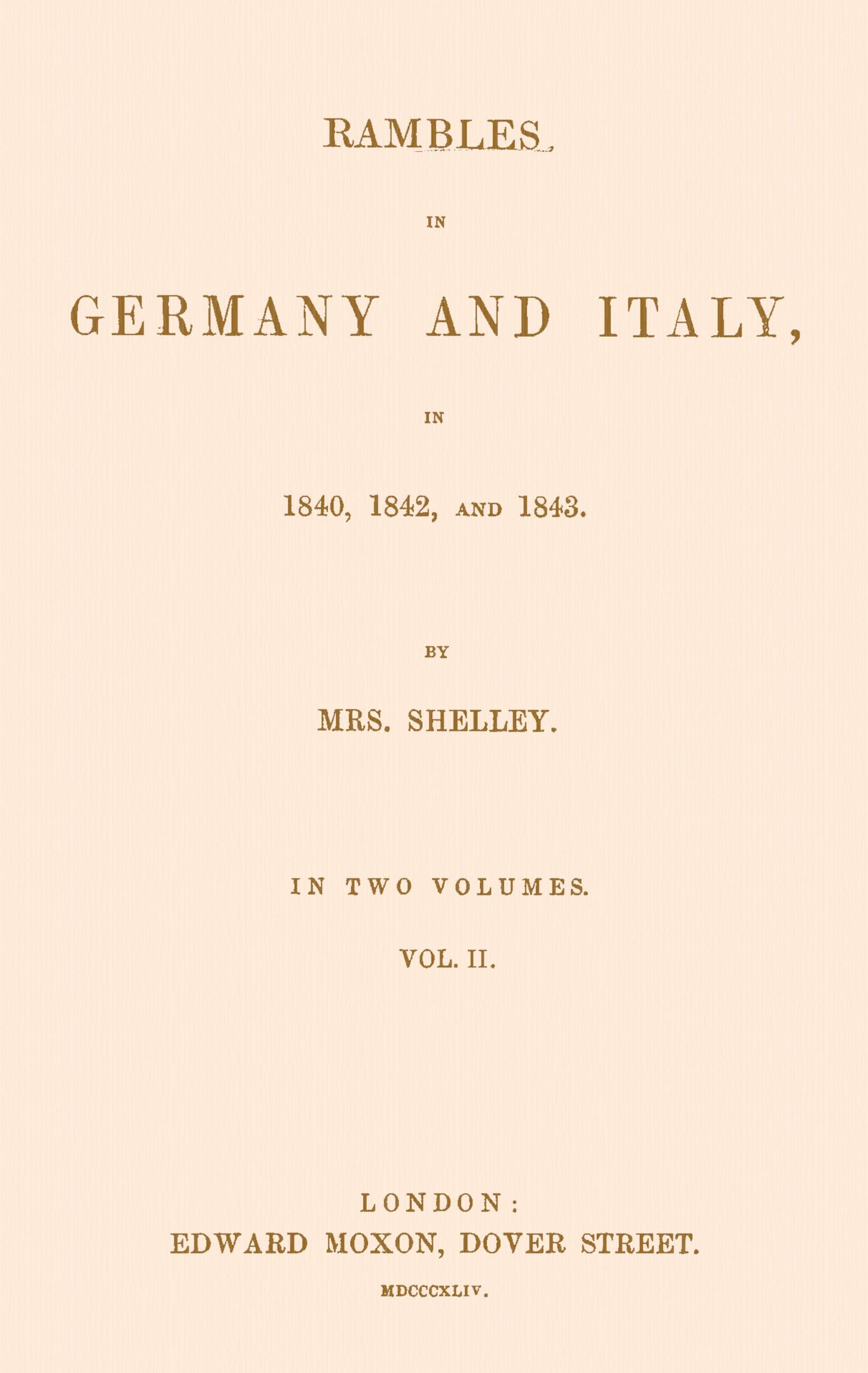


Link to this page
Add a free, dofollow link to Lex on your blog, forum, syllabus, or reading list.

<a href="https://lex-books.com/author/mary-wollstonecraft-shelley"><img src="https://lex-books.com/badges/read-on-lex.svg" alt="Mary Wollstonecraft Shelley on Lex" width="160" height="40"></a>[](https://lex-books.com/author/mary-wollstonecraft-shelley)[url=https://lex-books.com/author/mary-wollstonecraft-shelley][img]https://lex-books.com/badges/read-on-lex.svg[/img][/url]Mary Wollstonecraft Shelley on Lex: https://lex-books.com/author/mary-wollstonecraft-shelley