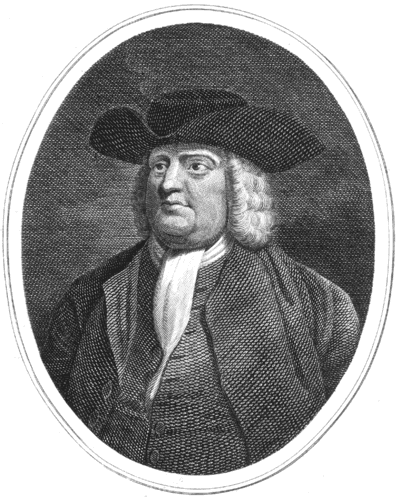
William Penn
William Penn was an English writer, theologian, and influential Quaker known for founding the Province of Pennsylvania. Born into a prominent family, he became a leading advocate for democracy and religious freedom during a time of significant social and political upheaval. In 1681, King Charles II granted him land in North America to settle debts owed to his father, leading Penn to establish Philadelphia as a haven for Quakers and other religious minorities. His governance was characterized by peaceful relations with the Lenape Native Americans, with whom he negotiated treaties that emphasized mutual respect and coexistence. Penn's contributions extended beyond his role as a colonial founder; he was a proponent of democratic principles that would later influence the formation of the United States. His writings, including the West Jersey Concessions and the Pennsylvania Frame of Government, laid the groundwork for representative government and civil liberties. These ideas resonated with the framers of the U.S. Constitution during the 1787 Constitutional Convention, marking Penn as a significant figure in the development of American democracy. His legacy endures in the ideals of religious tolerance and self-governance that continue to shape the nation today.
Famous Quotes
View all 3 quotes“Time is what we want most,but what we use worst.”
“They have a Right to censure, that have a Heart to help: The rest is Cruelty, not Justice. (Frequently misquoted as "He has a right to criticize, who has a heart to help.")”
“Right is right, even if everyone is against it, and wrong is wrong, even if everyone is for it.”
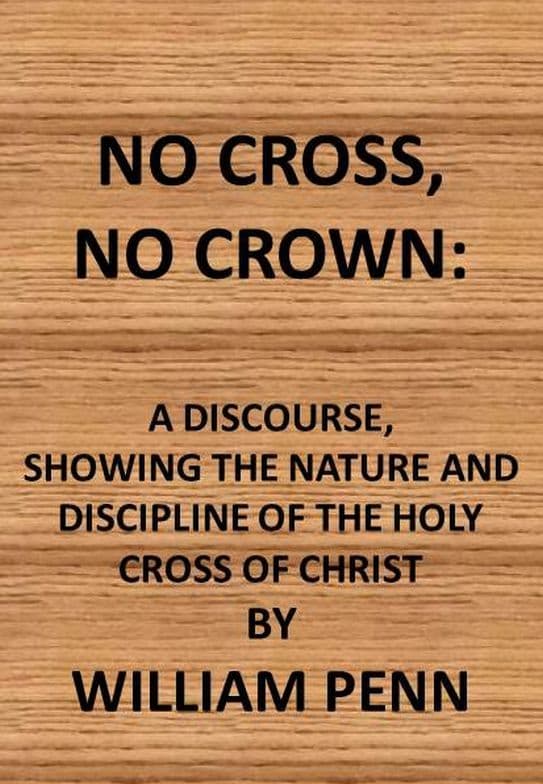
Books from the author




Link to this page
Add a free, dofollow link to Lex on your blog, forum, syllabus, or reading list.

<a href="https://lex-books.com/author/william-penn"><img src="https://lex-books.com/badges/read-on-lex.svg" alt="William Penn on Lex" width="160" height="40"></a>[](https://lex-books.com/author/william-penn)[url=https://lex-books.com/author/william-penn][img]https://lex-books.com/badges/read-on-lex.svg[/img][/url]William Penn on Lex: https://lex-books.com/author/william-penn