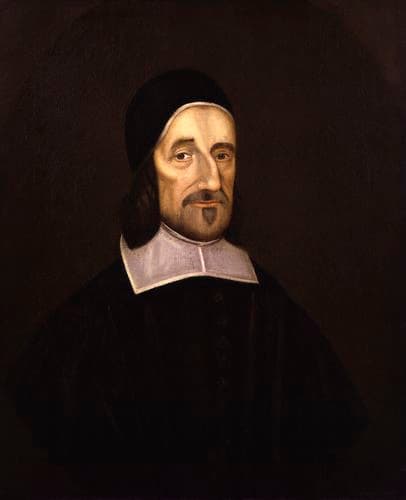
Richard Baxter
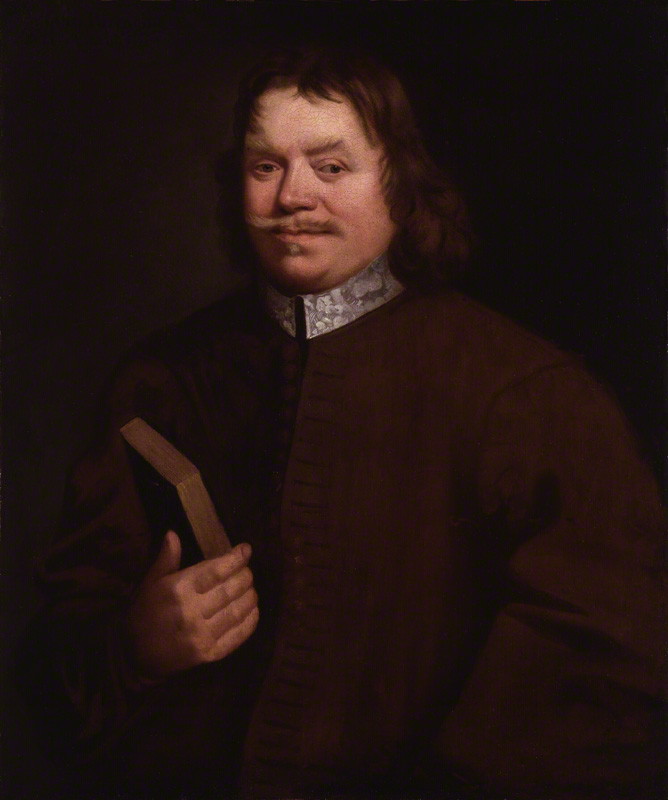
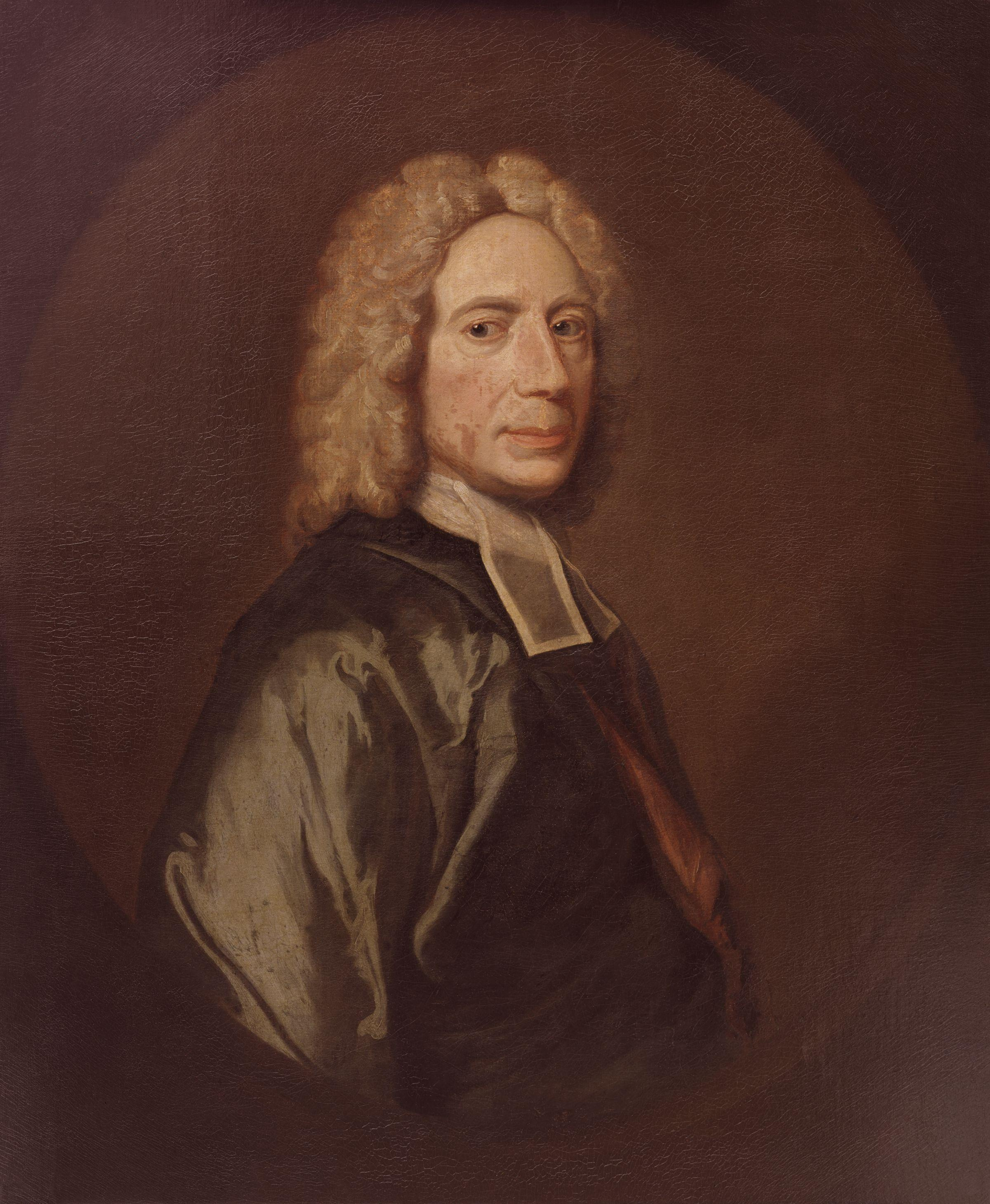
Richard Baxter was an influential English Nonconformist church leader and theologian, renowned for his significant contributions to Protestant thought. Born in Rowton, Shropshire, he gained prominence in the late 1630s through his impactful ministry in Kidderminster, Worcestershire. Baxter's extensive writings began during this period, establishing him as a prolific theological author. His most notable works include 'The Saints' Everlasting Rest' and 'The Reformed Pastor,' which reflect his deep commitment to pastoral care and spiritual guidance. Following the Act of Uniformity in 1662, Baxter faced a pivotal moment in his career when he declined the position of Bishop of Hereford, leading to his expulsion from the Church of England. This decision marked him as a leading figure in the Nonconformist movement, which sought to challenge the established church's authority. His theological views, particularly regarding Predestination, sparked controversy within Calvinist circles, as he advocated for a faith-law model that emphasized the role of human agency in salvation. Baxter's legacy endures through his writings and his role in shaping the Nonconformist tradition, influencing generations of Protestant thought and practice.
Famous Quotes
View all 3 quotes“Study hard, for the well is deep, and our brains are shallow.”
“I preached as never sure to preach again, and as a dying man to dying men.”
“O what a blessed day that will be when I shall . . . stand on the shore and look back on the raging seas I have safely passed; when I shall review my pains and sorrows, my fears and tears, and possess the glory which was the end of all!”
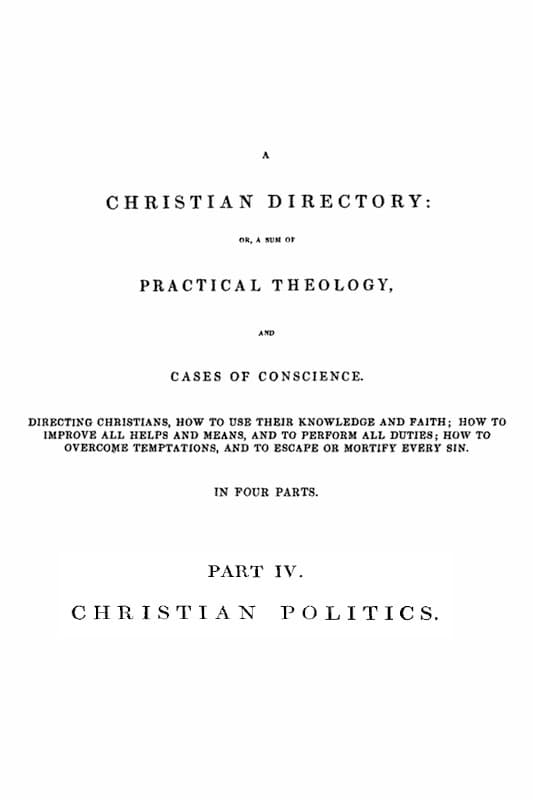
Books from the author







Link to this page
Add a free, dofollow link to Lex on your blog, forum, syllabus, or reading list.

<a href="https://lex-books.com/author/richard-baxter"><img src="https://lex-books.com/badges/read-on-lex.svg" alt="Richard Baxter on Lex" width="160" height="40"></a>[](https://lex-books.com/author/richard-baxter)[url=https://lex-books.com/author/richard-baxter][img]https://lex-books.com/badges/read-on-lex.svg[/img][/url]Richard Baxter on Lex: https://lex-books.com/author/richard-baxter