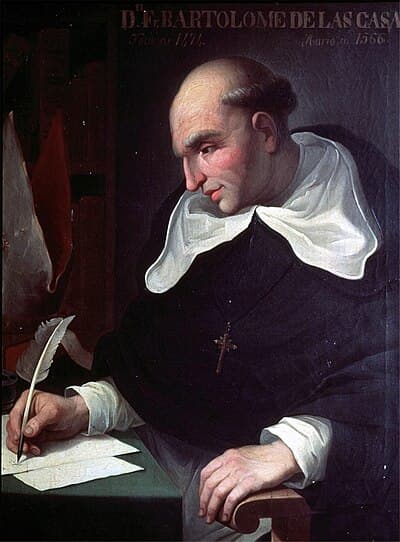
Bartolomé de las Casas
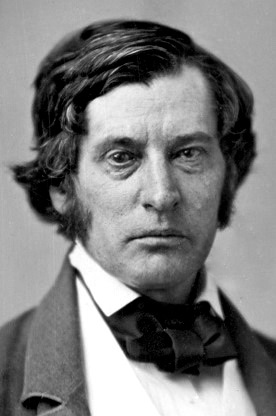
Bartolomé de las Casas was a Spanish Dominican friar, historian, and missionary who became one of the first advocates for the rights of indigenous peoples in the Americas. Born in 1484 in Seville, he traveled to the New World in 1502, where he initially participated in the encomienda system, which granted Spanish settlers the right to extract labor from indigenous populations. However, witnessing the brutal treatment of the native peoples led him to renounce his earlier views and dedicate his life to their defense. His most notable work, 'A Short Account of the Destruction of the Indies,' published in 1552, vividly documented the atrocities committed by Spanish colonizers and argued for the humane treatment of indigenous peoples, making him a controversial figure in his time. Las Casas's writings played a significant role in shaping the debate over colonial policy and human rights in the early modern period. His advocacy contributed to the eventual establishment of laws aimed at protecting indigenous peoples, although these were often poorly enforced. His legacy is complex; while he is celebrated as a pioneer of human rights, his own views on the treatment of African slaves have drawn criticism. Nevertheless, de las Casas remains a crucial figure in the history of colonialism, representing the moral dilemmas faced by European settlers and the ongoing struggle for justice and recognition of indigenous rights.
Famous Quotes
View all 9 quotes“God is the one who always remembers those whom history has forgotten.””
“And why have you burnt our Gods, when others are brought from other Regions by the Spaniards? Are the Gods of other Provinces more sacred than ours?””
“por un cristiano que los indios matasen, habían los cristianos de matar cien indios.””
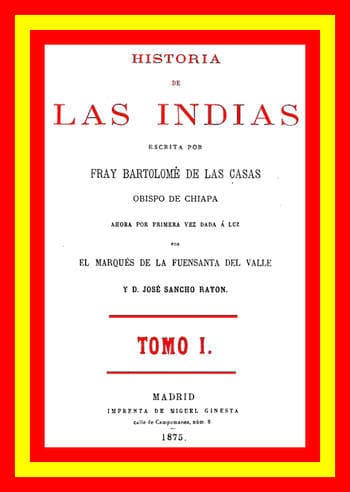
Books from the author





Link to this page
Add a free, dofollow link to Lex on your blog, forum, syllabus, or reading list.

<a href="https://lex-books.com/author/bartolomé-de-las-casas"><img src="https://lex-books.com/badges/read-on-lex.svg" alt="Bartolomé de las Casas on Lex" width="160" height="40"></a>[](https://lex-books.com/author/bartolomé-de-las-casas)[url=https://lex-books.com/author/bartolomé-de-las-casas][img]https://lex-books.com/badges/read-on-lex.svg[/img][/url]Bartolomé de las Casas on Lex: https://lex-books.com/author/bartolomé-de-las-casas