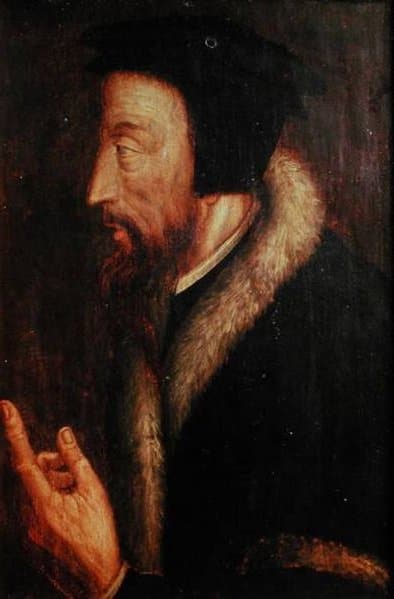
Jean Calvin
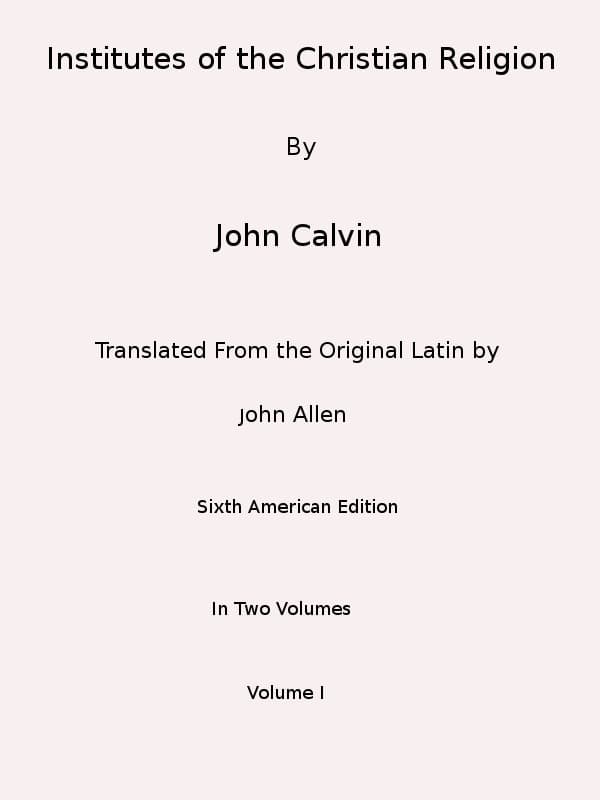
Jean Calvin was a pivotal figure in the Protestant Reformation, known for his influential role as a theologian and pastor in Geneva. Originally trained as a humanist lawyer, he broke from the Roman Catholic Church around 1530, driven by the desire to reform Christian doctrine. His seminal work, 'Institutes of the Christian Religion,' first published in 1536, laid the groundwork for Calvinism, emphasizing doctrines such as predestination and the absolute sovereignty of God in salvation. Calvin's theological insights were deeply rooted in Augustinian traditions and have had a lasting impact on various Reformed Church movements, including Presbyterianism and Congregationalism, which regard him as a central figure in their beliefs. Calvin's life was marked by both intellectual rigor and controversy. He was a prolific writer, producing extensive commentaries on nearly all books of the Bible, confessional documents, and numerous theological treatises. His tenure in Geneva was not without challenges; after initially being expelled due to resistance from the city council, he continued his reform efforts in Strasbourg before returning to Geneva in 1541, where he established a more permanent influence. Calvin's legacy endures through the widespread adoption of his ideas, which have shaped Protestant thought and practice across the globe, making him one of the most significant theologians in Christian history.
Famous Quotes
View all 4 quotes“Bien que les étoiles ne parlent pas, même en étant silencieux, ils crient.Although the stars do not speak, even in being silent they cry out.””
“Had Luther and Calvin been confined before they had begun to dogmatize, the states would have been spared many troubles.””
“I fell in love with Caligula and now I'm married to Calvin.””
Books from the author








Link to this page
Add a free, dofollow link to Lex on your blog, forum, syllabus, or reading list.

<a href="https://lex-books.com/author/jean-calvin"><img src="https://lex-books.com/badges/read-on-lex.svg" alt="Jean Calvin on Lex" width="160" height="40"></a>[](https://lex-books.com/author/jean-calvin)[url=https://lex-books.com/author/jean-calvin][img]https://lex-books.com/badges/read-on-lex.svg[/img][/url]Jean Calvin on Lex: https://lex-books.com/author/jean-calvin