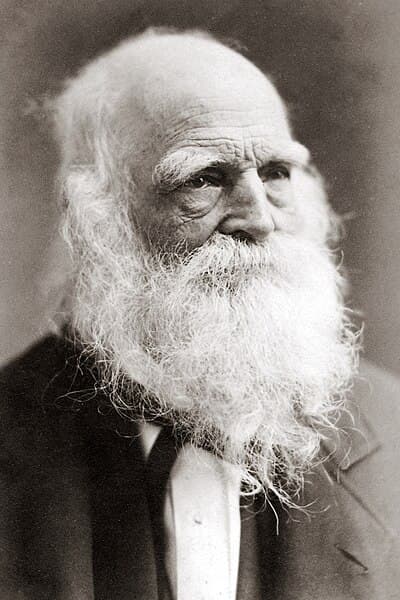
William Cullen Bryant
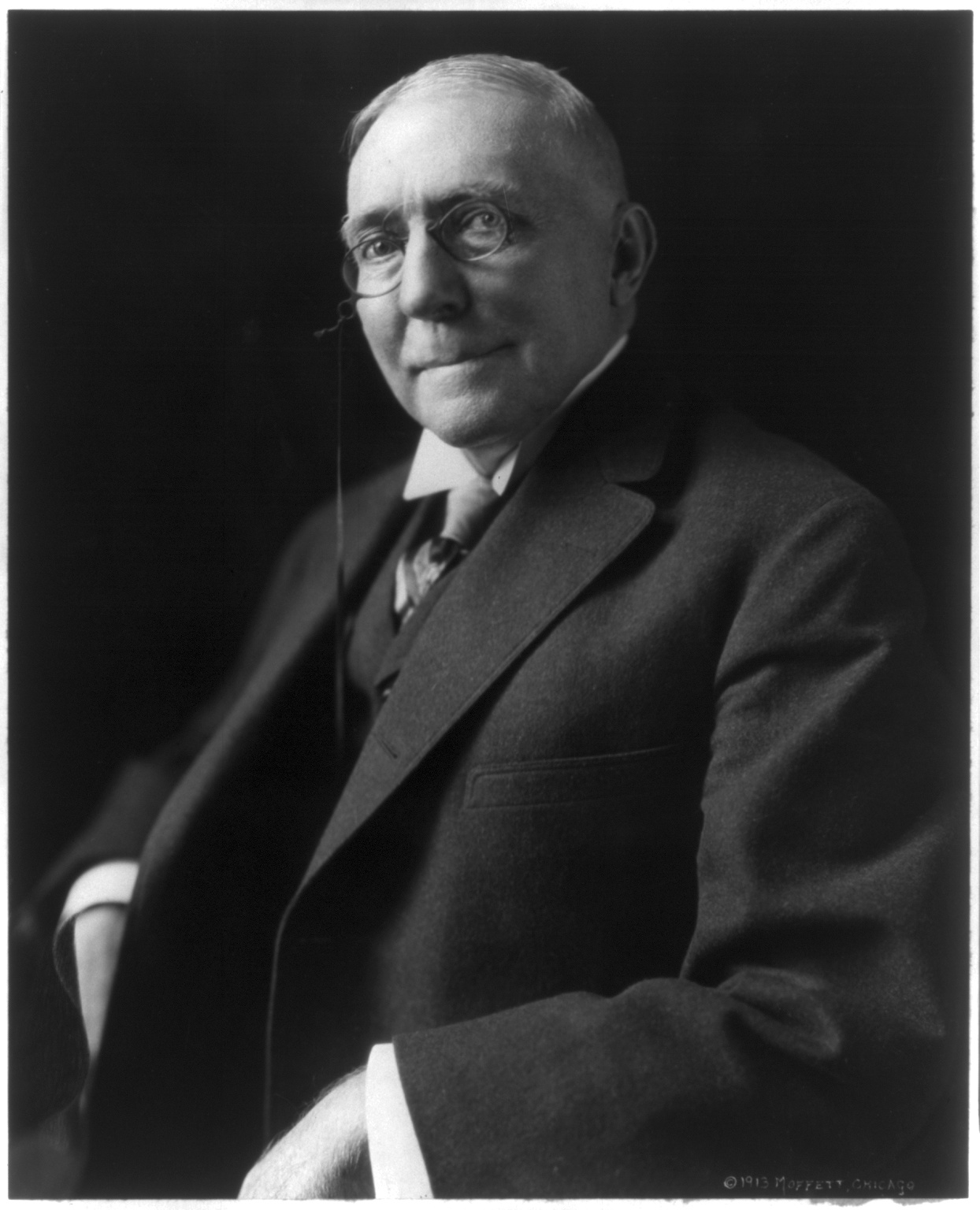
William Cullen Bryant was an influential American romantic poet and journalist, renowned for his contributions to early American literature. Born in Massachusetts, he initially pursued a career in law but soon turned his attention to poetry, showcasing his talent with works that reflected his deep appreciation for nature and human experience. In 1825, he moved to New York City, where he became a prominent editor for major newspapers, including the New York Evening Post, shaping public discourse through his editorial work. His poetry, characterized by its accessible language and themes of nature and mortality, earned him a place among the fireside poets, a group known for their popularity in American households during the 19th century. Bryant's notable works include "Thanatopsis," a meditation on death that remains one of his most celebrated pieces, and "To a Waterfowl," which exemplifies his mastery of nature imagery. His literary significance lies not only in his poetic contributions but also in his role as a cultural figure who advocated for social reform and environmental conservation. Through his journalism and poetry, Bryant helped to establish a distinctly American voice in literature, influencing future generations of writers and solidifying his legacy as a foundational figure in American romanticism.
Famous Quotes
View all 3 quotes“Truth crushed to earth shall rise again.”
“And we wept that one so lovely should have a life so brief;”
“And the yellow sunflower by the brook, in autumn beauty stood.”
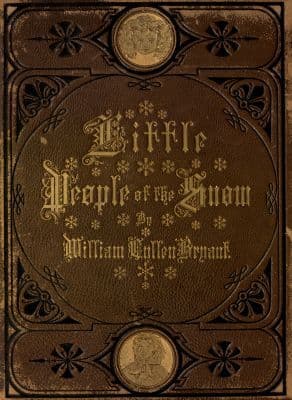
Books from the author

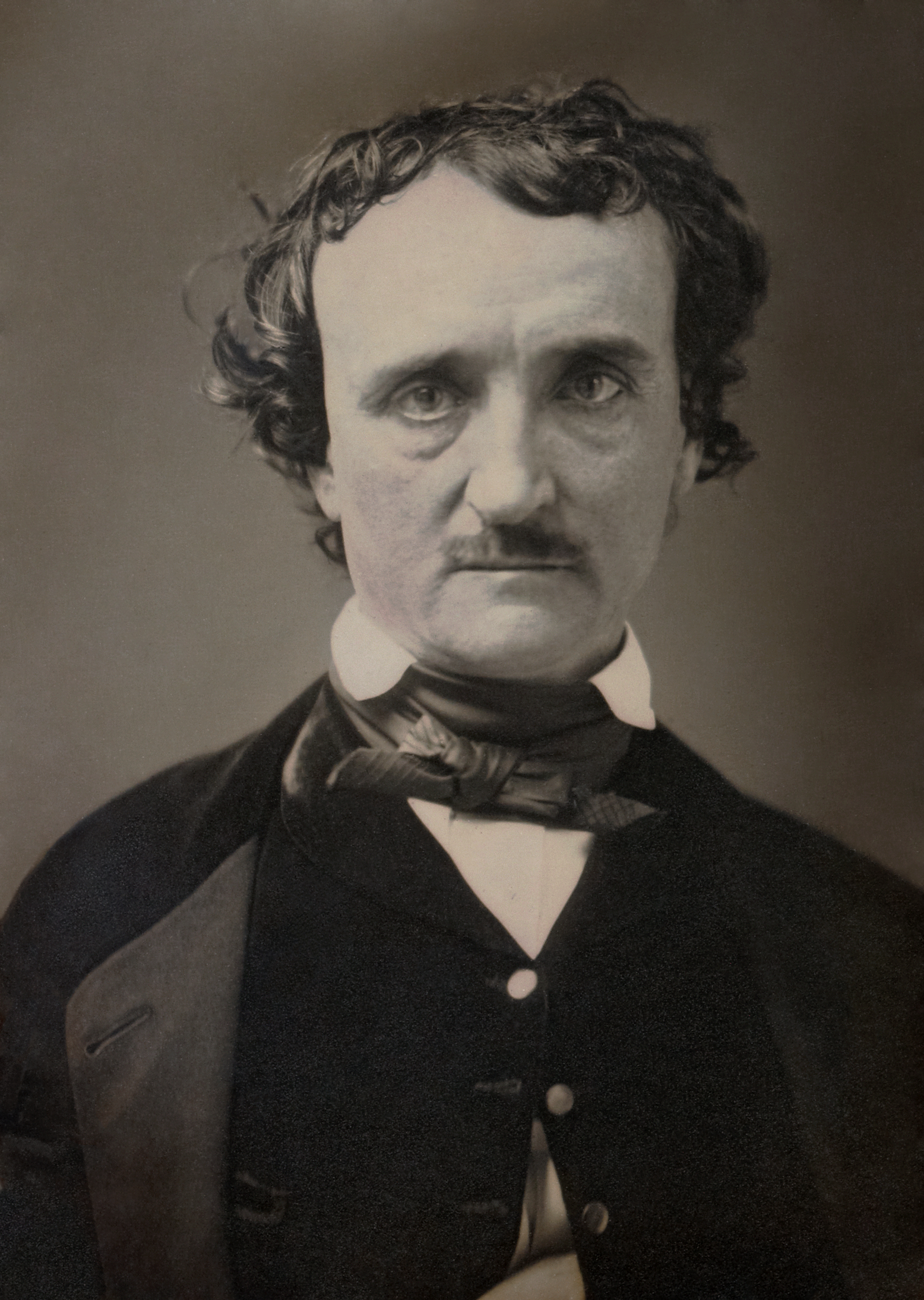
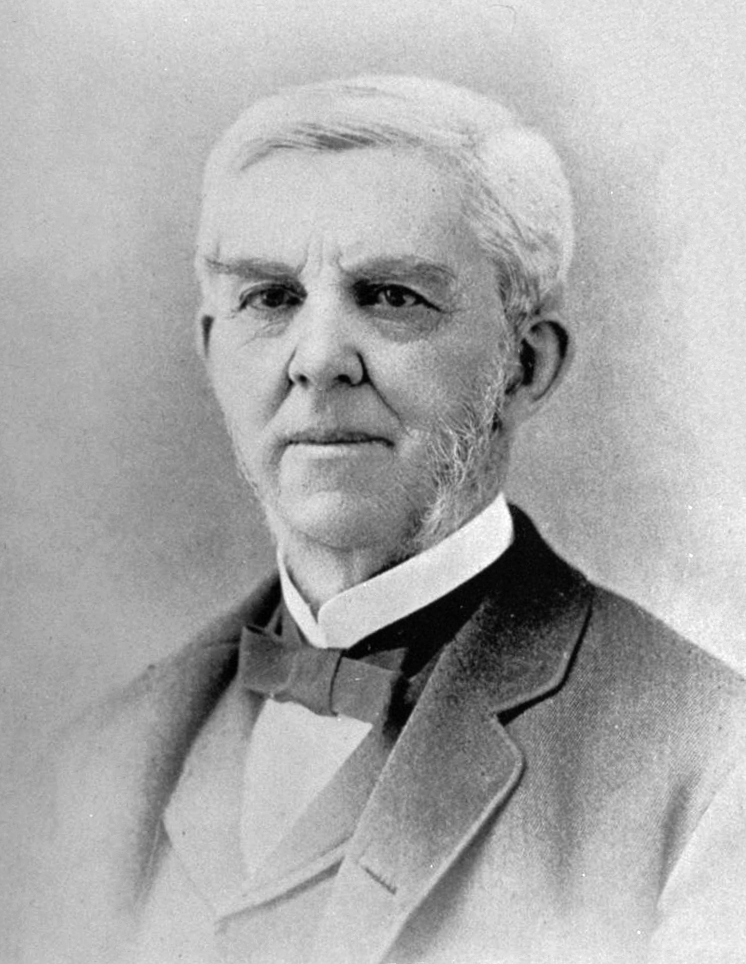
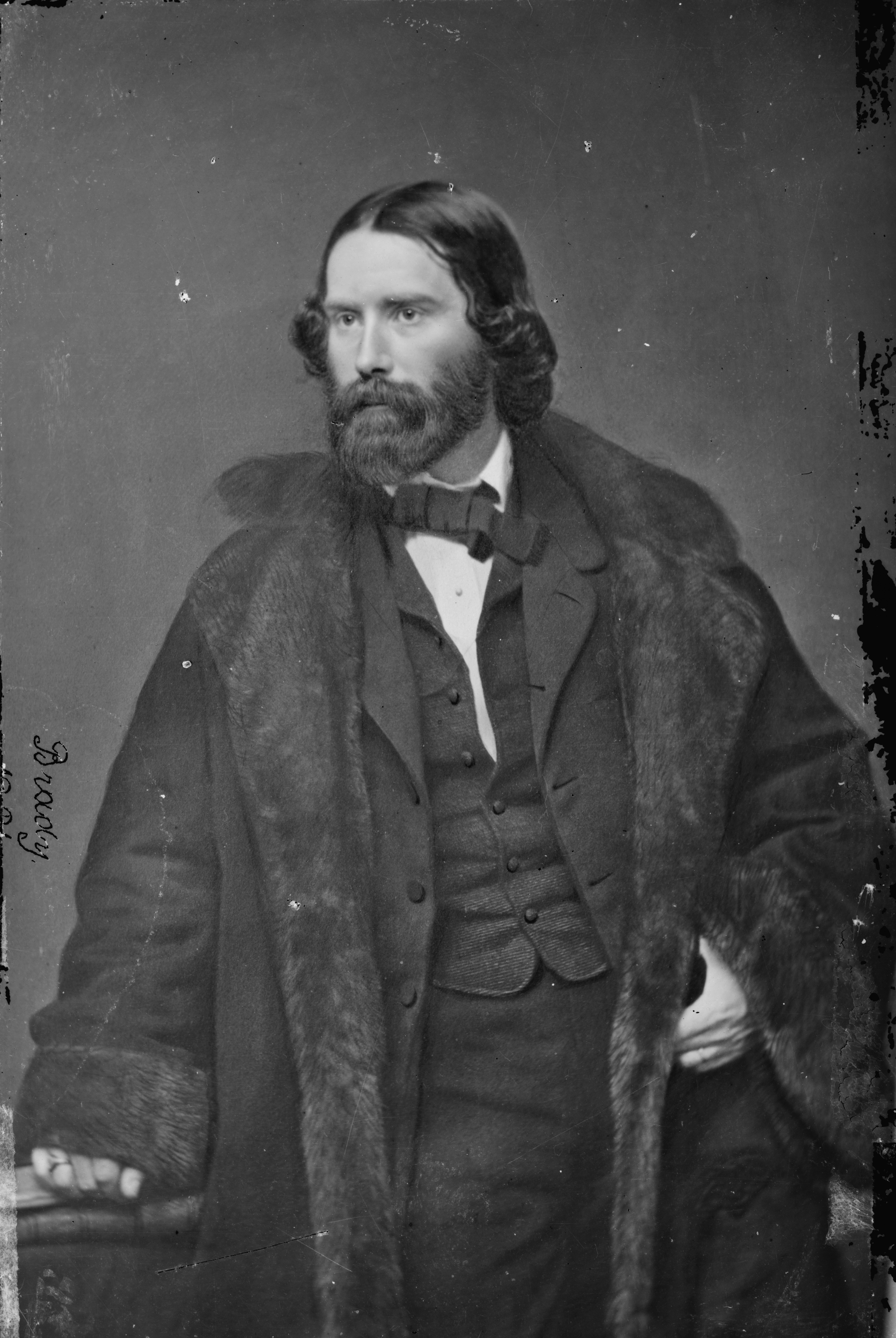
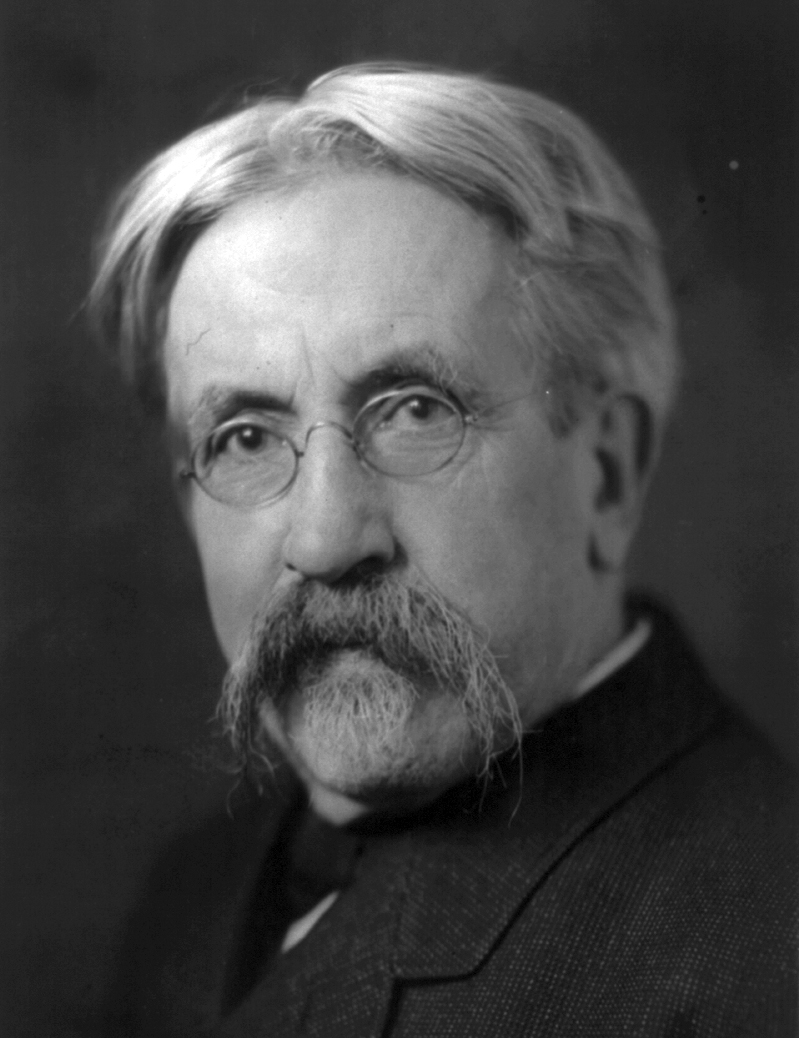
Link to this page
Add a free, dofollow link to Lex on your blog, forum, syllabus, or reading list.

<a href="https://lex-books.com/author/william-cullen-bryant"><img src="https://lex-books.com/badges/read-on-lex.svg" alt="William Cullen Bryant on Lex" width="160" height="40"></a>[](https://lex-books.com/author/william-cullen-bryant)[url=https://lex-books.com/author/william-cullen-bryant][img]https://lex-books.com/badges/read-on-lex.svg[/img][/url]William Cullen Bryant on Lex: https://lex-books.com/author/william-cullen-bryant