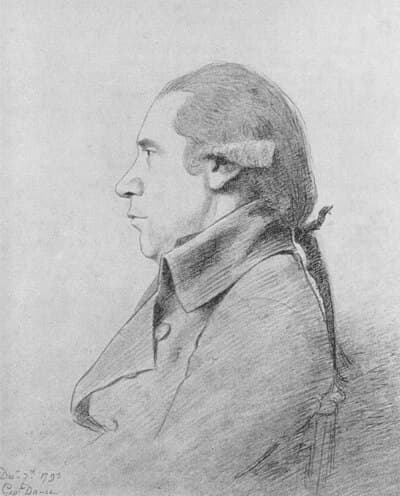
William Combe
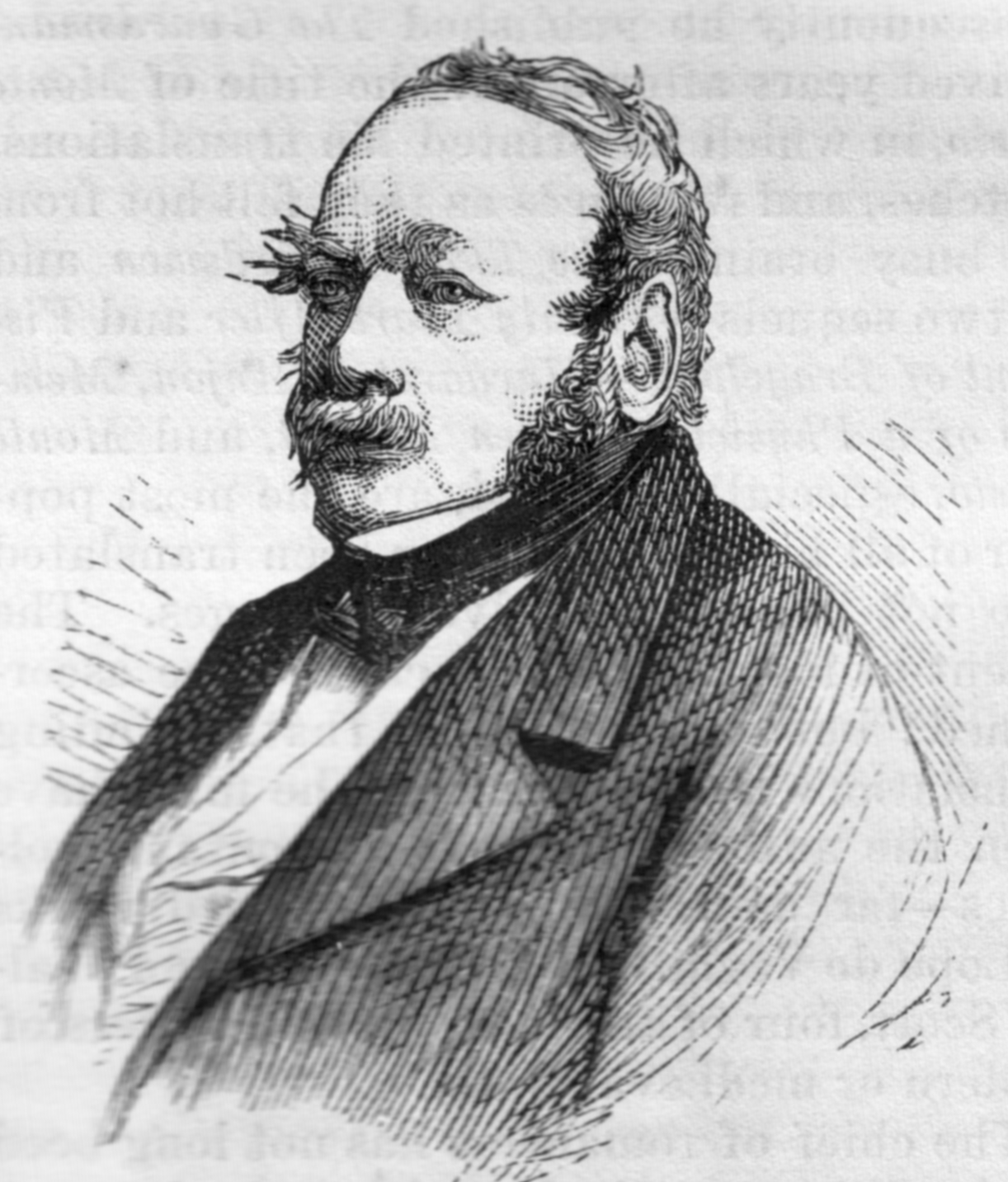
William Combe was a British miscellaneous writer known for his adventurous spirit and sharp wit. His early life was marked by a series of escapades, but he later spent much of his time within the confines of the King's Bench Prison. Combe's literary legacy is anchored by his most famous work, 'The Three Tours of Doctor Syntax,' a comic poem that cleverly satirized the travel writings of William Gilpin. Illustrated by Thomas Rowlandson, the poem's humorous portrayal of the titular character's misadventures made it a popular success and showcased Combe's talent for blending humor with social commentary. In addition to his celebrated comic poem, Combe produced a variety of other works, including a series of imaginary letters attributed to the second Lord Lyttelton and correspondence between Jonathan Swift and his beloved Stella. His contributions to illustrated books as a letterpress writer further exemplified his versatility as a writer. Despite his varied career, Combe is primarily remembered for his unique ability to capture the absurdities of human nature through satire, leaving a lasting impact on the genre of comic literature in the early 19th century.
Famous Quotes
View all 8 quotes“I myself was to experience how easily one is taken in by a lying and censored press and radio in a totalitarian state. Though unlike most Germans I had daily access to foreign newspapers, especially those of London, Paris and Zurich, which arrived the day after publication, and though I listened regularly to the BBC and other foreign broadcasts, my job necessitated the spending of many hours a day in combing the German press, checking the German radio, conferring with Nazi officials and going to party meetings. It was surprising and sometimes consternating to find that notwithstanding the opportunities I had to learn the facts and despite one’s inherent distrust of what one learned from Nazi sources, a steady diet over the years of falsifications and distortions made a certain impression on one’s mind and often misled it. No one who has not lived for years in a totalitarian land can possibly conceive how difficult it is to escape the dread consequences of a regime’s calculated and incessant propaganda. Often in a German home or office or sometimes in a casual conversation with a stranger in a restaurant, a beer hall, a café, I would meet with the most outlandish assertions from seemingly educated and intelligent persons. It was obvious that they were parroting some piece of nonsense they had heard on the radio or read in the newspapers. Sometimes one was tempted to say as much, but on such occasions one was met with such a stare of incredulity, such a shock of silence, as if one had blasphemed the Almighty, that one realized how useless it was even to try to make contact with a mind which had become warped and for whom the facts of life had become what Hitler and Goebbels, with their cynical disregard for truth, said they were.””
“The ship's surgeon was a spotty unshaven little man whose clothes, arrayed with smudges, drippings, and cigarette burns, were held about him by an extensive network of knotted string, The buttons down the front of those duck trousers had originally been made, with all of false economy's ingenious drear deception, of coated cardboard. After many launderings they persisted as a row of gray stumps posted along the gaping portals of his fly. Though a boutoniere sometimes appeared through some vacancy in his shirt-front, its petals, too, proved to be of paper, and he looked like the kind of man who scrapes foam from the top of a glass of beer with the spine of a dirty pocket comb, and cleans his nails at table with the tines of his salad fork, which things, indeed, he did. He diagnosed Camilla's difficulty as indigestion, and locked himself in his cabin. that was the morning.””
“He was really quite addicted to her face, and yet for the longest time he could not remember it at all, it being so much brighter than sunlight on a pool of water that he could only recall that blinding brightness; then after awhile, since she refused to give him her photograph, he began to practice looking away for a moment when he was still with her, striving to uphold in his inner vision what he had just seen (her pale, serious, smooth and slender face, oh, her dark hair, her dark hair), so that after immense effort he began to retain something of her likeness although the likeness was necessarily softened by his fallibility into a grainy, washed-out photograph of some bygone court beauty, the hair a solid mass of black except for parallel streaks of sunlight as distinct as the tines of a comb, the hand-tinted costume sweetly faded, the eyes looking sadly, gently through him, the entire image cob-webbed by a sheet of semitranslucent Thai paper whose white fibers twisted in the lacquered space between her and him like gorgeous worms; in other words, she remained eternally elsewhere.””
Books from the author



Link to this page
Add a free, dofollow link to Lex on your blog, forum, syllabus, or reading list.

<a href="https://lex-books.com/author/william-combe"><img src="https://lex-books.com/badges/read-on-lex.svg" alt="William Combe on Lex" width="160" height="40"></a>[](https://lex-books.com/author/william-combe)[url=https://lex-books.com/author/william-combe][img]https://lex-books.com/badges/read-on-lex.svg[/img][/url]William Combe on Lex: https://lex-books.com/author/william-combe