Thomas Stanley
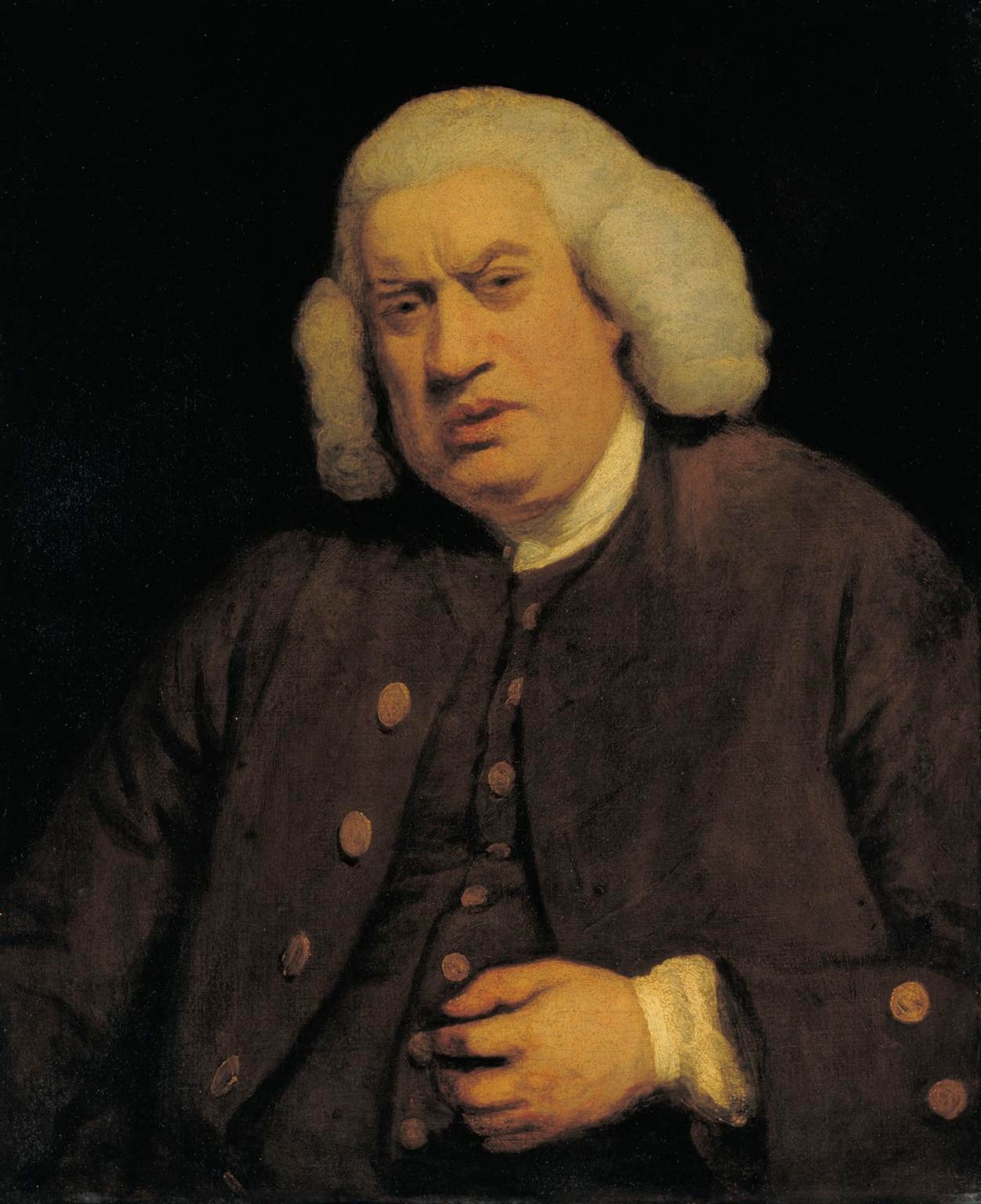
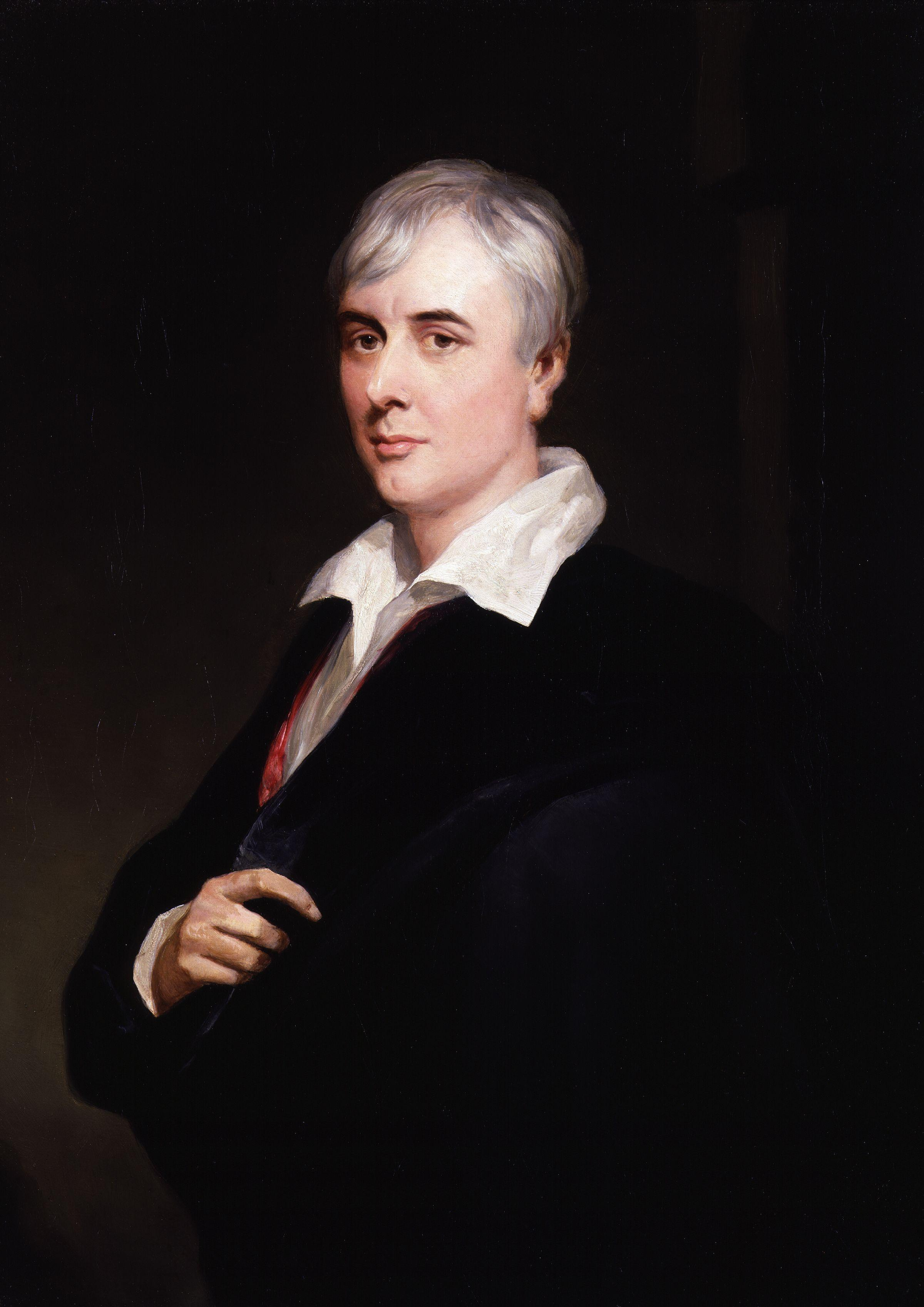
Thomas Stanley was an English poet, translator, and philosopher, known for his contributions to literature during the 17th century. Born in 1625, he was educated at St. John's College, Cambridge, where he developed a keen interest in classical literature and philosophy. Stanley's literary career was marked by his translations of classical works, most notably his translation of the 'Epictetus' and his collection of poems, 'The History of Philosophy', which showcased his deep engagement with philosophical ideas and his ability to render complex texts into accessible English. His translations not only made significant philosophical texts available to a wider audience but also reflected the intellectual currents of his time, bridging the gap between classical thought and contemporary discourse. In addition to his translations, Stanley's poetry often explored themes of love, nature, and the human condition, showcasing his lyrical prowess and philosophical insights. His work was influential among his contemporaries and later writers, contributing to the development of English literature in the post-Renaissance period. Stanley's legacy is marked by his role in popularizing philosophical thought through literature, and he remains a notable figure for his efforts to integrate classical philosophy into the English literary tradition. His death in 1678 marked the end of a career that left a lasting impact on both poetry and philosophical writing in England.
Famous Quotes
View all 3 quotes“Whatever your income, always live below your means.”
“I am not impressed with what people own. But I’m impressed with what they achieve. I’m proud to be a physician. Always strive to be the best in your field…. Don’t chase money. If you are the best in your field, money will find you.”
“Good health, longevity, happiness, a loving family, self-reliance, fine friends … if you [have] five, you’re a rich man….”
Books from the author




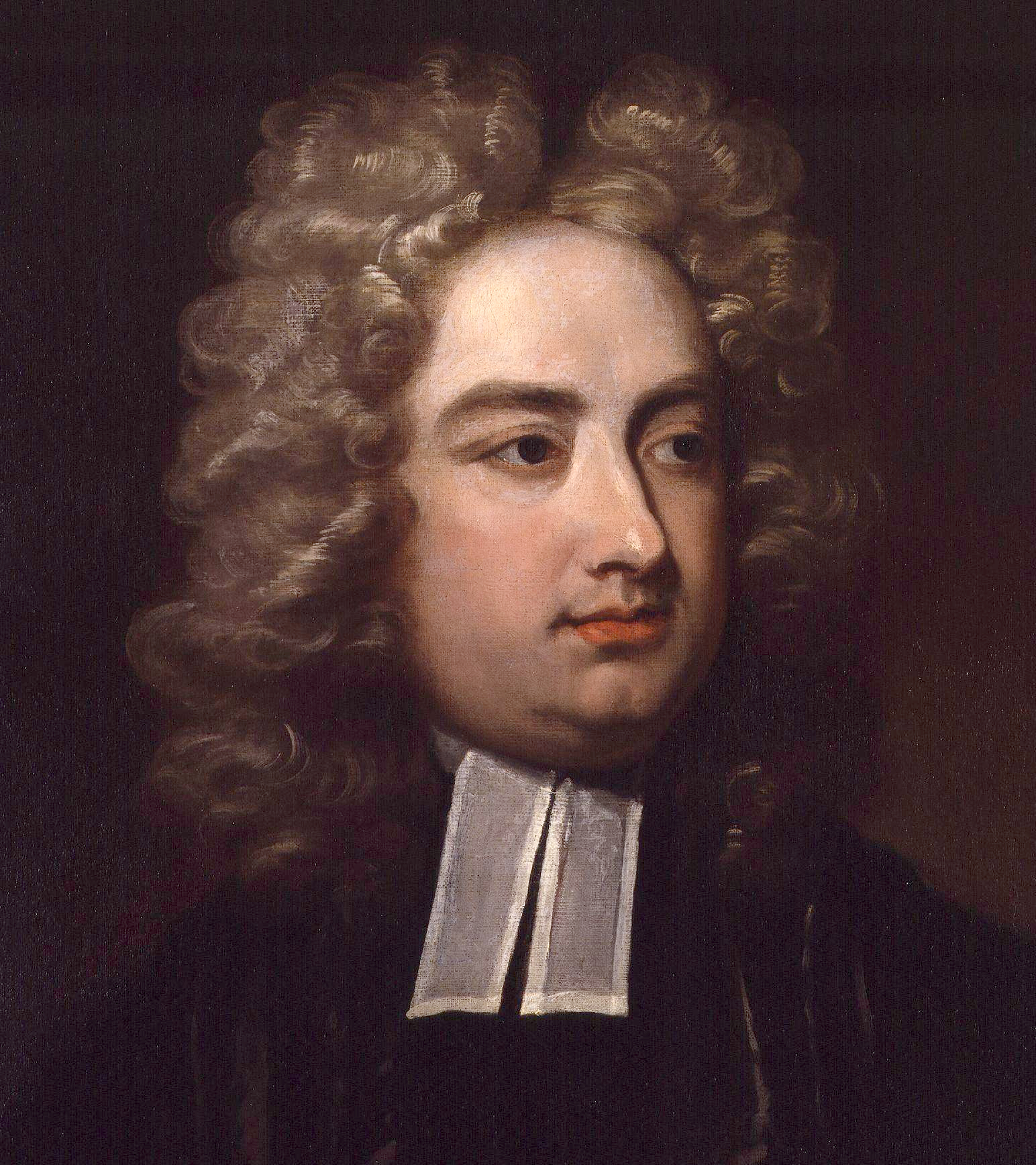
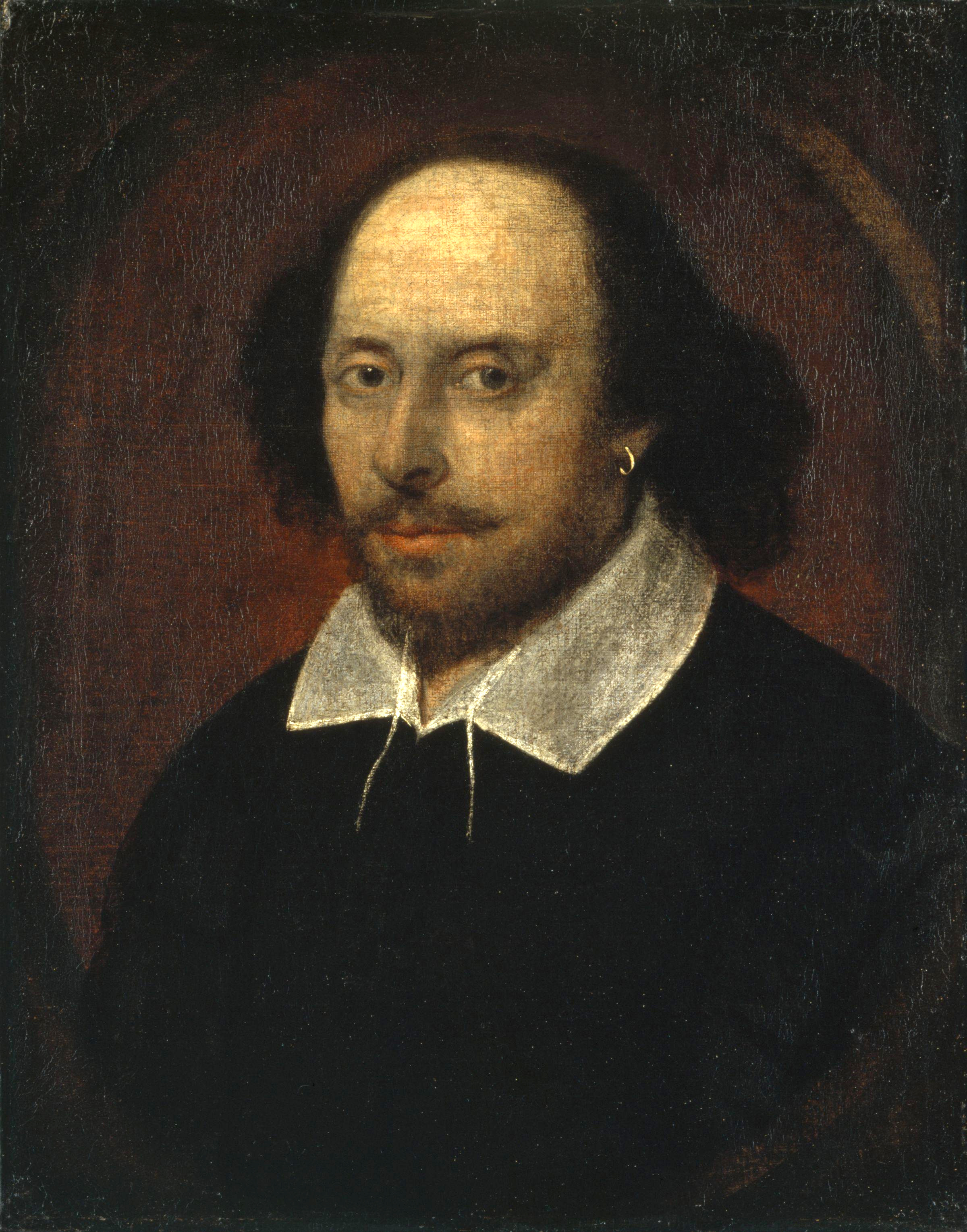
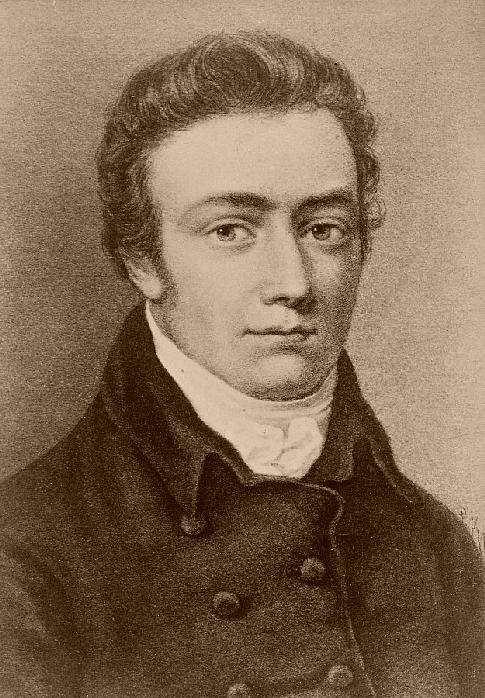


Link to this page
Add a free, dofollow link to Lex on your blog, forum, syllabus, or reading list.

<a href="https://lex-books.com/author/thomas-stanley"><img src="https://lex-books.com/badges/read-on-lex.svg" alt="Thomas Stanley on Lex" width="160" height="40"></a>[](https://lex-books.com/author/thomas-stanley)[url=https://lex-books.com/author/thomas-stanley][img]https://lex-books.com/badges/read-on-lex.svg[/img][/url]Thomas Stanley on Lex: https://lex-books.com/author/thomas-stanley