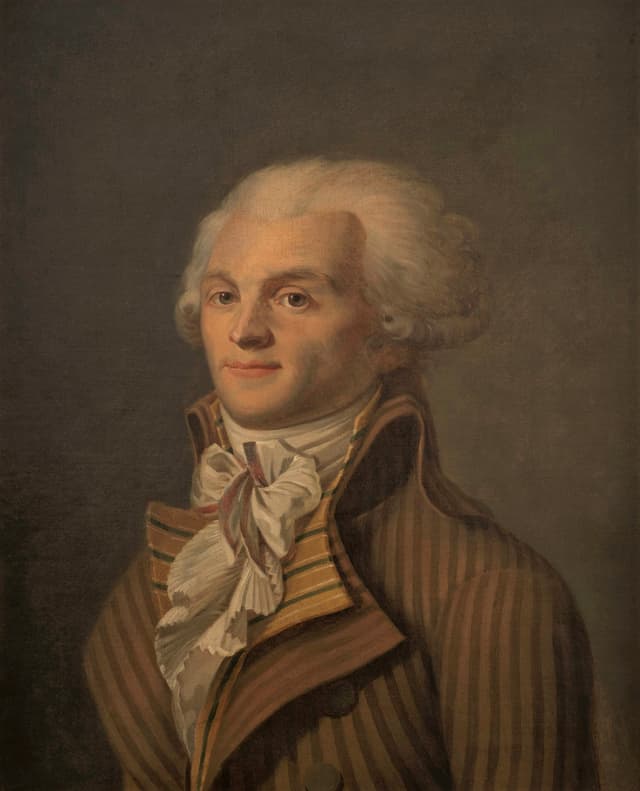
Maximilien Robespierre
Maximilien Robespierre was a prominent French lawyer and statesman, best known for his pivotal role in the French Revolution. A fervent advocate for democratic principles, he championed the rights of all men to vote and pushed for their inclusion in the National Guard. As a radical Jacobin leader, Robespierre was elected to the National Convention in 1792 and later became a key member of the Committee of Public Safety. His commitment to revolutionary ideals, however, led him to support the Reign of Terror, a period marked by extreme measures against perceived enemies of the revolution. This controversial stance ultimately alienated many of his fellow revolutionaries, culminating in his arrest and execution in 1794. Robespierre's legacy is complex and contentious. While he is often criticized for his role in the violence of the Reign of Terror, he is also recognized for his progressive views on human rights and governance during a time of great upheaval. His advocacy for the abolition of the Atlantic slave trade and the right to bear arms in self-defense reflects a commitment to principles that were ahead of his time. Today, Robespierre remains a polarizing figure, with ongoing debates about his contributions to revolutionary thought and the moral implications of his actions during one of history's most tumultuous periods.
Famous Quotes
View all 3 quotes“The secret of freedom lies in educating people, whereas the secret of tyranny is in keeping them ignorant.”
“To punish the oppressors of humanity is clemency; to forgive them is cruelty.”
“Peoples do not judge in the same way as courts of law; they do not hand down sentences, they throw thunderbolts; they do not condemn kings, they drop them back into the void; and this justice is worth just as much as that of the courts.”
Books from the author






Link to this page
Add a free, dofollow link to Lex on your blog, forum, syllabus, or reading list.

<a href="https://lex-books.com/author/maximilien-robespierre"><img src="https://lex-books.com/badges/read-on-lex.svg" alt="Maximilien Robespierre on Lex" width="160" height="40"></a>[](https://lex-books.com/author/maximilien-robespierre)[url=https://lex-books.com/author/maximilien-robespierre][img]https://lex-books.com/badges/read-on-lex.svg[/img][/url]Maximilien Robespierre on Lex: https://lex-books.com/author/maximilien-robespierre